
Table of Contents
Welcome to Cuenca: a quick orientation
Cuenca is one of Ecuador’s most charming cities: a UNESCO-listed historic center, church spires that define the skyline, and a laid-back pace that attracts both short-term visitors and long-term expats. Before you arrive, it helps to know a few practical things: Cuenca sits high in the Andes at about 2,560 meters (8,400 feet), uses the US dollar, and has a mild, spring-like climate year-round. This guide gives first-time visitors clear, actionable advice to get the most out of their stay.
Arrival and getting around
Flying in and public transport
The Mariscal Lamar Airport (CUE) is Cuenca’s gateway; it handles domestic flights and some regional connections. If you’re flying into Quito or Guayaquil, frequent domestic flights or comfortable long-distance buses connect those cities with Cuenca. Buses from Guayaquil run about 3–4 hours; expect longer rides to and from Quito depending on traffic and stops.
Within the city you can choose between buses, taxis, and ride-hailing apps. Local buses are cheap and extensive—perfect for budget travelers—but they can be confusing at first. Taxis are inexpensive compared to North America and Europe. Many drivers accept cash only; for peace of mind, agree on a fare before you get in if there’s no meter or use the Uber app, which works in Cuenca and often gives fixed prices.
Where to stay: neighborhoods and what to expect
Cuenca’s center—which clusters around Parque Calderón—is the best choice for a first-timer. You’ll be within walking distance of the New Cathedral, museums, markets, and countless restaurants. For quieter evenings while still being close to amenities, look at areas along the Yanuncay River or near the Turi viewpoint. If you plan to cook or stay long-term, residential neighborhoods outside the historic core usually offer larger apartments and lower nightly rates.
Keep in mind that historic-center hotels are often in older buildings with charming quirks—narrow staircases, uneven floors, and thin walls. If you’re noise-sensitive, ask for a room facing away from main plazas.
Weather and what to pack
Cuenca enjoys mild temperatures year-round—think cool mornings, comfortable afternoons, and chilly nights. Daytime highs often hover in the mid-teens to low-twenties Celsius (60s–70s °F), but the sun is strong because of the elevation.
Packing essentials: a lightweight waterproof jacket, a warm mid-layer (fleece or sweater), comfortable walking shoes with good grip for cobblestones, sun protection (hat, sunglasses, SPF 30+), and a reusable water bottle. If you’re visiting Cajas National Park or planning high-altitude day trips, add thermal layers and a windproof shell.
Altitude: what to expect and simple remedies
At 2,560 meters most visitors feel little more than mild shortness of breath when climbing stairs or doing intense activity. A handful of people experience headaches, disturbed sleep, or fatigue. To minimize discomfort: take it easy on your first day, stay hydrated, avoid heavy alcohol, and eat light meals.
Local remedies like coca tea (mate de coca) are widely used and legal in Ecuador; many visitors find it helps with mild altitude symptoms. Over-the-counter acetazolamide or prescription options are available—consult your doctor before travel if you have concerns or pre-existing conditions.
Money, tipping, and markets
Ecuador uses the US dollar, which simplifies budgeting. ATMs are common in the city center and banks are trustworthy. Smaller markets and street vendors may prefer cash, so keep small bills and coins for purchases, taxis, and tips.
Tipping is appreciated but not always mandatory. In many restaurants a 10% service charge is already included; if not, a 10% tip for good service is customary. Feel free to tip porters, housekeeping, and guides if service is helpful. When shopping at artisan markets like Mercado 9 de Octubre, bargaining is acceptable—start lower and meet somewhere in the middle, but do so respectfully.
Eating in Cuenca: what to try and where
Cuenca’s culinary scene blends traditional Andean flavors with contemporary influences. Don’t miss locro de papas (a hearty potato-and-cheese soup), hornado (slow-roasted pork), and ceviche on the coast-influenced menus. If you’re adventurous, try cuy (guinea pig), a traditional celebratory dish in the highlands.
Look out for menu del día—affordable lunchtime deals that usually include soup, a main course, drink, and dessert. Coffee lovers should sample locally roasted beans from the Azuay and Loja provinces. For snacks and vibrant local life, visit the central markets where fresh fruit, cheese, and baked goods are offered daily.
Top sights and easy day trips
Within the city
Start at Parque Calderón—the historic heart—home to the New Cathedral with its blue domes. Walk the cobbled streets, visit the Pumapungo Museum and Inca ruins, and stop at the flower and artisan markets. The Old Cathedral (Iglesia del Sagrario) and the surrounding plazas are wonderful for people-watching and photo ops.
For a sweeping panorama, head up to Mirador de Turi. It’s a short taxi ride from the center and offers the best views of the city at sunrise or sunset.
Day trips from Cuenca
- Cajas National Park: A high-mountain landscape dotted with glacial lakes, ideal for hiking and birdwatching. Bring layers and waterproofs—the weather changes quickly.
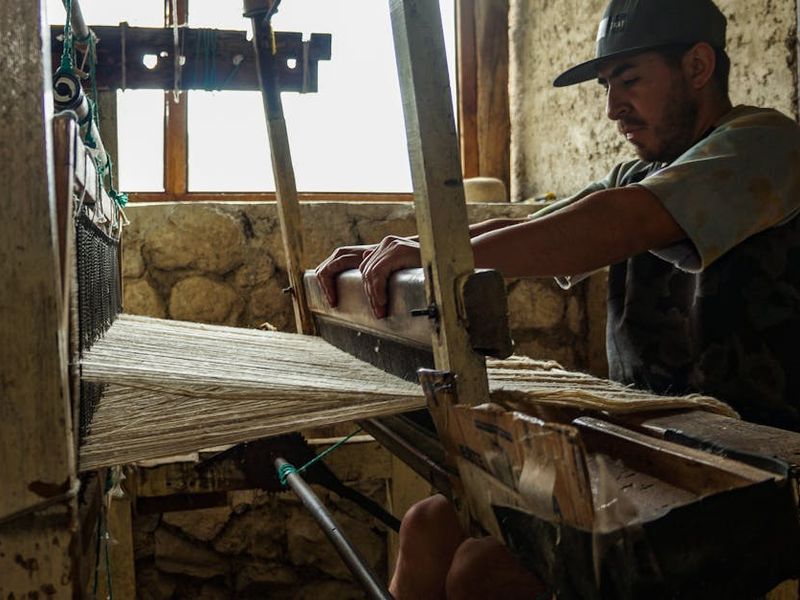
- Chordeleg and Gualaceo: Nearby towns known for jewelry (filigree silver) and woven goods—perfect for souvenir shopping and artisan demonstrations.
- Alausi and the Devil’s Nose Train: A dramatic railway experience that takes you along switchbacks and steep slopes. You can reach Alausí by bus and book the train from there.
Safety and smart precautions
Cuenca is considered one of the safest large cities in Ecuador, but petty crime like pickpocketing can occur—especially in crowded markets and bus terminals. Carry a day bag with secure closures, keep valuables out of sight, and avoid walking alone late at night in unfamiliar areas.
Emergency services in Ecuador are reachable via 911. For any major medical issue, private clinics in Cuenca provide professional care at far lower cost than in North America; still, travel insurance that covers medical evacuation is strongly recommended.
Connectivity: phones, Wi-Fi and staying online
Wi-Fi is widely available in hotels, cafes, and many restaurants. If you need reliable mobile data, buy a prepaid SIM from Claro or Movistar at the airport or downtown shops—bring your passport for registration. eSIM options are growing in popularity and can be a convenient alternative if your phone supports them.
Language and cultural tips
Spanish is the dominant language in Cuenca. You’ll find English spoken in hotels, tour companies, and among some younger people, but knowing basic Spanish phrases will make your trip smoother and more rewarding. Locals appreciate polite greetings: a handshake or a single cheek kiss in social situations is common.
Respect local customs: churches are active places of worship, so dress modestly when entering. When photographing people, especially in market or indigenous community settings, ask permission first and consider offering a small tip if you take many photos.
Health basics and pharmacies
Pharmacies are plentiful and many stock over-the-counter and prescription medicines. Bring any essential prescriptions with their generic names and a copy of the prescription in case you need a refill. Tap water in Cuenca is treated and many residents drink it, but if you prefer extra caution, use bottled water—particularly for brushing teeth during the first day or two as you acclimatize.
Vaccinations: make sure routine vaccines are up to date. Check current recommendations for Hepatitis A, Typhoid, and others depending on your itinerary and health profile.
Sample 3-day itinerary for first-timers
Day 1: Arrive, check in near Parque Calderón, wander the historic center, climb the cathedral towers, and enjoy a relaxed dinner at a local restaurant.
Day 2: Morning visit to Pumapungo and the Central Market; afternoon at the Turi viewpoint and nearby artisan shops; evening at a café listening to local musicians.
Day 3: Day trip to Cajas National Park for hiking and lakes, or visit Chordeleg and Gualaceo for artisan shopping; return to Cuenca for a farewell meal featuring local chocolate and coffee.
Practical final tips
- Carry a photocopy of your passport and keep the original in your hotel safe.
- Small bills are handy for taxis, tips, and market purchases.
- Plan outdoor activities for the morning when the weather is most stable.
- If you’re planning medical visits or long-term travel, research local clinics and expat community resources ahead of time.
- Be open to the pace of life—Cuenca is best enjoyed slowly, with time to savor the architecture, food, and friendly street scenes.
With a little planning and an open mind, a first trip to Cuenca can be relaxed, culturally rich, and full of pleasant surprises. Pack layers, carry small bills, learn a few Spanish phrases, and allow yourself to wander—the city rewards curiosity.