
Table of Contents
Why regular dental check-ups matter — and why they’re different when you live in Cuenca
Regular dental visits do more than keep your smile bright. Routine check-ups detect decay early, prevent gum disease, screen for oral cancer, and protect systemic health linked to inflammation. For expats in Cuenca, the stakes can feel a bit different: you may be managing a transition from another health system, juggling language barriers, and planning longer-term dental work while enjoying lower local costs. Understanding what to expect from dental services in Cuenca helps you stay healthy, save money, and avoid emergencies that ruin travel or settling plans.
How often should you visit the dentist?
The classic answer is every six months — a good baseline for most adults. But individual needs vary. Here’s a practical breakdown to help you decide what’s right for you:
- Low risk adults: Healthy gums, no active decay, and good hygiene can often follow a 6–12 month schedule.
- Higher risk adults: If you have gum disease, dry mouth, diabetes, a history of frequent cavities, or are a smoker, 3–4 month visits may be necessary to control disease progression.
- Children: Start dental visits by their first birthday or as soon as the first tooth erupts. Then every 6 months to monitor growth and apply preventive fluoride or sealants as needed.
- Seniors: Age-related changes, medications that reduce saliva, and root exposure mean seniors often need more frequent evaluations for root decay and denture maintenance.
When in doubt, ask your Cuenca dentist for a personalized recall schedule — their recommendation will be based on oral disease risk, X-ray findings, and periodontal status.
What happens at a typical dental check-up in Cuenca?
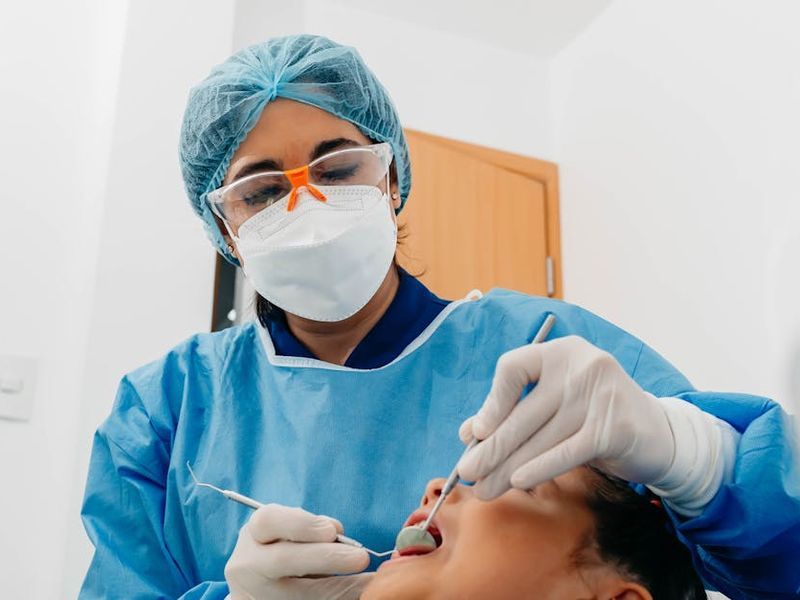
A standard visit usually includes a dental history update, an oral exam, cleaning, and X-rays if needed. Here’s a step-by-step outline of what to expect at a private clinic or university dental clinic in Cuenca:
- Medical and dental history review: Important to tell your dentist about chronic conditions, medications, allergies, and recent dental work from abroad.
- Soft tissue and oral cancer screening: Visual and manual inspection of lips, tongue, cheeks, and throat; recommended annually for most adults.
- Periodontal exam: Measurement of gum pocket depths to spot early gum disease (gingivitis or periodontitis).
- Professional cleaning (profilaxis): Scaling, polishing, and oral hygiene coaching. If deeper scaling is needed, the dentist may recommend root planing over multiple visits.
- X-rays: Bitewings or panoramic images are taken based on need — typically every 1–3 years or sooner if symptoms exist.
- Treatment planning: If decay or other issues are found, the dentist will offer options, timelines, and approximate costs.
Where to get dental care in Cuenca: public, private, and university clinics
Cuenca offers a range of options — each has pros and cons:
- Private clinics: Many expats prefer private clinics for shorter wait times, English-speaking staff, modern equipment, and a wider range of services (implants, cosmetic dentistry, sedation). Expect friendly clinics in central areas near the Historic Center and the medical corridor.
- University dental clinics: Universities like Universidad de Cuenca and Universidad del Azuay often run teaching clinics where dental students provide care under faculty supervision. Costs are usually lower, but appointments may be longer and scheduling more structured.
- Public health services: If you’re a contributor to Ecuador’s IESS system, you can access dental care through the institute’s services. This option tends to have lower out-of-pocket costs but may involve longer waits or limited specialty care.
Choosing between them depends on your budget, timeline, and the complexity of required treatment.
Typical costs in Cuenca — what to expect
Cuenca uses the U.S. dollar, which makes price comparisons easy for North American expats. Costs vary by clinic quality, materials, and the clinician’s experience. Approximate price ranges (USD) are:
- Routine exam and cleaning: $20–$60
- Filling (composite): $30–$120
- Root canal (anterior to molar): $100–$400
- Crown (porcelain/metal or full ceramic): $250–$700
- Dental implant (implant + crown): $1,000–$2,500 per tooth
These are general ranges — always request a written estimate and ask whether radiographs, local anesthesia, lab fees, and follow-ups are included. Comparing 2–3 clinics is a smart move, especially for larger procedures.
How to choose a dentist in Cuenca: practical tips for expats
Finding the right dentist is about clinical skill and clear communication. Use these tips to choose confidently:
- Check credentials: Ask which university the dentist graduated from, whether they belong to the Colegio de Odontólogos del Azuay (local dental association), and if they offer continuing education.
- Read reviews and get referrals: Local expat groups on Facebook and Google Maps reviews are invaluable for real-world experiences. Look for before/after photos for procedures like implants or veneers.
- Ask about language: If your Spanish is limited, ask whether the staff or dentist speaks English — many clinics catering to expats do.
- Visit the clinic first: A quick tour can reveal hygiene standards, equipment (digital X-rays, intraoral cameras), and the general atmosphere.
- Get a second opinion for big work: For expensive treatments like full-mouth reconstructions or multiple implants, ask for a second opinion and compare treatment plans.
Questions to ask during your appointment
Be prepared with a checklist to get the most from your visit:
- What is my risk for cavities and gum disease?
- How often should I have X-rays and cleanings?
- What are my treatment options and their pros/cons?
- Are there less invasive or lower-cost alternatives?
- What warranties or follow-up care come with restorative work?
- How do you handle emergencies after hours?
Emergency dental care in Cuenca — what to do
Dental emergencies happen. In Cuenca, many private clinics offer emergency slots or can refer you to a dentist on call. Here’s how to prepare:
- Keep a local dentist’s emergency number saved in your phone.
- If you’re an IESS member, verify emergency dental coverage and nearby urgent-care providers.
- For lost crowns or sudden pain, call your dentist quickly — many will offer temporary fixes the same day.
- Carry a small emergency kit: gauze, dental wax, ibuprofen (if not contraindicated), and a container to transport a lost tooth in milk or saliva if avulsion occurs.
Prevention between visits: simple habits that make a big difference
Routine habits are often more important than any single dental visit. Consider these practical, locally relevant tips:
- Brush twice daily with fluoride toothpaste and a soft brush; replace the brush every 3 months or sooner.
- Floss once daily — interdental brushes work well if you have bigger gaps or bridges.
- Use a mouthwash with fluoride if recommended by your dentist.
- Watch sugary drinks: Ecuadorian fruit juices and sweetened beverages are delicious but increase cavity risk. Rinse or drink water afterwards.
- Stay hydrated — Cuenca’s mild climate is comfortable, but some medications can cause dry mouth, increasing decay risk.
- Quit smoking — tobacco dramatically increases gum disease risk and oral cancer.
Pediatric and senior dental care in Cuenca
Families and older adults have specific needs to address:
- Children: Pediatric dentists and family dentists in Cuenca are used to treating kids. Ask about fluoride varnish, sealants, and habit counseling (thumb-sucking, bottle use). Schools sometimes partner with clinics for preventive programs.
- Seniors: Denture care, management of dry mouth from medications, and close monitoring for root caries become priorities. Many dentists can coordinate with GPs or geriatric services if complex health issues are present.
Insurance, payments, and record-keeping
Practical money and paperwork tips make navigating dental care easier:
- Payments: Many private clinics accept cash (USD), cards, and even bank transfers. Always ask if they accept international credit cards and whether a deposit is required for major work.
- Insurance: IESS covers contributors but scope varies; private international or travel insurance sometimes covers emergency dental care. Read your policy carefully and ask clinics if they can supply invoices for insurance claims.
- Bring records: If you’re newly arrived, bring past dental X-rays, charts, and appliance details from your home country. This speeds up diagnosis and avoids unnecessary repeat imaging.
Dental tourism considerations: combining care and travel
Cuenca is a popular base for expats who take advantage of lower costs for extensive dental work. If you’re planning multi-visit procedures, factor in:
- Realistic timelines — implants, crowns, and full-mouth restorations often require several visits over months.
- Healing time — some procedures need weeks or months for tissues to heal before the next step.
- Follow-up care — ensure the dentist provides clear aftercare instructions and local follow-up if you plan to leave the country between stages.
- Documentation — request detailed records, photos, and models to take home for continuity if you return to care abroad later.
Final checklist for your next Cuenca dental visit
- Bring ID and any insurance cards (IESS or private).
- Bring dental records, photos, or prior X-rays if available.
- List your current medications and allergies.
- Prepare questions about costs, timelines, and follow-up care.
- Confirm language support if needed.
- Save emergency contact details and clinic hours.
Wrapping up: make dental care part of your Cuenca routine
Regular dental check-ups protect more than your teeth — they safeguard overall health and quality of life. In Cuenca, you’ll find a range of competent dental services that can meet routine and complex needs at significantly lower prices than many home countries. By scheduling appropriate recall visits, choosing a trusted dentist, and practicing daily preventive habits, you’ll avoid costly emergencies and enjoy life in Cuenca with one less worry.
Whether you’re new to the city or have been here for years, treat dental care as an essential part of your expat checklist. Book an exam, get a clear plan, and keep your smile healthy while you make the most of living in this beautiful Andean city.