
Table of Contents
Introduction: Dental Care Matters — Especially When You’re Abroad
Living in Cuenca brings many lifestyle perks for expatriates: charming colonial streets, excellent healthcare, and a slower pace. What too many newcomers overlook is how routine dental care keeps you healthy and avoids expensive emergency trips. This guide explains when to schedule check-ups, why prevention pays off, and how to navigate the local dental scene in Cuenca.
How Often Should You See a Dentist?
The standard recommendation is a professional dental check-up and cleaning every six months. That frequency is a useful baseline for most healthy adults.
However, individual needs vary. People with gum disease, those undergoing orthodontic treatment, heavy smokers, pregnant women, or people with conditions like diabetes may need visits every three to four months. Your dentist will advise a personalized schedule based on gum health, cavity risk, and other factors.
Special timing considerations for expats
If you’re new in Cuenca, book an initial comprehensive exam soon after arrival. If you plan dental work that requires multiple visits, build time into your travel plans—especially if you’ll be traveling back to your home country intermittently. For those combining dental care with travel, scheduling early allows for proper healing before any long flights.
What Happens at a Routine Check-Up in Cuenca
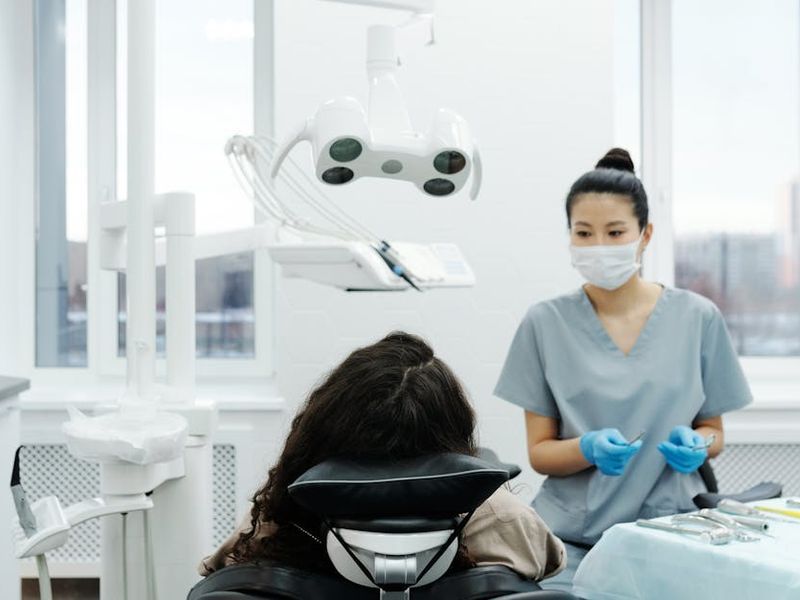
A typical visit includes a visual exam, professional cleaning (prophylaxis), digital X-rays if needed, and periodontal assessment for gum disease. Many modern Cuenca clinics also offer intraoral photos and computerized charts. Expect the dentist or hygienist to check for cavities, plaque buildup, gum pockets, and oral cancer symptoms.
At the end of the visit you should receive a clear treatment plan with options, estimated costs, and suggested timing. Always ask for the plan in writing—this helps when comparing clinics or discussing with family back home.
Preventive Benefits: Why Six-Month Visits Matter
Regular dental visits catch small problems before they balloon into big ones. Early detection of cavities avoids root canals and extractions; gum disease caught at an early stage can often be reversed with improved hygiene and professional cleanings. Routine exams also include oral cancer screening — a quick but important step, especially for smokers and older adults.
Another often-overlooked advantage is the link between oral health and overall health. Poor oral hygiene is associated with higher risks of cardiovascular disease, complications in diabetes, and adverse pregnancy outcomes. For expats managing chronic diseases, keeping up with dental care is a key part of broader health maintenance.
Cuenca’s Dental Landscape: Quality, Language, and Accessibility
Cuenca has a well-developed private dental sector with modern clinics in neighborhoods popular with expats such as El Centro Histórico, El Vergel, and around Avenida de las Américas. Many practitioners trained abroad or completed fellowships and are familiar with international standards.
English-speaking dentists and staff are common in expat-oriented clinics, but Spanish remains the working language in many offices. Before booking, confirm whether the dentist speaks English or that translation can be arranged. Expats often find reputable providers through local expat groups, Facebook communities, and recommendations from fellow residents.
Public options and insurance
If you’re enrolled in Ecuador’s social security system (IESS), some dental services are available, usually at reduced cost, but the scope and wait times differ from private care. Private dental insurance can help with costs but read policy details carefully — many plans have waiting periods or limited coverage for major procedures.
Costs and Value: What to Expect in Cuenca
One big advantage of dental care in Cuenca is cost: routine services and elective dental work are often far less expensive than in the U.S. or Canada while maintaining high standards. Prices do vary widely by clinic, materials used, and the dentist’s experience.
As a general approach, obtain written estimates and compare a few clinics. Look for transparency on materials (e.g., type of crown or implant system) and lab work. Sometimes a cheaper upfront price can mean more visits or lower-quality materials; balance cost with reputation and warranties offered by the clinic.
How to Choose a Dentist in Cuenca: A Practical Checklist
- Read reviews and ask for references from other expats.
- Confirm language capabilities — will treatment consent forms and estimates be provided in English if needed?
- Visit the clinic beforehand to inspect hygiene and equipment (digital X-rays, sterilization area).
- Ask about training, certifications, and whether the dentist participates in continuing education.
- Request a written treatment plan and estimate before starting work.
- Check payment methods: many clinics accept cash (USD), debit/credit cards, and sometimes bank transfers.
Emergency Dental Care in Cuenca: When to Go Now
Know when a dental problem is an emergency: severe, uncontrolled pain; facial swelling that affects breathing or swallowing; knocked-out permanent teeth; and significant bleeding that won’t stop. These situations require prompt attention — many dentists reserve emergency slots or can recommend a colleague available after hours.
For less severe issues — a loose crown, a minor chip, or mild pain — call your dentist early in the day to get an appointment within 24–48 hours. Don’t ignore persistent symptoms; what starts as a small discomfort can rapidly become more complex and costly.
Preparing for Major Dental Work: Implants, Crowns, and Cosmetic Procedures
If you plan major dental work, prepare by collecting any existing dental records and X-rays from previous dentists. Bring a short medical history, list of medications, and your passport or residency ID for clinic records. Discuss sedation options, follow-up visits, and possible complications before committing.
Many expats opt for phased treatment: complete necessary restorative care, then schedule cosmetic procedures. This staged approach minimizes disruption and allows for recovery time between procedures. If traveling for treatment from outside Cuenca, coordinate lodging and aftercare; many clinics will recommend nearby hotels or guesthouses.
Daily Habits That Support Your Dental Visits
Good daily habits reduce the frequency and complexity of dental treatments. Brush twice daily with fluoride toothpaste, floss daily, and consider a soft-pick or interdental brush for tight spaces. Avoid frequent snacking on sugary foods and acidic drinks, which erode enamel and feed cavity-causing bacteria.
For expats adjusting to a new diet in Ecuador — fruit juices, panela, and local sweets are tasty but can increase cavity risk — maintain consistent brushing and carry sugar-free gum with xylitol when a brush isn’t available.
Practical Tips for Newcomers in Cuenca
- Book your first dental check-up within the first few months of arrival.
- Join local expat groups to get current recommendations and learn about popular bilingual clinics.
- Keep an emergency dental fund — even affordable systems can add up for implants or bridgework.
- Bring a copy of your dental records when you relocate; digital formats are increasingly accepted.
- Confirm appointment logistics: many clinics send reminders via WhatsApp, so have a local SIM or a reliable messaging plan.
Final Thoughts: Prevention Pays Off
For Cuenca expats, maintaining regular dental check-ups is both practical and cost-effective. Staying proactive prevents pain, protects systemic health, and often saves money over time. With good local options, English-speaking staff available, and the convenience of USD currency, Cuenca makes it straightforward to keep your smile — and your health — on track.
When in doubt, schedule that appointment. A quick check-up now can prevent a painful emergency later, and keeping an organized dental plan is one of the smartest moves you can make while enjoying life in Cuenca.