
Table of Contents
Why Cuenca is a Top Choice for Dental Travel
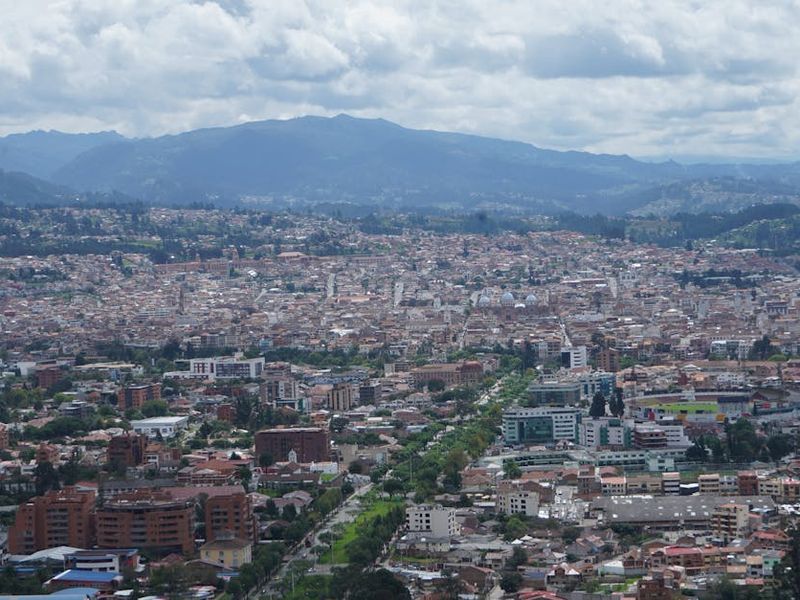
Cuenca, Ecuador has become a magnet for dental travelers and long-term expats thanks to its high-quality clinics, lower prices, and a relaxed, walkable city center. The city’s pleasant climate, UNESCO-listed Centro Histórico, and a large international community make it easy to combine medical appointments with comfortable recovery time. But like any medical trip, success depends on smart planning. This guide walks you through everything you need to know to plan a safe, efficient, and comfortable dental vacation in Cuenca.
Start With Research: Credentials, Reviews, and Communication
Before booking anything, do thorough research on potential clinics. Key things to check:
- Licensing: Ask for the dentist’s license and verify it with the Colegio de Odontólogos (Ecuador’s national dentists’ association) or the local provincial office—this helps ensure they meet national standards.
- Sterilization standards: Confirm they use autoclaves, single-use disposables for needles and gloves, and have visible infection control protocols.
- Before-and-after photos: Request case photos for procedures similar to yours and ask about long-term results and complications.
- Patient reviews: Read independent reviews on forums, Google, and expat community groups—look for patterns rather than single glowing or negative comments.
- Language: Make sure you can communicate—many dentists in Cuenca speak English, but if not, plan for a translator or use a bilingual coordinator.
What Procedures People Travel for — Realistic Expectations
Popular dental procedures in Cuenca include crowns, veneers, implants, root canals, and full-mouth rehabilitations. Basic cleanings and fillings are inexpensive and quick, whereas implant work or bone grafting can require multiple visits spaced over months. Be realistic about timelines: while crowns and veneers can sometimes be completed in days (especially when clinics use CAD/CAM systems), implants often need healing time before prosthetic placement.
Typical Timeline Examples
- Consultation + simple filling or cleaning: 1–2 days.
- Single crown (with in-house milling/CEREC): 1–3 days.
- Implant placement: initial surgery visit, then 3–6 months healing, final crown placement on a follow-up visit or local dentist coordination.
- Full-mouth rehabilitation: several staged visits over weeks to months.
Money Matters: Pricing, Payments, and What’s Included
Dental care in Cuenca typically costs a fraction of comparable care in North America or Europe, but prices vary by clinic, materials, and the dentist’s experience. When you request a quote, ask for a detailed breakdown: procedure cost, implant fixture vs. abutment vs. crown, lab fees, anesthesia, X-rays, and follow-up visits. Also ask about warranty policies—many reputable clinics offer limited guarantees on restorations.
Payment options differ. Many clinics accept cash, major credit cards, and bank transfers. International wire transfers are common for large treatments. Make sure your quote states whether local taxes or lab surge charges might be added later.
Booking Your Trip: Timing, Flights, and Accommodation
Cuenca’s Mariscal Lamar International Airport (CUE) has regional flights often connecting through Quito or Guayaquil. For international travelers, plan for at least 1–2 extra buffer days on either end of your treatment to account for complications or recovery. Peak tourist seasons (holidays and northern-winter months) can raise hotel rates, so book lodging early.
Where to Stay
Choose accommodation close to the Centro Histórico near Parque Calderón or along the Tomebamba River for easy access to many clinics, restaurants, and pharmacies. Staying central offers walkable cobblestoned streets, plenty of cafés, and more straightforward transport back if you experience post-op tenderness. Consider apartments with a small kitchen for soft-food meals post-procedure.
Practical Day-of-Appointment Tips
On the day of your appointment, bring:
- All medical and dental records, including recent X-rays or scans (digital files are ideal).
- Your passport and contact information for your accommodation.
- An itemized written treatment plan with dates, costs, and a consent form in your language if possible.
- Any medications you take regularly, and a list of allergies.
If you’re sedated or given IV medications, arrange for a taxi or pre-booked transfer—don’t plan to drive. Many clinics offer transportation or can recommend reliable drivers familiar with patient care pickup and drop-off.
Recovering in Cuenca: Comfort, Altitude, and Aftercare
Cuenca sits at about 2,560 meters (approximately 8,400 feet) above sea level. While most visitors acclimate quickly, consider these factors for dental recovery:
- Hydration: High-altitude air is drier, so stay well hydrated to help healing.
- Activity: Take it easy for 24–72 hours following extractions or implant placement—avoid strenuous hikes right away.
- Diet: Stock up on soft foods—yogurt, soups, mashed potatoes, smoothies, and local fresh fruit are easy to find in Cuenca markets.
- Follow-up: Schedule an in-person post-op check before leaving the country, or ensure your dentist provides clear remote follow-up instructions and emergency contact information.
Where to Get Supplies and Emergency Care
Cuenca has numerous pharmacies open late and medical centers capable of handling emergencies. Ask your dental clinic about nearby emergency rooms and confirm whether your dentist has an on-call system for urgent post-op questions. Keep the clinic’s number and a local taxi service handy. For prescriptions, pharmacies will typically fill antibiotics and pain meds with a prescription from your dentist.
Communication: Language, Translators, and Consent
While many dental teams in Cuenca speak English—especially those who work with international patients—do not assume that all staff will. If you’re not fluent in Spanish, request an English-speaking coordinator for your appointments or hire a professional translator for complex consultations. Ensure you receive a written consent form in a language you understand before major procedures.
Choosing Between a Facilitator and Booking Directly
Medical facilitators or agencies can coordinate appointments, transfers, accommodation, and translators. They can save time and reduce stress, but they add a middleman. If you prefer to book directly, use expat community groups, verified clinic websites, and video consultations to vet providers. Whichever route you choose, prioritize transparent communication and written agreements.
Safety Checklist: Red Flags to Avoid
- Lack of visible sterilization equipment or refusal to explain protocols.
- Unwillingness to provide licensing information or references.
- Extremely low prices that seem too good to be true without an explanation of materials or lab quality.
- No written treatment plan, itemized cost estimate, or follow-up policy.
- Pushy sales tactics or pressure to do more work on the spot without time to consider options.
Combining Dental Care with Comfortable Tourism
One of the advantages of Cuenca is how easy it is to pair dental care with gentle sightseeing. Take restorative or recovery days to visit the charming plazas, the Pumapungo Museum, or stroll along the Tomebamba River. For nature-loving visitors, a day trip to Cajas National Park provides fresh air and scenic vistas—just avoid strenuous hikes right after surgery.
Long-Term Care: Coordinating With Your Local Dentist
For multi-stage procedures, make a plan for long-term maintenance. Get digital records, intraoral scans, and copies of prosthetic specifications (implant brand, size, and serial numbers) to share with your home dentist if you’ll be returning home between stages. A cooperative relationship between your Cuenca dentist and your local practitioner will smooth future maintenance or repairs.
Sample 7–10 Day Dental Vacation Itinerary
Here’s an example plan for a trip focused on crowns or a couple of implants:
- Day 1: Arrive in Cuenca, settle into accommodation near Centro Histórico, brief walk to orient yourself.
- Day 2: Initial consultation, panoramic x-ray, review treatment plan and pricing; book dates for procedures.
- Day 3: If crowns are planned and in-house milling is available, prepare teeth and have temporary prostheses placed.
- Day 4: Rest and light sightseeing—visit Parque Calderón or local markets.
- Day 5: Final crowns or follow-up adjustments; receive aftercare instructions and prescriptions.
- Day 6–8: Recovery days—light walking, soft foods, follow-up check if needed.
- Day 9–10: Final check, obtain all documentation and warranties, fly home.
For implants or complex reconstructions, plan for staggered visits over months and communicate with your dentist about interim options like temporary dentures.
Real Experiences: Tips From Expats and Repeat Visitors
Many expats in Cuenca emphasize the value of patience and clear communication. Bring a small binder or USB stick with your dental history and insist on written answers to major questions. People also advise getting a second opinion when recommended extensive or expensive treatments—good clinics expect and welcome this.
Final Checklist Before You Go
- Confirm appointments, transportation, and accommodation.
- Bring documentation: passport, medical records, allergy list, and a printed, itemized treatment plan.
- Have a financial plan—know accepted payment methods and whether deposits are refundable.
- Arrange for language help if needed and ensure you understand post-op care and emergency contacts.
- Plan rest days and low-impact activities for comfortable recovery.
Conclusion: Balance Careful Planning With the Joys of Cuenca
Dental travel to Cuenca can deliver excellent care at significant savings, but the best outcomes come from careful vetting, clear communication, and realistic expectations. Use the city’s supportive expat resources, choose clinics that demonstrate transparency and modern infection control, and plan your trip with recovery and follow-up in mind. With the right preparation, you can return home with high-quality dental work and a few extra days of enjoying Cuenca’s beautiful streets and warm community.