
Table of Contents
Introduction: Why Cuenca’s transport matters
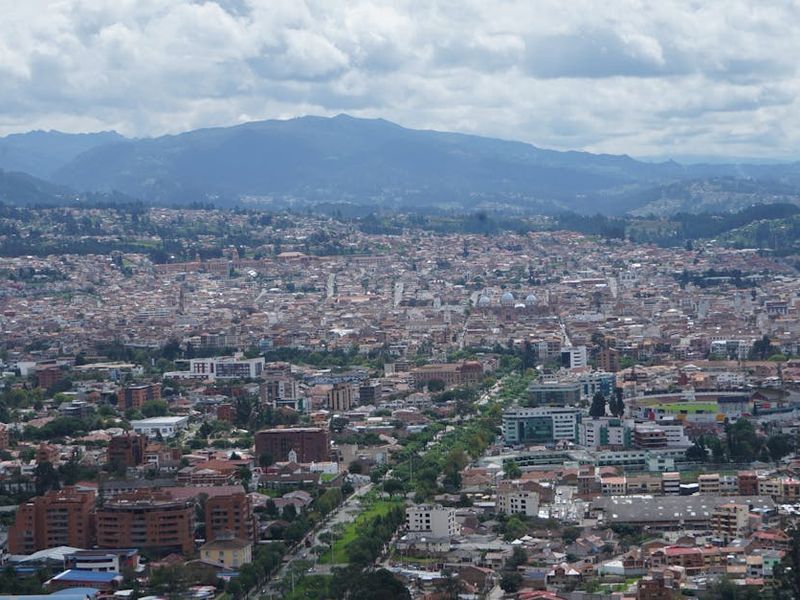
Cuenca’s compact historic center, sweeping Andean valleys and growing suburbs make transport one of the first things every newcomer and visitor needs to master. Whether you’re an expat settling in for the long run or a traveler with a few days to explore, understanding local options — from the modern tram to regional buses and taxis — will save time, money and stress.
Overview of transport modes in Cuenca
Cuenca offers a mix of public and private transport that caters to most needs: an urban tram system, a network of municipal buses serving neighborhoods, interprovincial (long-distance) coaches from the main terminal, taxis and ride-hailing apps, plus private shuttles and organized day trips to surrounding attractions like Cajas National Park and artisan towns.
The Tranvía (tram/light rail): fast and central
The Tranvía runs along a central corridor connecting key parts of the city and is a reliable backbone for getting into and out of the historic center. It’s useful for avoiding traffic congestion on busy arterial roads, especially during weekday rush hours.
How to use the tram
Look for elevated or street-level stations with clear signage. Boarding requires a valid ticket or contactless card — you can usually buy single-ride tickets at station kiosks or load a reusable card for multiple trips. Trams follow a predictable schedule but check posted times as frequency varies by time of day.
Practical tram tips
- Travel light during peak hours — trams fill quickly between 7–9am and 4–7pm.
- If you plan to commute regularly, ask about multi-ride or monthly pass discounts.
- Use the tram to access the core tourist areas; it stops near major plazas and museums, making it easier to walk the historic district without navigating narrow streets by car.
City buses: coverage, payment and etiquette
Buses form the most extensive network in Cuenca, reaching neighborhoods and suburbs that the tram does not. Routes are often named or numbered and usually display their destination on the front; if in doubt, ask the driver or a fellow passenger — locals are generally helpful.
Payment and fares
Buses typically accept cash for single fares and in many cases a rechargeable transport card for faster boarding. Exact fares fluctuate with municipal policies, so it’s best to carry some small change when traveling by bus. Keep your bag in front of you and be mindful of pickpockets in crowded vehicles.
Boarding and exits
Some buses require boarding at designated stops; others allow flagging down in their route areas. When you’re ready to get off, press the stop request button or pull the cord. If you’re unsure where to get off, say your destination when you board and the driver or passengers will often help.
Taxis and ride-hailing apps: convenience and tips
Taxis are plentiful in Cuenca and bright yellow cabs are easy to spot. Taxis are ideal for short hops, airport transfers and late-night travel. Ride-hailing apps like Uber and similar services operate in many Ecuadorian cities, including Cuenca, but availability can vary; it’s wise to have both app-based and street-taxi options.
Taxi etiquette and safety
- Negotiate the fare before starting the trip if the meter is not used — many short fares have informal, local price expectations.
- For airport rides or early trips, arrange a taxi through your hotel to ensure reliability.
- Prefer licensed cabs and use official taxi ranks when possible; share your route with someone via your phone if traveling alone at night.
Typical costs (approximate)
While exact fares change, expect short in-city rides to be economical. For longer or off-peak trips, request an estimate before you go. If using ride-hailing apps, compare both cash and app prices — surge pricing can apply during busy hours.
Intercity buses and the Terminal Terrestre
Cuenca’s main intercity bus terminal (Terminal Terrestre) is the hub for travel to other Ecuadorian cities like Quito, Guayaquil, Loja and Cuenca’s surrounding towns. Multiple companies run routes with varying comfort levels — from basic coaches to luxury buses with onboard restrooms and Wi-Fi.
Buying tickets and choosing a company
For popular routes, especially on weekends and holidays, it’s wise to buy tickets in advance either at the terminal ticket counters or online through company websites. Check schedules carefully: overnight buses can be a good value for long distances and save a night’s accommodation cost.
Luggage and boarding
Most intercity buses have separate luggage compartments where porters will handle your large bags (for a small tip). Keep essential items like medication, travel documents, electronics and a light jacket with you in the cabin. Arrive at the terminal early to avoid last-minute stress, and check the platform number for your bus.
Airport transfers: Mariscal Lamar International Airport (CUE)
Cuenca’s airport, Mariscal Lamar (CUE), lies in the nearby highlands and is a short drive from the city center. Public transport options to and from the airport are limited; many travelers prefer pre-arranged taxis, private shuttles, or hotel transfers for convenience and reliability.
Getting to the city from the airport
- Book a taxi at official airport stands or pre-arranged hotel shuttles for the smoothest experience.
- Expect the drive to take 30–45 minutes depending on traffic and your destination within the city.
- If you’re on a budget, ask about any shared shuttle services; these must be booked in advance.
Day trips and rural connections: buses, colectivos and tours
Cuenca is a gateway to beautiful nearby destinations. Artisan towns like Chordeleg and Gualaceo, and natural attractions like Cajas National Park, are accessible by a combination of local buses, colectivos (shared taxis) and private tours.
Cajas National Park
Cajas is a popular day trip for hiking, birding and highland scenery. While some public minibuses and local operators go near park entrances, many visitors prefer organized tours or private drivers because they include park information, guided hikes and comfortable pickup/drop-off in Cuenca.
Artisan towns and markets
Daily buses or colectivos connect Cuenca with nearby artisan villages. These are great for buying silverwork, textiles and ceramics. If you’re shopping for antiques or delicate items, carry a small tote and bring extra padding for fragile purchases.
Accessibility, safety and special considerations
Cuenca is relatively accessible compared to many Andean cities. Newer trams and many modern buses include low-floor boarding or ramps. However, some older buses and streets in the historic center have cobblestones and steep sidewalks; wheelchairs and strollers may need help navigating certain areas.
Safety tips
- Keep valuables out of sight and avoid displaying expensive electronics on crowded buses.
- Use reputable taxi stands or your hotel’s recommended drivers after dark.
- Always confirm fares for out-of-the-way destinations before you leave to avoid misunderstandings.
Practical tools: maps, apps and local info
Arm yourself with a few digital and analog tools to make getting around easier. Downloadable city maps, offline map apps and a local SIM or roaming data plan will help you read routes and estimate distances. Social media groups for Cuenca expats frequently share current info about strikes, route changes and local transit hacks.
Useful resources
- Official municipal transport websites for route maps and fare updates.
- Ride-hailing apps and local taxi apps for quick pickups.
- Community forums and local Facebook groups where collectors and riders share tips and last-minute changes.
Common questions from expats and newcomers
Is it easy to live in Cuenca without a car? Yes — for many residents the tram, bus network and occasional taxis make car-free life practical, especially if you live near the historic center. However, owning a car is helpful if you plan regular travel to remote mountain villages or prefer the flexibility for grocery runs and weekend trips.
How to save money on daily transport
Look for multi-ride passes if you commute regularly, combine walking with public transit for short distances, and use the tram to avoid long taxi rides into the center. For intercity travel, compare companies and book in advance to get the best fares.
Final tips for stress-free mobility in Cuenca
Give yourself extra time when traveling between appointments — traffic and narrow streets in the old town can slow you down. Learn a handful of Spanish phrases related to directions and stops; even minimal language skills make a big difference in buses and taxis. Finally, embrace walking: Cuenca’s plazas, parks and neighborhoods are highly walkable and often the fastest way to really get to know the city.
With a mix of modern transit, traditional buses and plenty of taxi options, getting around Cuenca is manageable for visitors and expats alike. Prioritize safety, keep a few transport options in your pocket, and don’t be afraid to ask locals for the quickest route — Cuencanos are used to helping newcomers explore their beautiful city.