
Table of Contents
Why Cuenca is a Must-Visit for Food Lovers
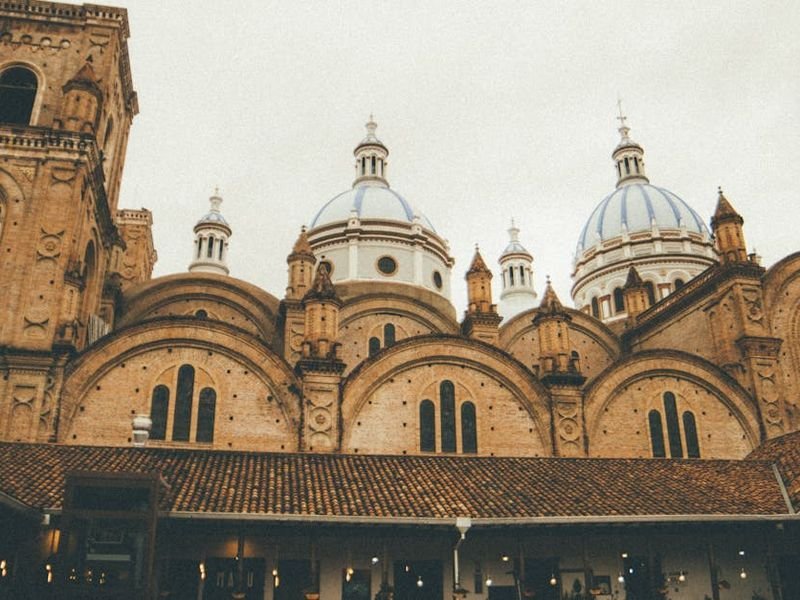
Cuenca, Ecuador’s charming highland city, is part colonial jewel, part modern creative hub — and entirely delicious. Settled at about 2,560 meters (8,400 feet), the city’s mild climate and rich agricultural surroundings feed a thriving food scene. From humble street stalls serving hearty soups to inventive kitchens putting modern spins on traditional recipes, Cuenca offers layers of flavor that reward slow exploration.
Understanding the Flavors: Traditional Dishes to Seek Out
To appreciate Cuenca’s dining, start with the classics. These dishes are pillars of local taste and are widely available in markets, family-run eateries, and fine restaurants alike:
- Mote pillo – a savory scrambled egg dish mixed with hominy (mote) and herbs, often served at breakfast.
- Hornado – slow-roasted pork with crispy skin, typically part of a lunch plate with mote, llapingachos (potato patties) and pickled onions.
- Fritada – bite-sized fried pork bites with corn, potatoes and plantain; rich and comforting.
- Cuy (guinea pig) – a traditional roasted delicacy at specialty restaurants and festive occasions.
- Locro de papa – a creamy potato and cheese soup that’s perfect for Cuenca’s cool evenings.
- Encebollado – while coastal in origin, this fish soup shows up in Cuenca and is a bright, tangy option for lunch.
Sweet Bites and Street Snacks
Don’t miss panaderías (bakeries) for fresh bread and pastries — try pan de yuca (cheesy yuca bread) and empanadas de viento (airy cheese empanadas). For dessert, look for local ice cream shops offering exotic fruit flavors like taxo and uvilla, and seek out kola de guayaba tarts and flan in traditional cafés.
Best Neighborhoods for Food Hunting
Cuenca’s best food experiences are spread across several compact neighborhoods, each with its own character.
Historic Center / Parque Calderón
The city’s heart is a great place to start. Around Parque Calderón and the cathedral you’ll find a mix of traditional eateries and newer bistros. Many bakeries and cafés here are ideal for people-watching while trying local coffee and simple lunches.
Calle Larga and the Tomebamba River
Calle Larga is known for its cafés, cocktail bars, and restaurants that favor contemporary takes on Ecuadorian cuisine. Walk along the riverbanks (Tomebamba) to find tucked-away patios and chef-driven menus that highlight local produce.
El Vergel and San Sebastián
These neighborhoods bring a neighborhood vibe with family-run spots and markets. You’ll often find the best-value menu del día (set lunch) here, and small eateries that have been feeding locals for decades.
Types of Places to Eat: From Markets to Fine Dining
Cuenca’s food scene ranges from quick market meals to multi-course tasting menus. Here’s how to choose depending on your mood and budget.
Markets and Food Stalls
Markets (mercados) are indispensable if you want authentic, inexpensive meals. Look for stalls serving steamy bowls of soup, platters of hornado, and freshly pressed juices. Plan to eat lunch here — it’s when markets bustle with workers and families sharing food.
Family-Run Fondas and Comedores
These are small, affordable restaurants where cooks prepare large pots of stew and plate hearty portions. The menu del día is a bargain: soup, main dish, a drink and sometimes dessert for a few dollars.
Modern Restaurants and Fusion Spots
In recent years a wave of chefs has encouraged experimentation, blending indigenous ingredients with modern techniques. Reservations are often wise at these places, especially on weekends.
Bakeries, Cafés, and Ice Cream Shops
Café culture is alive in Cuenca. Seek out specialty coffee shops where baristas roast local beans and bakeries offering panadería classics. For dessert, artisanal heladerías serve inventive flavors rooted in Ecuador’s fruit diversity.
Practical Tips for Eating Out in Cuenca
To make the most of your culinary exploration, keep these local customs and practicalities in mind:
- Lunch is the main meal: Many restaurants offer the best deals during midday with a menu del día. Expect lunch service to peak between 12:00–3:00 PM.
- Reserve for dinner: Popular modern restaurants and rooftop spots can fill up; reserve ahead, particularly Friday–Sunday.
- Cash is handy: Cards are accepted at many places, but small eateries and markets often prefer cash. Keep smaller bills and change available.
- Tipping: A 10% service charge may be included; if not, 5–10% is appreciated for good service.
- Altitude and spice: Cuenca’s altitude can influence taste and appetite. Dishes are not typically very spicy; ask for heat if you prefer it.
- Language: Basic Spanish helps — order by saying “la cuenta, por favor” for the check.
Dietary Needs and Vegetarian/Vegan Options
While traditional Ecuadorian cuisine centers on meat and corn, Cuenca has a growing number of vegetarian and vegan-friendly restaurants and cafés. Look for vegetable-forward plates, quinoa salads, grilled vegetable sides, and hearty soups like locro made with cheese or dairy-free alternatives. Many modern chefs are happy to adapt dishes — calling ahead or checking menus online helps ensure your needs are met.
Food Experiences Beyond Restaurants
To deepen your culinary knowledge, try these experiences:
- Market tours: A guided market walk explains local produce, medicinal herbs, and how Ecuadorians choose fruits and vegetables.
- Cooking classes: Learn to prepare mote pillo, llapingachos or a traditional stew with a local cook in a hands-on class.
- Street food crawl: Evening strolls through busy streets reveal empanadas, sweet tamales, and corn-based snacks — ideal for sampling multiple items.
- Chocolate and coffee tastings: Ecuador is famed for cacao; tastings and coffee cuppings highlight how regional flavor profiles differ.
A Sample Day of Eating in Cuenca
To get you started, here’s a full day itinerary that balances classic tastes with contemporary finds:
Morning: Begin with mote pillo and a strong local coffee at a small café on Calle Larga. Follow with a stroll past the cathedral to a bakery for pan de yuca and a sweet pastry.
Midday: Head to a neighborhood comedor for the menu del día. Choose a plate with hornado or fritada. Wash it down with a jugo natural (fresh juice) made from local fruits like naranjilla or mora.
Afternoon: Visit a chocolatier or coffee shop for a tasting. If you’re in the mood for something light, try a slice of tres leches or a fruit ice cream.
Evening: Dine at a modern bistro that reinterprets Ecuadorian staples — perhaps a tasting menu that spotlights Andean corn, local cheeses and seasonal produce. Finish with a digestif or unique cocktail featuring local liqueurs.
Budgeting: How Much Will You Spend?
Cuenca suits every budget:
- Street food and mercados: $1–6 per snack or plate.
- Menu del día at a comedor: $3–8 for a full lunch with drink.
- Mid-range restaurants: $10–25 per person for a full dinner.
- High-end tasting menus: $30–60+ depending on wine and courses.
Booking a few special meals while relying on market lunches stretches your budget without missing the culinary highlights.
Safety, Health and Seasonal Considerations
Food safety standards are generally good in Cuenca, especially at reputable restaurants. Still, follow common-sense precautions: prefer busy stalls (high turnover) for street food, drink bottled or treated water if you’re cautious, and peel fruits if buying from street vendors. Note that flavors and ingredient availability shift with the season — rainy months can see different produce in markets than dry months, so ask vendors what’s freshest.
Final Tips to Eat Like a Local
To wrap up your culinary adventure in Cuenca, remember these tips:
- Be adventurous: Try a small portion of cuy or hornado; the experience is as cultural as it is gustatory.
- Talk to servers and vendors: They’ll recommend house specialties and the best time to visit.
- Mix markets and restaurants: Both reveal different sides of the city’s food identity.
- Leave room for dessert and coffee: Cuenca does sweets and coffee well, and the café scene is a social activity.
- Bring a light jacket: The weather is changeable; a chilly evening pairs perfectly with a bowl of locro.
Conclusion: A City That Rewards Slow Eating
Cuenca’s culinary landscape is a joyful blend of Andean tradition and contemporary creativity. Whether you’re savoring a steaming bowl of soup at a market stall, nibbling cheese-stuffed empanadas in a plaza, or enjoying an elevated tasting menu by the river, the city invites you to slow down and taste its history. Plan a mix of planned reservations and spontaneous market meals, and you’ll leave with a fuller belly and a deeper appreciation for Ecuador’s highland flavors.