
Table of Contents
Why Cuenca Is Ideal for a Dental Holiday
Cuenca, Ecuador blends high-quality, affordable dental care with a charming colonial atmosphere — a combination that attracts travelers looking to pair treatment with vacation. With English-speaking clinics, modern imaging and lab technology, and dentists trained in the U.S. and Europe, Cuenca offers procedures ranging from routine cleanings to implants and cosmetic work at a fraction of North American prices. The city’s relaxed pace, walkable historic center and nearby nature make it easy to plan downtime between appointments.
Start With a Plan: Timeline and Communication
Successful dental travel begins before you buy a plane ticket. Start 6–8 weeks out for cosmetic or implant work and 2–4 weeks for simpler treatments. Contact clinics early to arrange a virtual consultation — many will accept emailed x-rays, intraoral photos, and a brief medical history. A good clinic will provide a proposed treatment plan, estimated costs, number of visits, and an outline of required imaging.
Ask whether they offer English-speaking coordinators or telehealth calls. A clear, written treatment plan reduces surprises and gives you confidence in scheduling your trip around realistic timelines.
Choosing the Right Clinic in Cuenca
Not all clinics are the same. Focus on these factors when comparing options:
- Credentials and licensing: Verify dentists’ licenses and any international training. Ask about membership in professional groups and continuing education.
- Technology: Look for digital x-rays, 3D CBCT for implants, and in-house or partner dental labs that use CAD/CAM or same-day milling.
- Case portfolio: Request before-and-after photos of similar procedures and patient testimonials.
- Warranties and follow-up: Ask about guarantees on crowns/implants and how follow-up care is handled if complications arise after you return home.
- Hygiene standards: Confirm sterilization protocols and whether instruments are single-use when appropriate.
If possible, choose a clinic located in or near the Historic Center (El Centro Histórico) or close to the Tomebamba River for easy access to lodging and gentle strolls during recovery.
Practical Prep: What to Send Before You Travel
Before departure, send the clinic digital records they request. Typical items include:
- Recent dental x-rays or a panoramic (panorex) image
- A list of current medications and allergies
- Photos of your teeth from multiple angles
- Copies of prior dental records if available
- Insurance information (even if it won’t cover international care)
Having these on file accelerates diagnosis and helps the dentist confirm the treatment plan during your in-person visit.
Travel Logistics: Getting There and Getting Around
Cuenca’s Mariscal Lamar Airport (CUE) handles national flights and some international connections; many travelers fly into Quito or Guayaquil and take a short domestic flight or a scenic bus ride. When you arrive, let your clinic know your flight details — many clinics provide pickup or can recommend reliable taxi services. Taxis are inexpensive and short rides within the central area are quick; agree on fares or use radio taxi services arranged by your hotel or clinic.
Note the city’s altitude: Cuenca sits around 2,500 meters (about 8,200 feet). If you’re sensitive to altitude, allow a day or two to acclimatize before major procedures that require sedation. Altitude can increase shortness of breath and sometimes contribute to more swelling after surgery, so listen to your dentist’s advice about timing.
Where to Stay: Comfort and Convenience
Choose lodging with easy, short access to your clinic. Neighborhoods to consider:
- Historic Center (El Centro Histórico): Walk to parks, cafés and the cathedral — ideal if you want to rest and wander short distances.
- San Sebastián / El Barranco: Slightly quieter, with artisan shops and river views.
- Near the Río Tomebamba: Great for flat, scenic walks if your dentist recommends staying active but low-impact.
Book accommodations with a comfortable bed, hot water and a small kitchenette if you expect to prepare soft meals after surgery. Many small hotels and guesthouses cater to foreigners and will store medications or provide extra pillows and blankets if needed.
What to Expect: Typical Procedures and Timelines
Popular dental procedures among visitors to Cuenca include crowns, veneers, root canals, extractions and dental implants. Here’s a rough idea of timelines:
- Simple treatments (cleanings, fillings, single-visit crowns): Often completed in 1–3 days.
- Cosmetic work (veneers, multiple crowns): Usually 1–2 weeks to allow for lab work, with temporary restorations in place.
- Implants: May require 2–6 months overall if bone integration is needed; some clinics offer immediate-load implants depending on case suitability.
Your dentist should provide a step-by-step plan, including how many in-office visits are required and what recovery to expect after each visit.
Managing Pain, Meds, and Aftercare
Most clinics in Cuenca provide prescriptions for antibiotics, anti-inflammatories and pain control. Commonly used medications are amoxicillin or clindamycin (for those allergic to penicillin), and ibuprofen or paracetamol for pain. Bring a list of medications you normally take and ask whether they’ll interact with prescribed drugs. Always keep the prescription and dosing instructions with you.
Tips for recovery:
- Rest for 48–72 hours after extractions or implant placement. Avoid heavy lifting and strenuous activity.
- Stay hydrated and avoid alcohol and smoking for at least a week after surgery to promote healing.
- Eat soft, nutritious foods: soups (locro de papa is a comforting local potato soup), mashed avocado, scrambled eggs, yogurt and smoothies. Avoid crunchy or sticky foods that might disturb sutures or temporary crowns.
- Use an antiseptic mouthwash or saline rinses as directed by your dentist to keep the surgical site clean.
- Expect mild swelling and bruising after extractions or implants — cold compresses during the first 24–48 hours help reduce swelling.
If you have significant pain, fever or persistent bleeding, contact your clinic immediately. Most reputable offices offer 24/7 emergency contact for post-op complications.
Working With Local Pharmacies and Food Options
Cuenca’s pharmacies are well-stocked, and staff often assist with finding the right medication based on your prescription. Carry a printed copy of any prescription and the generic drug names. Grocery stores supply fresh fruits like banana and avocado, and local markets provide ready-made soft soups and ishpingo (spiced broths) perfect for recovery meals.
Be cautious with tap water — while many locals drink it, travelers often prefer bottled water to avoid gastrointestinal upset that could complicate recovery. Bottled water is inexpensive and widely available.
Low-Impact Activities to Help You Relax
Cuenca is compact and walkable, making it ideal for gentle sight-seeing between appointments. Suggested low-impact activities:
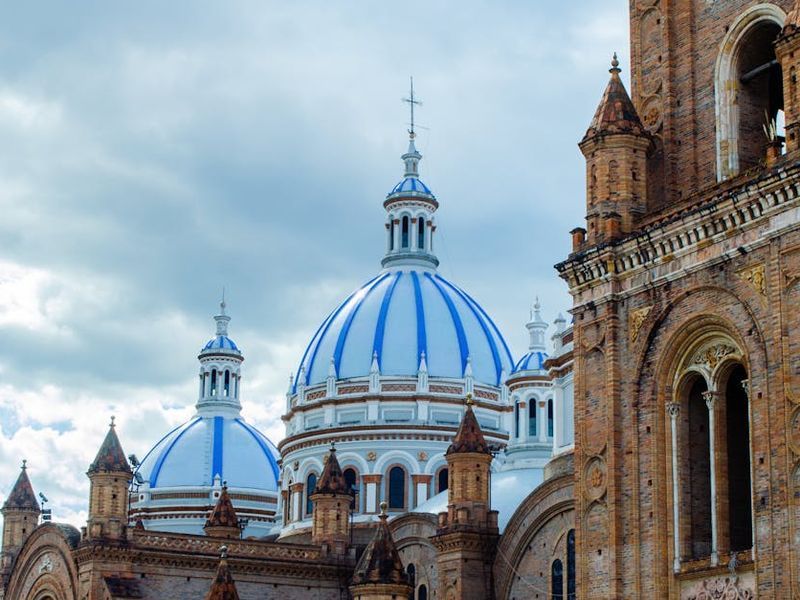
- Stroll around Parque Calderón and admire the Catedral de la Inmaculada Concepción.
- Walk along the Río Tomebamba and sit at a café for people-watching and light reading.
- Visit Museo Pumapungo for a calm indoor cultural experience.
- Take a short taxi ride to the Mirador de Turi for panoramic views — although the viewpoint requires a taxi if you’re avoiding steep climbs.
- Browse artisan markets like those in San Sebastián for jewelry and textiles — browse slowly and avoid crowded days.
Avoid strenuous hikes or high-altitude excursions (such as El Cajas National Park) until you’ve fully recovered from surgical procedures or received clearance from your dentist.
Money, Payments and Insurance
Ecuador uses the U.S. dollar, so you won’t have to worry about currency exchange hassles. Many clinics accept cash (USD), major credit cards and bank transfers. Cash payments are sometimes discounted. Before you commit, confirm what forms of payment are accepted and whether deposits are refundable.
Dental insurance from your home country may not cover international care. Consider travel insurance that includes medical evacuation and emergency dental coverage. Also check whether the clinic offers a written warranty for prosthetics — reputable dentists often guarantee crowns and implants for a specified period, provided you follow maintenance recommendations.
Safety, Records and Returning Home
Cuenca is generally safe, but take usual travel precautions: keep valuables secure, carry photocopies of your passport, and use hotel safes for important documents. Before you leave, request complete records and a copy of your treatment plan, x-rays and post-op instructions in English. These will be invaluable for your home dentist if follow-up is needed.
Plan a buffer day before your international flight if you’ve had any sedative medications or significant dental work requiring observation. Your dentist will advise whether it is safe for you to fly and how long to wait after certain procedures.
Sample 7-Day Dental Holiday Itinerary
Here’s a sample schedule for a crown, filling or minor implant case that requires multiple short visits:
- Day 1: Arrive in Cuenca, settle into hotel, light walking to acclimatize.
- Day 2: Initial in-person exam, confirm digital images, review treatment, first cleaning or temporary work if needed.
- Day 3: Main dental procedure (crowns, extractions or implant placement). Rest in the afternoon, start antibiotics and pain meds if prescribed.
- Day 4–5: Rest, soft foods, easy sightseeing (Park Calderón, river walk).
- Day 6: Follow-up visit for suture removal or to check impressions/fit; deliver temporary restorations as needed.
- Day 7: Final adjustments or take-home instructions. Depart or extend your stay for relaxation.
For implant cases requiring osseointegration, plan a return visit several months later or arrange to have the implant restored by a local dentist at home if agreed upon in advance.
Final Checklist Before You Go
- Get virtual consults and a written treatment plan from the clinic.
- Send x-rays and medical history; ask about anesthesia and sedation options.
- Book lodging close to your clinic and arrange airport pickup if needed.
- Pack a small recovery kit: extra pillows, ice packs, gauze, over-the-counter pain meds (as allowed), and a list of generic drug names for prescriptions.
- Arrange travel insurance and copies of important documents.
- Plan low-impact activities for downtime and avoid intense altitude climbs after major procedures.
Conclusion: Balance Treatment With Restoration
A dental holiday in Cuenca can be both an effective way to receive affordable, high-quality dental care and an opportunity to unwind in one of Ecuador’s most beautiful cities. Thoughtful planning, clear communication with your clinic, a comfortable place to rest, and a modest activity plan will help you arrive relaxed, complete your treatment smoothly, and return home with a healthier smile and renewed energy.
With its friendly services, modern clinics and calming colonial streets, Cuenca offers the practical support and restorative backdrop ideal for combining dental care with a restorative escape.