
Table of Contents
Why Spend a Week in Cuenca?
Cuenca is one of Ecuador’s most inviting cities: a compact, walkable historic center, a lively artisan scene, easy access to highland landscapes like Cajas National Park, and a relaxed pace that rewards slow travel. A week gives you enough time to feel the rhythm of the city, try the local cuisine, explore museums and markets, and take two day trips without rushing.
Quick Practical Notes Before You Go
Cuenca sits at roughly 2,500–2,600 meters (about 8,200–8,500 feet), so pack layers and plan a gentle first day to acclimatize. Ecuador uses the U.S. dollar, credit cards are accepted at many places, but markets and small cafés prefer cash. The main airport is Mariscal Lamar (CUE), with connections to Quito and Guayaquil. The city center is compact and best explored on foot; taxis are cheap for longer trips, and buses connect to surrounding towns.
Safety and Health Tips
Cuenca is considered safe compared with many Latin American cities, but petty theft occurs. Keep valuables out of sight, use a money belt, and carry photocopies of your passport. If you feel the effects of altitude (headache, shortness of breath), rest, hydrate, and try coca tea — a common local remedy. For emergencies dial 911 in Ecuador.
How to Use This Itinerary
Below is a flexible, day-by-day plan. Swap days around based on weather — for example, choose a dry day for Cajas National Park and a rainy day for museums. Expect to walk a lot and stop frequently for coffee or helado (Ecuadorian-style ice cream).
Day 1 — Arrival, Plaza Calderón & Riverside Stroll
Start in the heart of the city at Plaza Calderón, where you can orient yourself among colonial facades and church domes. Take your first slow walk down the tree-lined streets of the historic center (a UNESCO World Heritage Site) and step inside the cathedral with its iconic blue domes.
From the plaza follow the Tomebamba riverwalk — a pleasant stretch lined with cafés and terraces. This gentle stroll will give you a feel for Cuenca’s layout and allow you to spot key landmarks to revisit later.
Day 2 — Museums, Markets & Local Flavors
Devote your second day to museums and food markets. Start at Museo Pumapungo to learn about the Cañari and Inca history of the region and to see archaeological terraces. Nearby you can explore smaller museums dedicated to art, religion, and local history.
For lunch head to a busy market (such as Mercado 10 de Agosto or the Municipal Market) where you can sample hornado (roast pork), locro de papa (potato and cheese soup), empanadas, and handmade juices. Finish the day with helados de paila — fruit sorbets made in a big copper pan — a Cuencan specialty.
Day 3 — Artisan Neighborhoods: Chordeleg & Gualaceo (Half-Day or Full-Day)
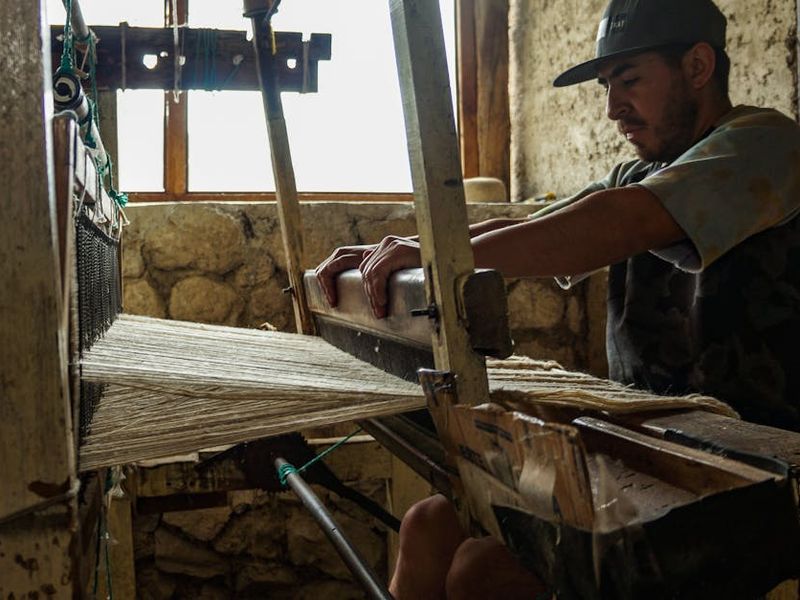
Artisans form a strong part of Cuenca’s identity. In one direction, take a short trip to Chordeleg, famous for silver filigree jewelry; in another, visit Gualaceo and its textile workshops and markets. Both towns are within easy reach and make excellent half- or full-day excursions depending on how many stops you want to make.
Look for hand-embroidered textiles, pocket-sized souvenirs, and the slow rhythm of workshop life. If you want to bring home an artisan piece, ask about the materials and care instructions to preserve your purchase.
Day 4 — Cajas National Park: Lakes, Hikes & Birdwatching
Cajas National Park is a short drive from Cuenca and a highlight for many visitors. The park is a high-altitude páramo with dozens of glacial lakes (lagunas), peat bogs, and fast-changing weather. Bring warm layers, rain gear, sun protection, and sturdy shoes.
Popular hikes range from easy 1–2 hour circuits around a lagoon to longer treks that require better fitness. You can spot Andean waterfowl and, on lucky days, condors soaring above. Many tour operators from Cuenca offer half- or full-day guided trips; guides add local knowledge and increase your chance of wildlife sightings.
Day 5 — Ingapirca & The Inca Legacy
A day trip to Ingapirca — the largest known Inca archaeological site in Ecuador — makes an excellent cultural contrast to Cajas. The stone structures and ceremonial spaces reveal how the Cañari people and the Incas interacted in this zone. The drive passes through highland scenery and small towns where you can see rural markets and traditional life.
At Ingapirca, take time to read plaques and imagine the engineering behind the stonework. If you’re interested in archaeology, consider hiring a local guide at the site for deeper context.
Day 6 — Cafés, Boutiques & Hands-On Experiences
After two full days of excursions, give yourself a relaxed city day. Cuenca has excellent coffee shops and boutique chocolate makers — a chocolate workshop or tasting session is a pleasant way to spend a half-day. You can also book a cooking class to learn local recipes such as mote pillo or aji criollo.
Stroll the artisan shops off the main plaza for panama hats, handicrafts, and textiles. If you enjoy architecture, take a walking route that highlights restored colonial houses and small museums tucked into side streets.
Day 7 — Turi Viewpoint, Botanical Gardens & Evening Farewell
Save a mellow, scenic day for the end of your week: head up to Turi viewpoint for sweeping panoramas of the city and the surrounding valley. Nearby restaurants serve typical dishes with terrace viewpoints — an excellent spot for a farewell lunch.
Return to town for a relaxed afternoon in a park or the botanical gardens. In the evening, seek out a local music venue, a rooftop bar, or simply enjoy a long dinner sampling regional dishes you missed earlier in the week.
Where to Stay — Neighborhood Suggestions
For first-time visitors, the Historic Center is the best base: you’ll be within walking distance of museums, squares, and the river. If you prefer calmer evenings, look for lodging slightly uphill or across the river where streets are quieter. Many visitors also like staying near Turi for views, though that requires a short taxi ride into the city each day.
Getting Around Cuenca
Cuenca’s central district is ideal for walking. For longer trips, yellow taxis are affordable — agree on a fare if the driver won’t use the meter. Buses serve routes throughout the city and neighboring towns. If you plan several day trips, it can be convenient to book through a small local tour company that offers transport and guide services.
Food & Drink — Must-Try Local Dishes
Cuenca’s cuisine blends highland ingredients and Spanish tradition. Don’t miss hornado (slow-roasted pork), locro de papa (creamy potato and cheese soup), and empanadas. For dessert, seek out helados de paila, made fresh with local fruits. If you’re adventurous, try cuy (guinea pig), a traditional Andean specialty available at some restaurants.
Cuenca is also a great place for coffee lovers. Visit small roasters and specialty cafés to sample single-origin Ecuadorian beans. Local bakeries often serve fresh bread and sweets for a light, cheap breakfast.
Practical Budget Tips
Cuenca is affordable by international standards. Street food and market meals can cost a few dollars, mid-range restaurants run $6–15, and fine dining is more expensive. Budget hotels and guesthouses can be $25–60/night, while comfortable boutique hotels range $60–120. Guided day trips to Cajas or Ingapirca typically range $30–70 depending on group size and inclusions.
Weather & Packing Checklist
The city’s highland climate is spring-like year-round but can change quickly — mornings and evenings are cool and afternoons can be warm. Pack layers, a lightweight waterproof jacket, comfortable walking shoes, sunscreen, a hat, and a refillable water bottle. Don’t forget an adapter for electronics and copies of important travel documents.
Seasonality — When to Visit
Dry months are usually more comfortable for hiking and outdoor activities; some visitors prefer the drier season for day trips to Cajas. However, Cuenca’s charm is year-round. Shoulder seasons can be quieter and kinder to budgets.
Unique Experiences & Local Customs
Try to time at least one morning at a neighborhood market where locals shop for produce and handmade goods; these are lively and photographic. If you’re invited to a local home, a small gift such as chocolate or flowers is appreciated. Ecuadorians often greet friends with a single cheek kiss and a handshake in formal settings, so be prepared for a warm, friendly culture.
Sample One-Week Budget (Per Person)
- Accommodation (mid-range): $350–600
- Food: $10–30 per day
- Local transport and taxis: $3–15 per day
- Day trips and tours: $30–100 per outing
Final Tips for a Smooth Week
Take your first 24 hours easy to acclimatize. Book popular tours (Cajas, Ingapirca) in advance during high season. Respect local customs and ask permission before photographing people in markets. Bring cash for markets and small vendors, and learn a few key Spanish phrases — even a little effort goes a long way in connecting with locals.
Wrap-Up
Cuenca rewards travelers who mix culture, culinary exploration, nature, and slow, wandering days. A well-paced week lets you experience the highlights without feeling rushed: a cathedral and river promenade, artisan towns and museums, a highland hike, and the peaceful pleasure of sitting with a cup of Ecuadorian coffee watching the world go by. With these practical tips and the day-by-day plan above, you’ll be ready to craft your ideal week in one of Ecuador’s most beloved cities.