
Table of Contents
Why timing matters for visiting Cuenca
Cuenca sits high in the Andes at roughly 2,560 meters (about 8,400 feet), with a mellow year-round climate, a UNESCO-listed historic center, and easy access to mountains, lakes and artisan markets. That altitude and the city’s location in the southern Ecuadorian highlands mean weather, daylight and festival calendars all shape your experience more than sheer temperature extremes. Picking the right time to visit will affect everything from hiking conditions to hotel prices and how crowded the cathedral plaza gets.
Quick summary: Best times at a glance
- Best overall weather: June–September (drier skies, excellent views)
- Best for lower prices and fewer tourists: October–November and January–April (rainy season but quieter)
- Best for cultural festivals and busy streets: Holy Week (Semana Santa) and early November (national celebrations)
- Best for hiking and Cajas National Park: June–September for stable, crisp conditions
How Cuenca’s seasons actually work
Unlike destinations with dramatic temperature swings, Cuenca has more of a dry/wet rhythm. The June–September months bring the clearest skies and the lowest chance of rain, making them ideal for photography, mountain hikes and long day trips. The rainy season generally runs from late October through May, with the heaviest showers concentrated in the heart of the season (often December through April). Temperatures remain fairly steady year-round: days can feel pleasantly warm in the sun, while evenings and early mornings are brisk and often cold.
Month-by-month breakdown
January–March: Green landscapes, afternoon showers
This period is still in the wet season, so expect more rain in the afternoons and greener countryside. That lushness is fantastic for nature lovers and photographers who want saturated colors. Tourist numbers are lower than in the dry season, hotel prices tend to dip, and you may find better last-minute deals. Keep your mornings free for outdoor plans and reserve museums, markets and gastronomic explorations for the wetter parts of the day.
April–May: Transition months, unpredictable pockets
April can still be wet, but by May you’ll notice drier stretches as the calendar heads toward the dry season. May is a good shoulder month — you may get consecutive sunny days and fewer visitors than the peak summer months. This is a smart time to travel if you want a balance between decent weather and lower costs, especially for hotel stays in the historic center.
June–September: Peak weather for outdoor adventures
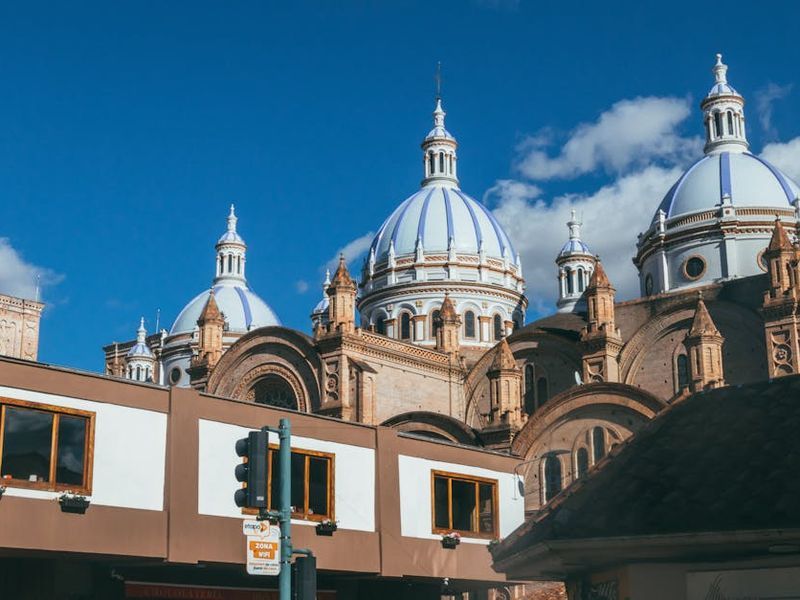
These are the clearest months. If your priority is hiking in Cajas National Park, visiting the highland lagoons, or photographing the red-tiled roofs of the Centro Histórico under blue skies, aim for this window. Expect cooler nights and warmer afternoons — pack layers. This period is also popular with international visitors and Ecuadorians on holiday, so book accommodations and guided tours in advance for the best options.
October–November: Shoulder season with flair
October brings more variability — occasional rain returns, but the crowds are still thin. November often sees a short increase in visitors because of national celebrations around early November; there can be parades, concerts and local events in and around Cuenca. Hotel prices and flight fares usually remain lower than the dry-season highs, making this a favorable time to balance value with decent weather.
December: Festive atmosphere and peaks in demand
December can be busier around the holidays. Weather is mixed — you may find a few clear stretches but also brief showers. Hotels and restaurants near the main plazas can fill up for holiday dinners and special events, so reserve early if you plan to visit during Christmas and New Year’s weeks.
Festivals and cultural timing to consider
Cuenca is as much about cultural rhythms as climate. Semana Santa (Holy Week) in March or April includes processions, special church services and vibrant street life — a spiritually and visually rich time but also a peak travel period for Ecuadorian families. Early November around national independence celebrations often features concerts, parades and civic events, which create a lively urban atmosphere. If you want to catch a festival, check a current events calendar before booking; if you prefer quieter streets, avoid these windows.
Practical travel tips by season
- Dry season tips (June–Sept): Reserve hotels early; bring sunglasses and sunscreen; expect perfect views but pack warm layers for nights.
- Rainy season tips (Oct–May): Pack a lightweight waterproof jacket and quick-dry clothing; plan outdoor activities for mornings; take advantage of lower prices.
- Shoulder season tips (May & Oct): Hybrid benefits — fewer crowds and improving weather. Carry folding umbrella and a comfortable pair of waterproof walking shoes.
Packing list for Cuenca — what you really need
Packing for Cuenca is about layers and flexibility. Temperatures are moderate, but the sun can be strong at this altitude and nights are cool. Essentials to include:
- Lightweight waterproof jacket or poncho
- Warm mid-layer (fleece or light sweater) for evenings
- Long-sleeve shirts and T-shirts for layering
- Sun protection: hat, sunglasses and SPF 30+ sunscreen
- Sturdy walking shoes with grip for cobblestones and muddy trails
- Reusable water bottle and basic first-aid kit
- Adapter for electronics (Ecuador uses North American-style plugs and 120V)
Health and altitude considerations
At about 2,560 meters, most travelers acclimatize easily but a small number experience mild altitude effects such as headache, fatigue or shortness of breath. Practical steps to minimize discomfort include staying hydrated, avoiding heavy exercise on the first day, and limiting alcohol for the first 24–48 hours. If you have significant heart or lung conditions, consult your healthcare provider before travel. Travel insurance with medical coverage is a smart precaution.
Best day trips by time of year
Cuenca makes a superb base for memorable excursions year-round — but seasonality changes what’s most enjoyable:
- Dry season (June–Sept): Cajas National Park for trekking and highland lakes; El Cajas is especially photogenic with clear reflections and sweeping vistas. Also ideal for visiting Ingapirca archaeological site or hiking near the nearby páramo.
- Wet season (Dec–Apr): Stick to cultural and culinary day trips — explore Museo Pumapungo, the ceramic ateliers in El Tambo, and the markets of Gualaceo and Chordeleg for jewelry and weaving. Mornings often offer suitable windows for quick outdoor stops.
- Shoulder months: Combine both approaches with shorter hikes and artisan market visits; you’ll find fewer visitors and friendly bargaining opportunities.
Where to stay — timing influences your neighborhood choice
The Centro Histórico (around Parque Calderón) is magical and very convenient for walking tours, cathedrals and cafés. If you prefer quieter nights and larger rooms, consider staying in nearby neighborhoods such as Yanuncay or El Vecino, which have easy bus access. During the high season and festival weeks, book a hotel in the historic district well in advance to avoid premium rates and sold-out options.
Budgeting tips tied to seasons
Airfares and hotels generally rise during the dry season and the holiday periods. To stretch your budget, travel in the rainy months when hotels are more likely to offer discounts and restaurants may have weekday specials. Another money-saving strategy is to book multi-night stays — many midrange and boutique hotels reward longer reservations with reduced nightly rates.
Photography, wildlife and what to expect visually
For photographers, June to September provides the crispest skies and golden-hour opportunities over the red roofs of the Centro Histórico and the cathedral towers. Rainy months offer dramatic cloudscapes, misty mornings and saturated colors — less predictable but uniquely atmospheric. Birdwatchers may enjoy the varied species year-round; high-elevation habitats near Cajas and the nearby cloud forests host hummingbirds, Andean gulls and other specialties. Morning light is usually the most reliable for wildlife sightings.
Logistics: getting there and getting around
Cuenca’s airport, Mariscal La Mar (CUE), has domestic flights and some international connections. Buses run regularly to Quito and Guayaquil, and long-distance coach services are comfortable and an affordable option. Inside the city, taxis and ride-hailing services like Uber are convenient for short hops; many neighborhoods are highly walkable, especially the historic center with its pedestrian-friendly streets and plazas.
Final advice: choose what matters most to you
There’s no single best time to visit Cuenca for everyone. If reliable trekking and skyline views top your list, aim for June–September. If you want lower prices, fewer tourists and lively cultural experiences in the museums and markets, the shoulder months or even parts of the rainy season can be ideal. Factor in festivals if you crave cultural immersion, and always pack layers: Cuenca’s weather rewards preparation and flexibility.
Use this guide to match your travel priorities — weather, festivals, budget and activities — to the month that fits you best, and you’ll arrive ready to enjoy Cuenca’s charm, whether under bright blue skies or in the soft, rainy glow that makes the Andes feel timeless.