
Table of Contents
Why Cuenca Is a Great Choice for a Dental Recovery Vacation
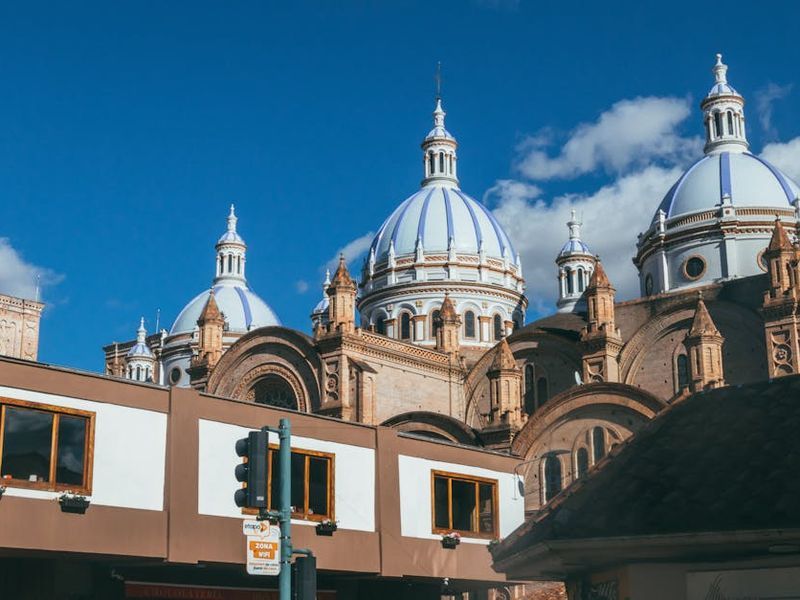
Cuenca’s cobblestone streets, mild climate and UNESCO-listed historic center make it an attractive destination for dental travelers who want to pair treatment with relaxation. The city has a strong healthcare infrastructure, many dentists trained internationally, and the U.S. dollar as currency — all of which simplify planning. Add in accessible day-trip nature, cozy cafés and plenty of gentle activities, and Cuenca becomes a smart option for anyone needing dental work who also wants to rest and recharge.
Start with a Clear Treatment Plan
Before you book flights, secure a detailed treatment plan from your chosen clinic. Ask for:
- An itemized quote with costs in USD and specifics on what’s included (materials, lab fees, follow-ups)
- A timeline for each phase of work (consultation, surgery, temporary restorations, final crowns or veneers)
- Digital records: intraoral photos and X-rays you can keep for your own records
- Information on guarantees, aftercare and emergency contact numbers
Many clinics will do a virtual consultation over email, WhatsApp, or video call. Use those sessions to clarify what requires one visit, which procedures might need two visits, and whether your case can be completed using same-day CAD/CAM crowns or will depend on a dental lab turnaround.
Timing: How Long to Stay and How to Schedule Treatments
Your length of stay depends on the work you plan to have done:
- Routine care (cleaning, fillings): same-day; plan 1–3 nights to recover and enjoy the city.
- Crowns/veneers (standard lab process): typically two visits spaced 1–2 weeks apart for impressions and final seating — plan 7–14 days if the lab is local, or shorter if the clinic uses in-house CAD/CAM for same-day crowns.
- Dental implants: staged care — placement surgery then 3–6 months healing before the final crown. Many travelers split implants into two trips or accept provisional teeth and return later for finals.
- Complex reconstructive work: expect multiple visits and longer recovery — coordinate closely with your dentist.
To keep the trip relaxing, try to schedule major procedures early in your stay so you have time to rest in Cuenca rather than rushing straight into travel.
Practical Travel Logistics
Getting There
Cuenca’s Mariscal La Mar Airport (CUE) is a short drive from the historic center, and the city is easily reachable via connections through Quito or Guayaquil. Flights are short and comfortable, but be mindful of altitude: Cuenca sits at about 2,560 meters (roughly 8,400 feet). If you’re coming from sea level, give yourself a day to acclimatize before major dental surgery.
Where to Stay
Choose accommodations that support recovery: look for quiet, centrally located hotels or private apartments within walking distance of the city’s medical district. Neighborhoods to consider include the historic center (near Parque Calderón and the cathedral), San Sebastián for a local vibe, or near the Tomebamba River for tranquil walks. Many travelers prefer hotels with onsite breakfast, elevators, and comfortable beds — small conveniences can make a big difference after treatment.
Money, Pharmacy and Communication
Ecuador uses the U.S. dollar, which simplifies budgeting. Pharmacies are plentiful and well-stocked in Cuenca; however, bring prescriptions for antibiotics or pain medication prescribed by your dentist to avoid any delays. Spanish is the primary language — many clinics staff English-speaking coordinators, but have a translation app or a bilingual friend handy just in case.
Choosing a Clinic: Red Flags and Questions to Ask
Do a thorough vetting to ensure safety and quality care. Key questions include:
- What are the dentist’s formal qualifications and continuing education credentials?
- Does the clinic follow international sterilization standards and have visible infection-control protocols?
- Are digital X-rays and 3D imaging (CBCT) available on-site?
- How are lab works handled — in-house or sent to local labs — and who fabricates restorations?
- Is there a written warranty and a documented follow-up plan?
Red flags: vague pricing, reluctance to provide written plans, no visible sterilization protocol, inconsistent reviews or no after-care contact. Good clinics will be transparent, provide references, and often can show before/after images for similar cases.
What to Pack: Dental Recovery Essentials
Pack smart for immediate comfort and proper healing. Include:
- Copies of dental records and a translated treatment plan
- Any prescribed meds, plus a small first-aid kit (gauze, over-the-counter pain relievers, mouth rinse)
- Soft-food supplies and reusable utensils; lightweight food thermos
- Comfort items: neck pillow, sleep mask, earplugs
- Chapped-lips balm and moisturizer (altitude can dry skin)
You can buy many items locally in Cuenca, but bringing essentials prevents stress immediately after treatment.
Managing Recovery: Food, Activity, and Follow-up
Post-procedure care will vary by treatment. For most procedures, plan low-impact days: strolls, cafés and light sightseeing rather than intense hikes. Sample recovery strategies:
- Soft-food menu: soups, mashed potatoes, puréed lentils, smoothies and yogurt. Supermarkets and small markets in Cuenca stock fresh produce and prepared foods.
- Avoid alcohol and smoking while healing — both impair recovery.
- Stay hydrated but avoid extremely hot beverages right after numbing or surgery.
- Follow medication and oral hygiene instructions precisely — use warm saltwater rinses as recommended and avoid vigorous rinsing the first 24 hours after extractions.
Arrange a 24–48 hour follow-up with your clinic to check healing and resolve any issues before you leave.
Make Time to Rest: Low-Key Activities in Cuenca
Cuenca is perfectly suited to slow, restorative experiences that won’t jar a dental recovery. Consider:
- Gentle walks along the Tomebamba River and visits to the floral-lined bridges
- Quiet mornings at a café near Parque Calderón, watching cathedral views and sipping milder coffees
- Relaxing strolls through the Pumapungo archaeological and ethnographic museums (flat paths and benches)
- Day trips to El Cajas National Park for easy, altitude-aware walks — bring layers and take it slow
- Visiting artisan towns such as Chordeleg (filigree jewelry) and Gualaceo (textiles) — both are calm, culturally rich half-day trips
Skip high-adrenaline activities (whitewater rafting, heavy trekking) during immediate healing phases.
Costs, Payments and Warranties — What to Expect
Dental prices in Cuenca are typically lower than in North America or Europe, but exact fees vary widely by clinic and materials. Ask for clear payment options — many clinics accept cash (USD), credit cards, or bank transfers. Secure a written invoice and a warranty agreement that specifies what’s covered and for how long. If final restorations will be shipped later, get documentation about shipping fees, handling and cross-border logistics.
Insurance, Emergencies and Aftercare Once You’re Home
Check whether your medical or travel insurance covers complications from elective dental work abroad; many plans do not, so consider supplemental travel insurance that includes medical evacuation if you’re having extensive surgical procedures. Before you go home, obtain a complete copy of your dental records, including materials used (e.g., zirconia, porcelain fused to metal, implant brand and size). That helps your local dentist manage any future issues.
If you experience unusual symptoms after returning home (fever, severe pain, swelling that worsens), contact your dentist in Cuenca first — most clinics support patients remotely and will advise you. Keep a list of local emergency dental or medical numbers in your home country as a backup.
Sample 7-Day Restorative Itinerary
Here’s an example itinerary that balances dental care with rest and slow exploration:
- Day 1: Arrive, check into accommodation, rest and hydrate. Light walk near the cathedral in the evening.
- Day 2: Initial consultation and imaging with your dentist. Confirm treatment timeline and pick up prescriptions if needed.
- Day 3: Minor procedure or first phase (deep cleaning, impressions). Afternoon rest, easy river walk.
- Day 4: Recovery day — spa or massage (confirm with your dentist that massage/heat is okay). Gentle cultural visits.
- Day 5: Follow-up visit; if impressions return ready and clinic offers same-day restorations, plan seating. Otherwise enjoy a calm day trip to Gualaceo/Chordeleg.
- Day 6: Final check, collect paperwork and aftercare instructions. Sunset at Turi viewpoint or a quiet dinner near the cathedral.
- Day 7: Depart or extend your stay for extra rest.
If you’re undergoing implants, modify this plan to accommodate staged visits and extended healing — many travelers split the procedure into two separate trips to allow complete osseointegration before final crowns are placed.
Final Tips for a Smooth, Relaxing Dental Vacation
1. Do your research and get estimates from 2–3 clinics. Compare qualifications, lab practices and aftercare policies. 2. Travel with a companion if possible — moral support and practical help is invaluable after surgery. 3. Bring a translator or rely on clinics that provide bilingual coordinators. 4. Stick to conservative bite forces during healing; avoid crunchy or sticky foods until cleared. 5. Schedule downtime, not a sprint — one of the main benefits of choosing Cuenca is the city’s calm pace and restorative environment.
Combining dental care with a recovery-focused vacation can be a restorative, cost-effective choice. With clear communication, realistic timelines and sensible planning — plus a few peaceful walks along the Tomebamba or a slow afternoon in a cathedral-side café — you can leave Cuenca with a healthier smile and a relaxed body and mind.