
Table of Contents
Keeping Smiles Healthy in Cuenca: Why Regular Dental Check-ups Matter
Moving to Cuenca brings new routines — exploring mercados, adjusting to highland weather, and navigating healthcare. Amid all of that, dental care is easy to overlook. Regular dental check-ups catch small problems before they become expensive or painful, and many expats find excellent, affordable care here if they know where to look and what to ask.
How Often Should You See a Dentist?
General guidance is straightforward but should be customized. Most adults benefit from a dental exam and professional cleaning every six months. That rhythm helps remove plaque and tartar, lets the dentist monitor for cavities and gum disease, and keeps X-rays up to date.
However, some people need more frequent attention:
- High-risk patients (smokers, heavy coffee drinkers, those with gum disease or a high cavity rate) often come every three to four months.
- People with chronic conditions such as diabetes or those on medications that reduce saliva should aim for more frequent visits, because dry mouth raises cavity risk.
- Children should see a dentist as soon as the first tooth appears or by age one, and then every six months as recommended.
- Pregnant women are usually advised to have routine care in the second trimester when dental treatment is safest; urgent care is available at any time.
What Happens During a Routine Check-up?
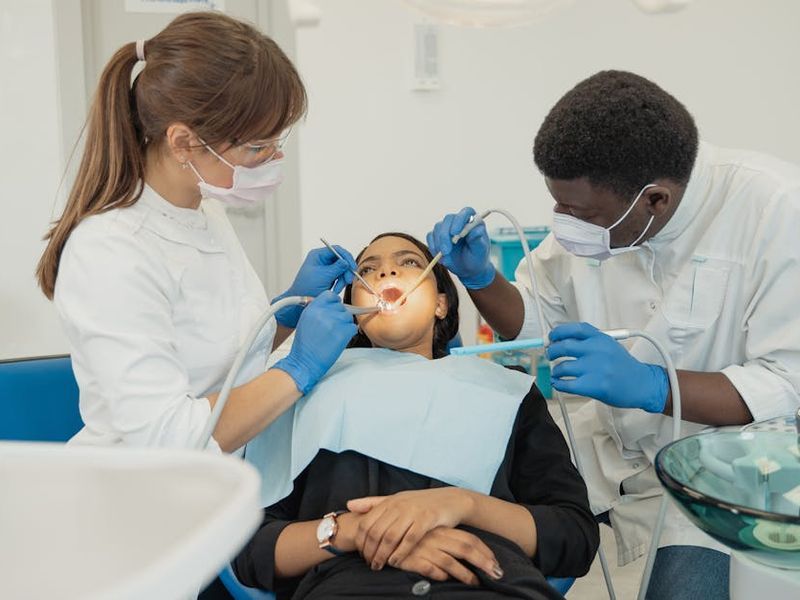
A typical visit in Cuenca will include several steps designed to assess your oral health comprehensively. Expect the appointment to cover:
- A clinical exam: teeth, gums, bite and soft tissues are inspected for signs of decay, inflammation or abnormalities.
- Cleaning (profilaxis): removal of plaque and tartar followed by polishing.
- X-rays when needed: bitewings or a panoramic image (ortopantomografía) to look for hidden decay, bone loss or impacted teeth.
- Periodontal charting if gum disease is suspected: measurements of gum pockets to stage any periodontal condition.
- A treatment plan and estimate for any follow-up work, like fillings, root canals, crowns or implants.
Dental clinics in Cuenca vary in their equipment — some have modern digital X-rays and same-day milling while others work more traditionally. If you prefer the latest technology, ask about it when booking.
Common Dental Services Available in Cuenca
Cuenca’s dental community offers a full range of services, from preventive care to complex restorative work. Typical services include:
- Cleanings and fluoride varnish applications
- Fillings (empastes) with tooth-colored composites
- Root canals (endodoncia)
- Extractions (extracciones), including wisdom teeth
- Crowns (coronas) and bridges, often made in local dental labs
- Implants (implantes) — a more involved process that can take months
- Orthodontics and clear aligner treatments
- Dentures and partials for tooth replacement
- Cosmetic services like whitening
Turnaround time varies. Routine fillings are often same-day; crowns usually take one to two weeks if sent to a local lab. Implants require staged treatment: placement of the titanium post, a healing period, and final restoration — plan for several months total.
How Much Will Dental Care Cost in Cuenca?
One reason many expats appreciate dental care in Cuenca is affordability compared to North America and parts of Europe. Costs vary by clinic, materials and complexity, but ballpark figures are helpful when planning:
- Routine cleaning and exam: often low-cost or bundled together; many clinics offer competitive pricing
- Fillings: typically less expensive than in the U.S./Canada — expect moderate pricing depending on material and tooth location
- Crowns and bridges: prices vary widely by material and lab; discuss options from ceramic to porcelain-fused-to-metal
- Implants: a significant investment anywhere — Cuenca can be more affordable, but don’t choose price over proven experience
Always ask for a written estimate before treatment. Many clinics provide multi-session payment plans or discounts for full upfront payment. If you have international travel insurance or private Ecuadorian insurance, check whether dental care is covered and how reimbursements work.
Finding a Reliable Dentist in Cuenca
Choosing a dentist is about trust and communication as much as it is about price. Here are practical steps to find the right provider:
- Ask other expats. Cuenca has active Facebook groups and forums where members share recent experiences and photos of work done.
- Check online reviews and look at before-and-after photos if available.
- Call ahead and ask about professional credentials: dentists should be registered; you can ask whether they belong to the Colegio de Odontólogos or have postgraduate training.
- Ask about sterilization protocols: do they use autoclave sterilization for instruments? Are disposables used where appropriate?
- Look for clinics that offer clear treatment plans, written estimates, warranties and follow-up visits. If a clinic hesitates to provide details, look elsewhere.
- Consider multilingual staff. Some dentists in Cuenca speak English; others do not. If Spanish isn’t your strong suit, request an English-speaking assistant or bring a friend as a translator.
Language and Communication: Useful Spanish Dental Terms
Simple Spanish phrases can make appointments smoother. Here are common terms and phrases to know:
- Tooth/teeth = diente/dientes
- Cleaning = limpieza dental
- Filling = empaste (relleno)
- Root canal = endodoncia
- Extraction = extracción
- Crown = corona
- Implant = implante
- Gum disease = enfermedad de las encías / periodontitis
- Do you have pain? = ¿Tiene dolor?
- I have a toothache = Tengo dolor de muelas
Most dentists appreciate when patients can describe symptoms clearly. If you’re nervous, mention it — many clinics offer gentle dentistry and sometimes conscious sedation options.
Emergency Dental Care: When to Seek Immediate Help
Not every dental issue requires a rush to the clinic, but some do. Seek urgent care in Cuenca if you experience:
- Severe, unrelenting tooth pain
- Swelling of the face or jaw that may indicate spreading infection
- Loose teeth or trauma to the mouth (fractured teeth or knocked-out tooth)
- Heavy bleeding after an extraction or injury that won’t stop
Call a dental office immediately; many clinics set aside time slots for emergencies. If you notice fever, spreading redness or difficulty breathing or swallowing, seek emergency medical care, as these could indicate a serious infection.
Preparing for Your First Appointment in Cuenca
Make the most of your first visit by preparing a few things in advance:
- Bring identification and a list of current medications, allergies and relevant medical history.
- If you have recent dental records or X-rays from your home country, bring copies — they provide useful context.
- Ask about payment methods: many clinics accept cash (USD is widely used), debit/credit cards and sometimes bank transfers.
- Be ready to discuss your dental goals and any concerns, cosmetic or otherwise.
At the end of the appointment, you should receive a clear treatment plan with costs and timing. If not, ask them to summarize the next steps in writing.
Aftercare and Recovery Tips for Common Procedures
Aftercare influences outcomes. Here are practical tips for common procedures:
- Extractions: rest for 24 hours, avoid vigorous rinsing, smoking and sucking through a straw; use gentle salt-water rinses after 24 hours.
- Root canal: follow antibiotics and analgesic instructions; expect some soreness for a few days; return for the final restoration (crown or filling).
- Crowns/bridges: avoid chewing hard foods on the new restoration until cementing is confirmed; report any high spots immediately.
- Implants: follow instructions carefully for oral hygiene and avoid heavy exertion after surgery; the healing period is essential for success.
If you’re prescribed antibiotics or pain medication, take the full course as directed and communicate with your dentist about side effects or insufficient pain control.
Preventive Habits That Make Check-ups Easier
Routine habits reduce the need for major interventions. For a healthy mouth in Cuenca:
- Brush twice daily with fluoride toothpaste and use interdental brushes or floss once a day.
- Limit frequent sugary snacks and acidic drinks. Traditional local foods are generally fine when eaten in moderation; be mindful of sweet pastries and sodas.
- Stay hydrated — Cuenca’s high altitude and dry air can cause dry mouth, increasing cavity risk. Drinking water and chewing sugar-free gum can help stimulate saliva.
- Use an antimicrobial mouthwash if recommended by your dentist, especially if you have gum concerns.
- Keep tobacco and excessive alcohol use in check; both raise oral disease risk.
Cost-Saving Strategies for Expats
Smart planning helps you get quality care without overspending. Consider these approaches:
- Compare quotes from several clinics before committing to expensive work like implants or full-mouth restorations.
- Ask about dental schools or university clinics — supervised students may offer lower-cost care.
- Maintain preventative visits to reduce the chance of costly emergency work later.
- Check whether your home insurance offers partial reimbursement for care abroad, or consider private Ecuadorian plans that include dental.
- Negotiate payment plans or bundle treatments for savings; many clinics are flexible with expats who plan their care in advance.
Final Thoughts: Regular Check-ups Are a Small Investment with Big Returns
For expats in Cuenca, routine dental care is both accessible and affordable compared to many other places. Regular check-ups prevent pain, lower long-term costs, and keep you comfortable while you enjoy life in the Andes. Do your homework: find a dentist you trust, prepare for appointments, and keep up with preventive habits. Your smile will thank you — and your future self will likely avoid more complicated procedures down the road.
Whether you’re new to Cuenca or have lived here for years, a six-month check-up is a simple way to protect your oral and overall health. If you haven’t seen a dentist since arriving, call or message a local clinic and book an exam — peace of mind is only an appointment away.