
Table of Contents
Introduction: Why Cuenca’s Tempo Feels Different
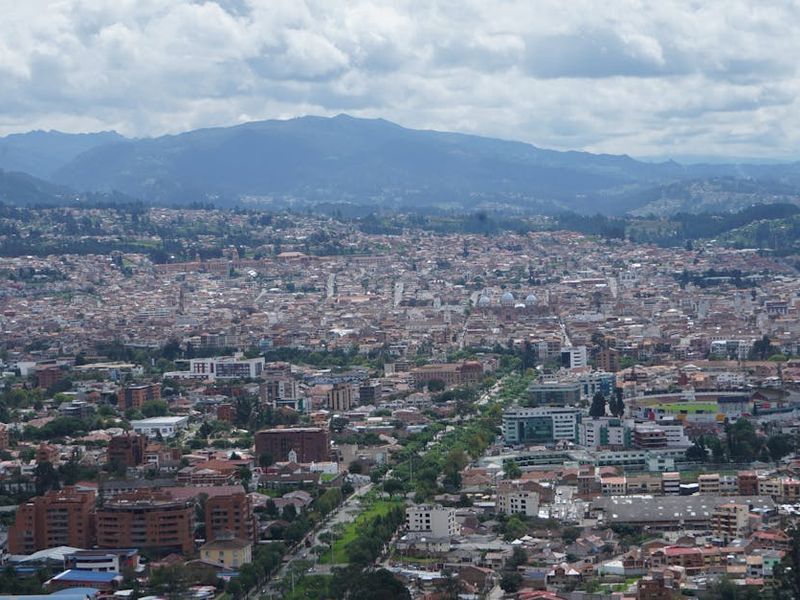
Cuenca seduces many newcomers with its elegant colonial center, tree-lined rivers, and a slower, more intentional way of living. If you’re used to a fast, 24/7 city rhythm, the change can be delightful — and disorienting. This guide gives practical tips to help you transition smoothly into Cuenca’s relaxed lifestyle while staying active, engaged, and connected.
Understand the Local Rhythm: What “Relaxed” Really Means
When locals say “tranquilo,” they mean a preference for measured pace over speed. Stores and services often follow traditional hours, there’s time for lingering at a café, and social life can feel more unhurried. This doesn’t mean things are inefficient — but it does mean planning and patience work better than rushing.
The practical implications
- Bank and government offices: Often close midday for a break; plan errands accordingly.
- Business culture: Social appointments are flexible; formal appointments, however, are still taken seriously.
- Daily life: Neighborhood bakeries and markets set the tempo for mealtimes and socializing.
First Week: Practical Survival Tips
The first days will set the tone for your adaptation. Start slow and check off basic logistics so you can focus on enjoying the city.
Must-do practical steps
- Acclimate: Cuenca sits at about 2,560 meters (8,400 feet). Take it easy your first 48 hours to reduce headaches and fatigue—avoid intense exercise and stay hydrated.
- Get a local SIM: Major carriers like Claro and Movistar cover the city; pre-paid plans are convenient while you decide on a longer-term option.
- Choose groceries and markets: Visit a Supermaxi or Mi Comisariato for packaged goods, and spend a morning at a municipal mercado to discover fresh produce and local specialties.
- Learn transport basics: The city has a modern tram line and an extensive bus network; taxis are plentiful; expect to walk a lot in the historic center.
Adjusting to the Weather and Altitude
Cuenca’s climate is mild year-round with cool evenings and variable afternoons. You’ll want a capsule wardrobe that layers well and protects from sudden showers.
Packing and clothing tips
- Layers are essential: lightweight fleece, a waterproof shell, and a warm scarf or hat for nights.
- Comfortable walking shoes: cobblestone streets around the cathedral and rivers demand sturdy soles.
- Sunglasses and sunscreen: UV can be strong at altitude even on cloudy days.
Daily Routines That Help You Embrace Slow Living
Creating small daily rituals anchors you in the new tempo without losing productivity or joy. The point is to blend comfort with momentum.
Morning: Start with a local rhythm
Try starting your day with a paseo along the Tomebamba River or a coffee at a neighborhood café. Walking helps you become familiar with your barrio and its vendors while giving you daily exercise that feels effortless.
Afternoon: Accept the pause
Many businesses slow from midday into the early afternoon. Use this time to read, practice Spanish, take a light nap, or enjoy an extended lunch—embracing the break can be restorative.
Evening: Social life blossoms
Evenings are when restaurants and plazas fill with neighbors and families. A quiet dinner, a walk through Parque Calderón, or an informal language exchange at a café are all excellent ways to connect.
Where to Live: Neighborhood Choices for Comfort and Convenience
Cuenca offers a mix of historic apartments and contemporary developments. Where you live affects how quickly you acclimate to the slower pace.
Historic Center
Living near Parque Calderón or along the old cathedral gives you immediate access to cafés, museums, and weekly events. Expect cobblestones, charming balconies, and a lively tourist flow that keeps things animated.
Riverside and Residential Barrios
Neighborhoods along the Tomebamba River and north or south of the historic core offer quieter streets, views, and more modern buildings. These areas are popular with families and long-term expats seeking calm without sacrificing proximity to services.
Newer developments
Apartment complexes with amenities like gyms and parking can be convenient if you prefer a predictable, modern lifestyle while still being only a short taxi ride from the center.
Building Community: How to Make Friends and Get Involved
One of the best ways to feel at home is to build a local social network. Cuenca has active expat groups and many ways to meet Ecuadorians who enjoy teaching and learning from newcomers.
Where to meet people
- Language exchanges (intercambios) at cafés and cultural centers—great for practicing Spanish and meeting locals.
- Volunteer opportunities with local NGOs: teaching English, assisting in cultural programs, or environmental groups for trips to Cajas National Park.
- Hobby groups: dance, pottery, art workshops, or walking clubs—join a class to form steady friendships.
Practicalities: Healthcare, Banking, and Bureaucracy
Cuenca is known for reliable healthcare and straightforward services, but some things operate at a calmer pace than you might expect.
Healthcare and pharmacies
Cuenca has both public and private healthcare options, with private clinics offering fast service and English-speaking doctors in some cases. Pharmacies are plentiful and often open late for basic needs. Carry basic medicines and ask your doctor about altitude-related precautions if you have health concerns.
Banking and paperwork
If you’ll be here long-term, explore residency or visa options (pensionado, rentista, or other categories). Many processes benefit from going in person and having patience—bring originals and copies of documents, and consider a local attorney or relocation specialist for complex steps.
Eating and Drinking: Food Culture as a Gateway to Local Life
Part of embracing Cuenca is learning to savor the food culture. From neighborhood bakeries to mercados, the culinary scene blends Ecuadorian staples with growing international options.
Local foods to try
- Mote pillo and hornado for traditional flavors.
- Fresh fruit available at markets—experiment with tropical varieties you may not know yet.
- Street snacks: empanadas and local pastries make excellent quick bites.
Dining out is relaxed: lunches are long, dinners are social, and cafés are perfect for slow afternoons. If you cook, local mercados and grocery chains like Supermaxi or Mi Comisariato make it easy to find familiar staples alongside fresh, local produce.
Transportation: Getting Around at a Slower Pace
Accept that travel in Cuenca is not about speed but convenience. The tram eases north-south travel, buses are cheap and plentiful, and taxis are convenient for late nights or short hops.
Tips for comfortable travel
- Learn the tram route—it’s clean, safe, and simple to use for core destinations.
- Keep small bills and exact change for buses; drivers often expect cash fares.
- Walking is often the fastest way to experience the center—wear comfortable shoes and enjoy the architecture.
Managing Expectations: Cultural Etiquette and Time
Understanding and respecting local customs will make integration smoother. Cuencanos value politeness, family, and respect for elders. Formal titles and the polite “usted” are appreciated in early interactions.
Small gestures that matter
- Greet people with a smile and a firm handshake; close acquaintances often exchange a single cheek kiss.
- When invited to someone’s home, bring a small gift like flowers or pastries.
- Be patient with timelines—if something feels slower than expected, responding calmly usually gets better results than pressure.
Combating Loneliness: Practical Mental Shifts
Slowing down can sometimes feel like falling behind. Use these strategies to keep your sense of purpose and social connectedness while adopting a more peaceful pace.
Daily practices
- Maintain a light schedule that combines errands with activities that enrich you—language classes, art, walks in new neighborhoods.
- Set micro-goals: learn 5 new Spanish phrases a week, prepare one new Ecuadorian dish per month, or explore one nearby town every few weekends (Gualaceo, Chordeleg, and Cajas National Park are popular day trips).
- Join online and in-person expat forums to ask questions and arrange meetups—these communities are invaluable for practical advice and friendship.
When to Push Back: Keeping Your Productivity Without Losing the Calm
If you still have deadlines or responsibilities from home, you can keep a productive rhythm without succumbing to stress. Structure your day around your energy peaks, not the clock of your home country.
Work-friendly strategies
- Create a dedicated workspace with reliable internet; cafes are plentiful, but bandwidth varies.
- Schedule important calls mid-morning local time to avoid bank-and-errand hours.
- Use the city’s quiet parks or riverside benches as restorative breaks to clear your head.
Final Thoughts: Take Your Time and Be Curious
Adapting to Cuenca’s slower tempo is less about surrender and more about choice: choosing presence, relationships, and quality over frantic efficiency. Allow yourself the time to get lost in a side street, sit longer over coffee, and learn the rhythms of the markets. The city rewards curiosity and gentleness; return that with an open mind and a willingness to savor small pleasures every day.
Every newcomer’s experience is different, but most who commit to the city’s relaxed pace find a deeper, steadier joy in daily life. With practical planning and a flexible mindset, you can both keep your responsibilities and discover why so many people decide to call Cuenca home.
Adam Elliot Altholtz serves as the Administrator & Patient Coordinator of the “Smilehealth Ecuador Dental Clinic“, along with his fellow Expats’ beloved ‘Dr. No Pain‘, right here in Cuenca, Ecuador, and for purposes of discussing all your Dental needs and questions, is available virtually 24/7 on all 365 days of the year, including holidays. Adam proudly responds to ALL Expat patients from at least 7:00am to 9:00pm Ecuador time, again every single day of the year (and once more even on holidays), when you write to him by email at info@smilehealthecuador.com and also by inquiry submitted on the Dental Clinic’s fully detailed website of www.smilehealthecuador.com for you to visit any time, by day or night. Plus, you can reach Adam directly by WhatsApp at +593 98 392 9606 -or by his US phone number of 1‐(941)‐227‐0114, and the Dental Clinic’s Ecuador phone number for local Expats residing in Cuenca is 07‐410‐8745. ALWAYS, you will receive your full Dental Service in English (NEVER in Spanish), per you as an Expat either living in or desiring to visit Cuenca by your Dental Vacation, plus also to enjoy all of Ecuador’s wonders that are just waiting for you to come arouse and delight your senses.