
Table of Contents
Why neighborhood choice matters in Cuenca
Moving to Cuenca is exciting: colonial architecture, a relaxed pace, and a mild mountain climate. But the city is compact and varied—what feels like the heart of it for one person might be noisy or isolated for another. Choosing the right neighborhood affects daily life: how long your commute is, whether you can walk to a café, how close the nearest grocery is, and the kind of community you’ll make. This guide walks you through the most popular areas for expats, what life is like in each, and practical tips to make the transition easier.
Quick orientation: Cuenca’s layout and practical facts
Cuenca sits in the southern highlands of Ecuador at about 2,560 meters (8,400 feet). The Tomebamba River runs through the city, creating a natural divide between historic, riverside neighborhoods and the newer zones. The city center (Centro Histórico) is compact, walkable and rich with museums, markets, churches and plazas. Outlying neighborhoods to the north and east tend to be quieter and more residential, while the hills to the south, culminating in Turi, offer sweeping city views.
Some practical notes for newcomers: Ecuador uses the US dollar, buses are inexpensive, and taxis are plentiful and affordable. Cuenca’s climate is famously mild—expect cool mornings and evenings with sunnier afternoons; dress in layers. Health care is high quality and reasonably priced compared with North American standards, and international healthcare networks serve the city.
Neighborhoods expats choose most often
Below are the neighborhoods that consistently come up in expat conversations, with pros and cons and realistic expectations on rent, services and lifestyle.
Centro Histórico (Historic Center)
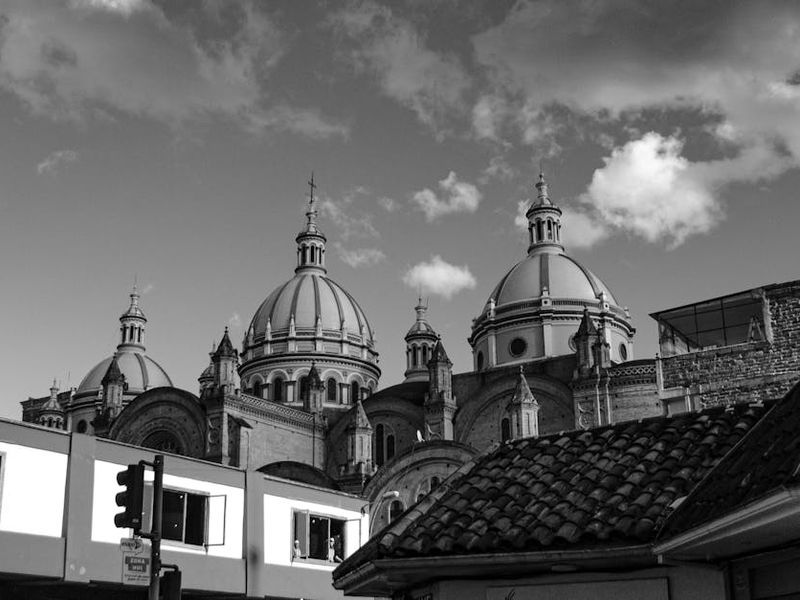
Why expats like it: The Historic Center is the postcard Cuenca—cobbled streets, elegant churches (including the imposing Catedral Nueva), plazas with flower stalls and abundant cafés. Living here means you can walk to museums, markets and many restaurants. For people who want life on their doorstep and enjoy a lively urban atmosphere, it’s a favorite.
What to expect: Noise from church bells and tourists is common; nighttime activity can be lively. Many buildings are colonial and charming but can have steep stairs and limited elevators. Apartments range from small studio conversions to spacious colonial flats with high ceilings.
Typical rent range: Modest studios and one-bedroom furnished units often start in the low hundreds (US$300–$500) while larger, updated historic flats can run US$600–$1,200 depending on size and finishes.
Best for: Walkers, lovers of history and people who want a social neighborhood.
San Sebastián
Why expats like it: North of the river and just a short walk from the center, San Sebastián has a quieter residential feel while remaining close to amenities. It’s known for tree-lined streets, small parks, and a blend of older homes and modern apartments. The neighborhood feels like a middle ground between the bustle of downtown and suburban calm.
What to expect: More local life and fewer tourists than the Centro. Streets are pleasant for walking and there are local bakeries, groceries and a relaxed community vibe. Expect a mix of older houses and new construction—some properties have off-street parking, which can be rare in the city center.
Typical rent range: One- to two-bedroom apartments are often US$350–$700.
Best for: Those wanting proximity to downtown without the tourist hustle. Good for couples and small families.
El Vergel and the eastern riverside
Why expats like it: El Vergel, near the Tomebamba River and Mall del Río (one of the city’s largest shopping centers), is a convenient spot with modern apartment complexes, green spaces and easy access to supermarkets. Riverwalks and parks are a major draw for people who enjoy morning strolls and bike rides.
What to expect: Newer construction and apartments with modern amenities—some buildings have gyms and covered parking. Because it’s a growing area, you’ll find a mix of residential towers and commercial development, making it practical for errands and shopping.
Typical rent range: Modern one-bedroom apartments often start around US$400 and can go upwards of US$900 for luxury units.
Best for: People seeking modern conveniences near shopping and riverside recreation.
El Batán
Why expats like it: El Batán, to the north of central Cuenca, is an established residential neighborhood with many tree-lined streets, reputable schools and a calmer pace. It’s popular with families and long-term expats who want more domestic comfort yet remain a short drive to the center.
What to expect: Bigger apartments and houses, more green space, and a sense of neighborhood community. Public transport reaches the area, but many residents prefer having a car. It’s quieter at night compared to inner-city zones.
Typical rent range: Larger two- and three-bedroom homes or apartments commonly fall in US$500–$1,200, depending on size and condition.
Best for: Families, expats seeking more space, and those who prefer quieter streets.
Machángara and the southern river corridor
Why expats like it: South of the Historic Center, the Machángara area mixes residential streets with artist studios, small markets and access to riverside parks. The area near Pumapungo and the university district is lively but somewhat less tourist-saturated than the Centro.
What to expect: An eclectic mix of older houses and converted apartments. It has strong local character and is close to cultural sites like museums and the archaeological park. Street markets and local eateries offer authentic experiences.
Typical rent range: Smaller budgets can find decent rentals here—one-bedroom options often starting around US$300–$500.
Best for: People who want to stay close to cultural attractions but prefer a more local vibe.
Turi and hillside neighborhoods
Why expats like it: If views matter to you, Turi—on the southern hill overlooking the city—is hard to beat. The area has lookout points, hillside homes and a quieter, more suburban feel. You’ll find both apartments and houses with terraces and gardens.
What to expect: A pleasant drive down into town; some streets can be steep, and walking uphill every day can be tiring. Good for people who have cars or don’t mind longer commutes. The air often feels cooler and less humid than in the central valley.
Typical rent range: Expect a broad range—modest apartments from US$350 up to larger homes for US$800–$1,500.
Best for: People who want views, outdoor space and a quieter residential feel.
Other neighborhoods worth considering
Smaller pockets and newer developments around the city are steadily growing as expat favorites. Areas close to hospitals and clinics are convenient for retirees; newer apartment towers along main arteries offer reliable internet, security and parking. If you prioritize proximity to English-speaking clinics, language schools or international communities, ask locals or Facebook expat groups which blocks are most active.
How to find an apartment or house in Cuenca
Start online and pair it with local searches. Useful channels include Ecuador-focused real estate portals and active Facebook groups where expats post openings. Plusvalia is a commonly used property site in Ecuador; local realtors (agentes inmobiliarios) can also show you listings.
Practical steps: 1) Make a short list of neighborhoods you’re interested in. 2) Schedule viewings during daylight hours to check noise levels and transport. 3) Ask about utilities—sometimes water/heating are billed separately. 4) Check who pays for condominium fees if you rent in a building; they can add a meaningful monthly cost.
Negotiation tips: Typical deposits are one month’s rent. If the landlord wants a longer contract, you can often negotiate shorter or month-to-month arrangements. Landlords vary in how much English they speak—bring a Spanish speaker or use clear, written communication for agreements. Always get a written contract.
Costs beyond rent: budgeting for life in Cuenca
Rent is only part of the monthly cost. Utilities (electricity, hot water, gas), internet and cable are commonly added costs. Expect internet packages from local providers; fiber options are expanding but confirm speeds before signing a lease if you work remotely.
Groceries and markets: Local produce markets are an inexpensive and fresh option. Supermarkets like Supermaxi and smaller local tiendas serve everyday needs. Dining out is affordable compared with North America and Europe, though prices vary by neighborhood and restaurant style.
Transport: Public buses are very inexpensive; taxis and ride-hailing can be used for convenience. Owning a car brings parking and maintenance costs but gives access to more distant neighborhoods and outdoor weekend trips.
Safety and quality-of-life considerations
Cuenca is known as one of the safer large cities in Ecuador, but standard precautions apply: be mindful in crowded tourist areas, secure windows and doors, and avoid poorly lit streets at night. Neighborhoods close to the historic center have more foot traffic and security due to businesses and police presence, while more residential zones benefit from quieter streets but less nightlife and fewer late-night services.
Healthcare access is a major consideration for many expats. Cuenca has reputable public and private hospitals, and many doctors speak English. If ongoing medical care is a priority, choose a neighborhood with a straightforward route to the clinics you prefer.
Lifestyle match: lining up daily routines with the right neighborhood
Think about how you’ll spend weekdays versus weekends. If you imagine walking to a language school, cafés and theaters, the Centro or San Sebastián make sense. If you picture gardening and a quiet evening routine, El Batán or hillside neighborhoods like Turi might suit you. For easy shopping and a modern apartment with conveniences, El Vergel and eastern river neighborhoods are convenient.
Proximity to international schools, gyms, English-friendly social groups and clubs may also guide your choice. Cuenca has active expat meetups, language exchange groups and volunteer opportunities—ask around to find the local scene in each neighborhood.
Final checklist before signing a lease
- Confirm what utilities and fees are included.
- Test internet speed and cell phone coverage inside the apartment.
- Visit the apartment at different times of day to check noise and light.
- Ask neighbors about water pressure, garbage pickup, and road access during rainy season.
- Clarify parking arrangements if you have a car.
- Get a written contract in Spanish (and translated if necessary) outlining deposit, lease length and exit terms.
Making your neighborhood feel like home
Once you pick a neighborhood, invest time in routines: find a favorite café, learn the local market schedule, and introduce yourself to neighbors—many expats report that a few local friendships make a neighborhood come alive. Volunteer opportunities, language classes and cultural events help you integrate and discover parts of Cuenca you might not find on a map.
Living in Cuenca offers an appealing mix of cultural richness, manageable city size and an affordable pace of life. Whether you’re drawn to colonial alleys or riverside promenades, the right neighborhood is out there. Use the practical tips above, visit several areas, and choose based on how you want daily life to feel—not just how a place looks in photos.
Resources to keep handy
Useful resources when searching: local real estate portals (e.g., Plusvalia), Facebook expat groups for Cuenca, and community notice boards in cafés. Local Spanish-language newspapers and community centers also post rental opportunities. Consider working with a trusted bilingual real estate agent for a smooth process, and always verify references or speak with current tenants when possible.
With a little research and a few neighborhood visits, you’ll be able to match your lifestyle priorities to the best part of Cuenca for you. Buenas suerte—and welcome to one of Ecuador’s most beloved cities.