
Table of Contents
Welcome to Cuenca — A City That Makes Green Living Possible
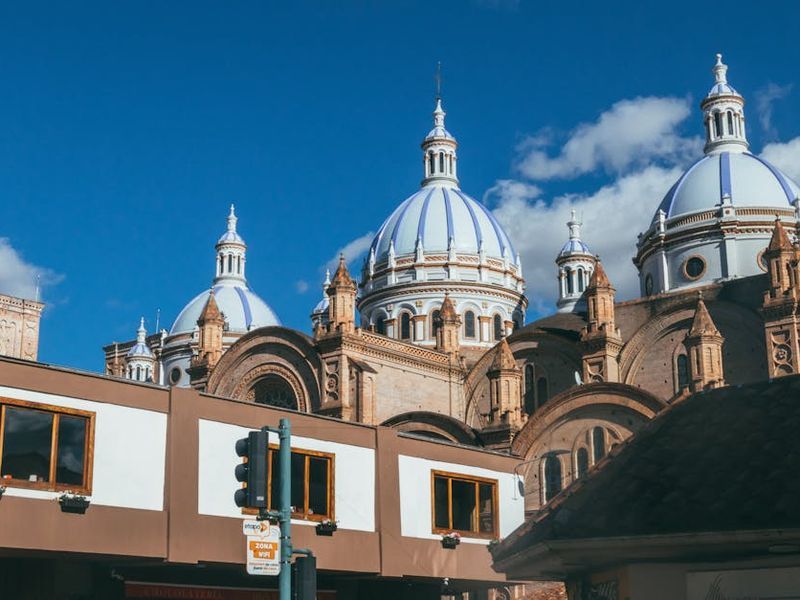
Cuenca’s piedra and river-lined streets, mild mountain climate, and compact historic center make it an appealing place to adopt a greener lifestyle. As an expat you can tap into everyday routines that reduce waste, lower energy use, and support local producers. This guide offers practical steps that fit life in Cuenca—whether you live in an apartment near Parque Calderón, a house in the suburbs, or a finca in the surrounding valleys.
Why Cuenca Is a Good Base for Sustainable Habits
At roughly 2,500 meters above sea level, Cuenca enjoys spring-like temperatures year-round, which reduces the need for energy-hungry heating or cooling. The city’s compact historic center (a UNESCO World Heritage area), walkable streets, and vibrant local markets make it easier to buy local, walk more, and rely less on large supermarkets and imported goods.
Local culture—centered on fresh produce, bakeries, and independent shops—also makes low-waste choices achievable. Add to that an active community of local NGOs, small farmers, and expat groups, and you’ll find plenty of opportunities to make an immediate ecological impact.
Reduce, Reuse, Recycle: Practical Waste Tips for Cuenca Residents
Understand local collection and sorting
Cuenca’s municipality offers waste collection services and there are increasing options for source separation. Start by learning your neighborhood’s garbage pickup schedule and whether recyclables are collected separately. Your local Municipalidad de Cuenca office or barrio committee can point you to the nearest ‘centro de acopio’ (collection center) for glass, cardboard, and metals.
Where to drop off recyclables
Look for municipal or NGO-operated drop-off points for plastic, paper, and glass. Neighborhood markets and larger shopping areas sometimes have recycling bins. If you have a larger quantity—old cardboard from a move, for example—ask the collection center about free drop-off times.
Reduce single-use plastic
- Carry a reusable water bottle and get a home filtration system—tap water in Cuenca is often safe after simple filtration, which cuts down the flow of single-use bottles.
- Say no to plastic bags and bring a small foldable tote or reusable shopping bag for purchases at mercados and tiendas.
- Buy bulk items where possible and transfer dried goods into your own containers.
Water, Filtration, and Saying Goodbye to Bottles
Many expats initially use bottled water out of habit, but switching to a countertop or under-sink water filter is an easy way to reduce plastic and long-term costs. Filters also make boiling unnecessary for everyday drinking water. If you rent, discuss installing a filter or using a pitcher filter you can take with you when you move.
For apartments, a filtered water dispenser with a refillable container is a practical compromise. If you’re buying water, seek larger refill stations where you can top up a 20-liter container rather than buying many small bottles.
Transportation: Move Around Without Driving Everywhere
Walk and bike the historic core
Cuenca’s center is delightfully walkable. Many expats save money and emissions by walking to markets, cafes, and cultural events around Parque Calderón and the Tomebamba riverbanks. Biking is also growing—invest in a good commuter bike and basic lights for the short, comfortable trips that are common in the city.
Use public transit and shared rides
Public buses reach most neighborhoods, and taxis remain inexpensive for occasional longer trips. Look for ride-share options and local taxi cooperatives if you need convenience without owning a car. If you do own a vehicle, consider carpooling with neighbors to the same part of town or to markets outside the city.
Energy Use in Your Home: Simple Efficiency Upgrades
Even minor changes can reduce electricity and gas use. Replace incandescent bulbs with LEDs (they’re widely available in hardware stores across the city). If you have hot water heaters or ovens, regular maintenance improves efficiency and safety.
Other easy wins include:
- Unplug chargers and electronics when not in use to avoid phantom loads
- Use pressure cookers and microwaves for faster cooking
- Install weather stripping on older windows and doors to minimize drafts
Note: Ecuador generates a significant portion of its electricity from hydropower, which lowers the carbon intensity of grid power compared to fossil-heavy grids—but efficiency still saves money and preserves local resources.
Food, Markets, and Supporting Local Agriculture
One of the easiest and most enjoyable ways to live greener in Cuenca is to buy from local markets. Wander the mercados early in the morning—many vendors sell seasonal fruits, vegetables, eggs, and local cheeses with minimal packaging. Shopping this way supports small producers, reduces food miles, and often costs less than supermarkets.
Find organic and bulk options
Look for weekly farmers’ stalls and neighborhood organic sellers for produce grown without heavy chemical inputs. Some tiendas and health-food shops offer bulk grains, nuts, and legumes; bring your own cloth bags or jars to refill and cut packaging waste.
Reduce meat consumption
Eating less meat lowers your personal environmental footprint and pairs well with Cuenca’s abundant vegetable, legume, and grain offerings. Explore markets for fresh local herbs and highland tubers to create flavorful, plant-forward meals.
Composting in the City: From Balcony Bins to Community Gardens
Organic waste is a major portion of household trash. If you have outdoor space, a small compost bin or tumbler will turn food scraps into garden gold. For apartment dwellers, consider a bokashi bin (fermentation system) or an indoor worm bin (vermicomposting) that controls smell and is compact.
If you don’t want to compost at home, connect with community gardens or local small farms that accept organic waste as compost material. Neighborhood Facebook groups or local expat pages often list people looking for green waste donations.
Small-Scale Urban Gardening: Grow What You Can
Cuenca’s mild climate is surprisingly friendly to container gardening. Even a sunny balcony can support herbs, lettuce, tomatoes, and microgreens. For those with access to a small yard or patio, raised beds or grow bags are easy to set up and maintain.
Practical tips:
- Start with fast-growing salad greens and herbs to get quick rewards
- Use recycled containers—wood crates, buckets, and old pots make great planters
- Collect rainwater where possible for irrigation to reduce municipal water use
Buy Secondhand, Repair, and Circulate Goods
Before buying new, explore secondhand shops, flea markets, and expat swap groups. Cuenca has a lively market of used furniture, kitchenware, and household goods—great for furnishing an apartment without new manufacturing impacts.
Learn a few basic repair skills or find a local craftsman to fix furniture and appliances. Repairing keeps items in use and supports local tradespeople and artisans, from carpenters to seamstresses.
Shop Smart for Household and Personal Care Products
Look for refillable soaps and eco-friendly cleaning products sold at health food stores or specialty shops. Many local stores now stock plant-based detergents and shampoos; read labels to avoid unnecessary chemicals. Buying in larger containers reduces packaging waste, and you can decant into smaller dispensers at home.
Engage with Community Efforts and Local NGOs
One of the fastest ways to deepen your green impact is to plug into local environmental initiatives. Volunteer for river clean-ups along the Tomebamba, help plant trees, or join a neighborhood recycling drive. These activities are great for meeting people and learning practical, place-specific knowledge about conservation in the Azuay province.
Municipal environmental offices and local NGOs often post events on community boards and social media channels; expat groups also frequently organize volunteer outings that welcome newcomers.
Conscious Renovations and Appliance Choices
If you’re planning a longer-term stay and want to make home improvements, choose locally produced materials and efficient appliances. Locally sourced tile, reclaimed wood, and Ecuadorian artisanship reduce transport emissions and support the regional economy. For appliances, look for modern, energy-efficient models and consider gas stoves for cooking, which are common in Ecuador.
Save Money While Going Green
Many sustainable choices pay for themselves. A water filter reduces bottle purchases, LEDs cut electricity bills, and a modest compost setup lessens trash collection fees. Use a simple tracking app or spreadsheet to monitor savings—sometimes the environmental choice is also the economical choice.
Quick Weekly Checklist for Green Living in Cuenca
- Refill water bottle and avoid buying small bottled water
- Shop at the market with reusable bags
- Separate recyclables and drop off bulk items at the collection center
- Compost food scraps or deliver to a community garden
- Walk or bike one extra errand instead of driving
- Unplug unused electronics and switch to LEDs if needed
Final Thoughts: Small Habits, Big Local Impact
Sustainable living in Cuenca doesn’t require a complete overhaul of your lifestyle. Simple, practical changes—buying at the mercados, refusing single-use plastics, composting, walking the historic center, and participating in neighborhood initiatives—add up quickly. As an expat you can both enjoy the city’s charms and strengthen local resilience by choosing low-waste, community-minded ways of living.
Start with two or three changes that feel manageable. As those habits stick, you’ll find more opportunities to green your life while deepening your connection to Cuenca’s people, markets, and natural surroundings.
Resources to Explore
- Check the Municipalidad de Cuenca website or local municipal office for waste collection schedules and recycling points
- Join Cuenca expat and neighborhood groups on social platforms to find swaps, donation drives, and volunteer events
- Visit local mercados early for the best seasonal produce and to meet small farmers
Cuenca invites you to try a greener rhythm—one that connects daily life to the city’s markets, rivers, and neighborhoods. With a few practical changes, living lightly here becomes not just possible, but deeply rewarding.