
Table of Contents
Why Cuenca is a great place to live sustainably
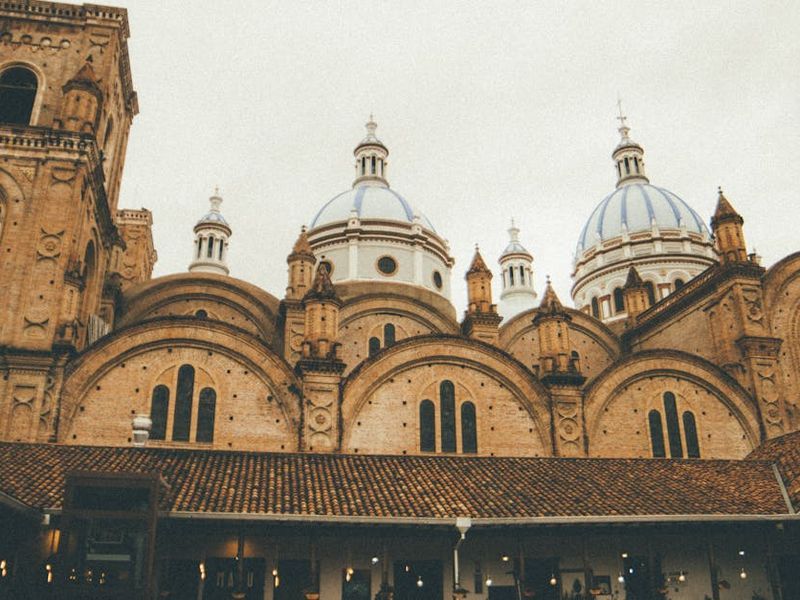
Cuenca’s mild climate, compact historic center and close access to páramo ecosystems make it one of Ecuador’s friendliest cities for low-impact living. At roughly 2,560 meters above sea level, the city rarely sees extreme temperatures, which makes heating and cooling needs smaller than in many places. The Tomebamba riverfront, tree-lined plazas and nearby Cajas National Park give residents daily reminders of why protecting the environment matters.
For expats building a green lifestyle here, practical choices — from how you shop to how you manage household waste — add up. This guide focuses on specific, achievable tips you can adopt immediately, plus local-flavored options you may not have discovered yet.
Choose a walkable neighborhood and minimize car use
Cuenca’s historic center (El Centro) and traditional barrios like San Sebastián and El Vergel are compact and easy to navigate on foot. If your life is centered on markets, cafés and social life in the Centro, you can dramatically reduce transport emissions by renting within walking distance.
Practical transport tips:
- Walk for short errands — many streets are safe and scenic, especially along the Tomebamba river promenade.
- Use the local bus network or shared taxis for longer trips. Ask neighbors or your landlord how bus routes work; many expats rely on buses for weekly markets.
- Cycle where you can. Bring or buy a robust bike with puncture-resistant tires — city streets can be cobblestoned in the Centro.
- Consider a motorbike or electric scooter for steep areas or when you need speed; keep safety gear and lights for night riding.
Smart energy use at home — small changes, big savings
Because Cuenca’s evenings can get chilly, think insulation before cranking up heaters. Improving how your apartment retains heat will reduce electricity or gas use and make your home more comfortable year-round.
- Seal drafts: use weatherstripping for doors and windows and install heavy curtains to trap warmth at night.
- Switch to LED bulbs — they use a fraction of the energy of incandescent bulbs and last much longer.
- Use efficient heating: electric blankets, wool throws and ceramic space heaters on a thermostat can be more energy-efficient than continuously running high-wattage heaters.
- Consider a solar water heater if you own your place or have landlord approval; abundant high-altitude sun makes solar hot water especially effective around Cuenca.
- Unplug chargers and appliances when not in use — many electronics draw standby power.
Water-wise habits for Cuenca apartments and houses
Although Cuenca sits near numerous water sources and Cajas supplies the regional watershed, responsible water use is important. Small habits help preserve resources during dry spells and reduce your water bill.
- Shorten showers and install a low-flow showerhead. A five- to eight-minute shower still feels hearty at Cuenca’s temperature range.
- Collect shower or sink water (graywater) for watering ornamental plants — avoid using graywater on edible plants unless treated properly.
- Fix leaks immediately; a slow drip can waste liters of water each day.
- When washing dishes by hand, fill one basin for soaping and one for rinsing instead of running the tap.
Manage waste: recycling, composting and thoughtful shopping
Waste reduction is one of the most powerful things any expat can do. Cuenca has informal recycling streams and a growing network of collection points; getting familiar with local systems will help you divert materials from the landfill.
Recycling basics
Start by separating paper, cardboard, plastics, glass and metals at home. Look for nearby “centros de acopio” (collection centers) where recyclables can be dropped off. Local recyclers, often called “recicladores”, also collect sorted materials daily in many neighborhoods — offer them your sorted recyclables and a friendly thank-you when you can.
Composting in urban spaces
Even small apartments can compost. Two popular apartment-friendly methods are:
- Bokashi: an anaerobic fermentation system that handles kitchen scraps including meat and dairy when sealed. The fermented material can later be buried in a garden or mixed with soil.
- Worm (vermicompost) bin: red wriggler worms convert fruit and vegetable scraps into rich compost. Use a small plastic tote with ventilation and keep bedding of shredded paper.
Tips: keep coffee grounds and eggshells — they’re great for compost or as houseplant additives. Avoid cooking oils and large bones in your compost bin.
Choose low-waste shopping habits
Shop at local mercados and vendor stalls where produce is sold loose; bring reusable produce bags and a market tote. Ask vendors politely for no plastic bag or for paper if you need a bag. Buying staples in bulk — rice, beans, cereal — trims packaging waste and saves money.
Where to buy green products and support local producers
Cuenca’s community of small producers and organic farmers is growing. Look for neighborhood organic markets and farm stands near the city outskirts. Buying locally-grown fruits, vegetables, cheese and panela reduces food miles and supports local livelihoods.
Other shopping tips:
- Seek out tiendas that sell refillable cleaning products or ask small stores if they have bulk options.
- Support clothing and craft makers in artisan markets — handmade items often use fewer industrial resources and last longer.
- Try eco-conscious cafés and restaurants that prioritize local ingredients; many will allow you to fill your reusable cup or container.
Gardening and green space: small-scale ideas for balconies and patios
If you have a balcony or small patio, you can grow herbs, salad greens and even dwarf tomato varieties. Container gardening reduces the need for packaged produce and adds biodiversity to urban areas.
- Start with compost-enriched potting mix and choose varieties suited to Cuenca’s climate — leafy greens, cilantro, oregano and mint thrive here.
- Use vertical planters or recycled containers to maximize space.
- Collect rainwater in a small barrel to water plants during dry spells, though be mindful of water quality and sealing to avoid mosquitoes.
Getting involved in community gardens is another route; these projects bring neighbors together, create green corridors and often need volunteers.
Protecting the páramo and Cajas — why your choices matter regionally
Cajas National Park and the surrounding páramo supply water to Cuenca and play a crucial role in carbon sequestration. Low-impact tourism, proper trail use, and supporting conservation initiatives all help protect these fragile highland ecosystems.
How you can help:
- Use reputable local guides when visiting Cajas and follow Leave No Trace principles.
- Support local conservation NGOs or community projects that restore páramo vegetation and monitor water sources.
- Reduce single-use packaging on day trips — carry your own water bottle, utensils and a snack kit.
Community engagement: volunteer, learn and connect
Joining local environmental groups is one of the fastest ways to learn practical tips and meet people. Look for volunteer tree plantings, river clean-ups along the Tomebamba or neighborhood recycling drives. Many expats find that volunteering opens doors to Spanish practice and a deeper sense of belonging.
Where to look for opportunities:
- Local municipal announcements and neighborhood notice boards.
- Expats’ social media groups — they often share volunteer events and green meet-ups.
- University groups and cultural centers that collaborate on sustainability projects.
Low-impact entertaining and cultural sensitivity
Hosting sustainably in Cuenca is simple: serve seasonal produce, use reusable plates and napkins, and compost food scraps afterward. If you’re gifting, choose locally-made items instead of imported goods to support the local economy.
Remember cultural norms around hospitality: many Ecuadorians value generosity and presentation. Blend eco-friendly choices with local customs — for example, serve traditional favorites like llapingachos or mote using fresh ingredients from a nearby market.
Transporting goods and traveling sustainably from Cuenca
When planning travel from Cuenca, favor buses over flights when possible — the regional bus network is extensive and comfortable for many routes. For weekend trips, consider group tours or shared shuttles to reduce per-person emissions.
For shipping goods or receiving purchases, consolidate deliveries and avoid expedited shipping unless necessary. If you import items, factor in the environmental cost and whether a similar local item could meet your needs.
Dealing with hazardous waste and electronics
Proper disposal of batteries, paints, electronics and fluorescent tubes is important. Contact municipal offices to learn about designated hazardous waste drop-off points or annual collection events. If you buy used electronics, consider repair shops in Cuenca’s commercial districts that can extend devices’ lifespans.
Practical green checklist for new expats
- Choose housing within walking distance of your daily needs.
- Switch to LED lighting and unplug unused electronics.
- Install low-flow showerheads and fix leaks right away.
- Start a small compost system (bokashi or worm bin) for kitchen scraps.
- Shop at local mercados with reusable bags and buy in bulk when possible.
- Support local producers and eco-conscious businesses.
- Volunteer for a local environmental project to connect and learn.
- Plan low-impact weekend trips and reduce single-use plastics on the go.
Final thoughts: small steps lead to meaningful change
Living green in Cuenca doesn’t require dramatic lifestyle upheavals. Start with a few easy changes — recycling properly, composting kitchen scraps, cutting down on car trips — and build from there. The city’s walkable neighborhoods, strong market culture and proximity to protected ecosystems make it an ideal place to develop sustainable habits that feel rewarding and practical.
As you learn local systems and meet neighbors, you’ll find that many green practices are also ways to integrate into community life. The result is a smaller footprint, a richer social life, and the satisfaction of helping preserve the natural beauty that makes Cuenca a special place to call home.