
Table of Contents
Why timing matters in Cuenca
Cuenca, Ecuador’s elegant highland city, sits at roughly 2,560 meters (about 8,400 ft). That elevation gives the city a mild, springlike climate year-round, but microclimates, rainy-season patterns, and local events can make some months better for certain activities. Picking the right time influences trail access in Cajas, birdwatching, festival experiences, and how comfortable you’ll be adjusting to altitude.
Quick climate snapshot: what to expect
Unlike many places with four distinct seasons, Cuenca’s year divides into drier and wetter periods. You’ll generally find sunny mornings and cloud build-up or showers in the afternoons during the wetter months. Temperatures are forgiving compared with lowland Ecuador: mornings and nights are cool and you’ll want layers, while afternoons are usually comfortable.
- Typical daytime highs: often in the high teens to low twenties Celsius (mid-60s to low-70s °F)
- Nights and early mornings: cool — expect single digits to low teens Celsius (40s–50s °F)
- Dry window: June through September tends to be the most consistently dry stretch
- Wettest months: commonly late fall through spring, with heavier rains at times
Best overall months to visit
If you want reliable hiking weather, clearer skies for photography and birdwatching, and fewer muddy trails, plan for June through September. These months are often the driest and they make Cajas National Park, nearby cloud forests, and outdoor markets easier to enjoy. However, that also coincides with a modest uptick in domestic tourism and slightly higher prices.
Month-by-month guide
January–February
These months are in the wetter half of the year, but rain patterns are variable. You can still enjoy the city with fewer tourists — museum visits, café culture and shopping in artisan towns like Chordeleg and Gualaceo are great. Carnival (usually in February or early March) can be lively in parts of Ecuador; if you’re interested in local celebrations, check the national calendar.
March–April
Expect more rain than in the peak dry months, but mornings frequently clear. Semana Santa (Holy Week) is often in March or April and draws Ecuadorians to Cuenca for processions and religious ceremonies — cultural immersion opportunities are excellent, though accommodations and transportation may be busier and pricier around the holiday.
May
May is a shoulder month. Rain starts to taper moderately as you head toward June, making May a smart choice if you want a balance of fewer visitors than summer and better odds of clear weather. Flower markets and local artisan fairs are still lively.
June–September
This is the classic “best weather” window. Trails in Parque Nacional Cajas are more accessible, birding is easier without constant downpours, and skyline views of the city and surrounding valleys are clearer. Expect more visitors and slightly higher prices, particularly in July and August when northern-hemisphere travelers take advantage of holidays. Book accommodations early if traveling mid-June through August.
October–November
October can be inconsistent — some dry days but more clouds. November brings cooler mornings and increasing rain. November 3 is an important date in Cuenca: the city celebrates its independence with parades and public events, so this is a fantastic time to experience local culture firsthand. Expect crowds during the festivities, and book early if you want to stay centrally.
December
Festive energy grows as locals decorate streets and squares. The tail end of the year sees more rain in many years, but short-term forecasts matter more than the month label. December is a wonderful time for culinary treats, artisan shopping, and enjoying warm cafés after a cool day of sightseeing.
Choosing dates by activity
What you want to do in Cuenca should guide your timing as much as the weather.
- Hiking and highland lakes: June–September when trails at Parque Nacional Cajas are less muddy and visibility is better.
- Birdwatching: Year-round, but drier months make logistics easier and cloud forest trails more accessible.
- Festivals and cultural events: Semana Santa (March/April), Independence celebrations (November 3), and local religious festivals — check the calendar before booking.
- Lower prices and fewer tourists: Shoulder months like May and October/early November offer a quieter experience with often favorable weather.
How crowds and prices change
Cuenca is smaller and calmer than Ecuador’s big cities, but it still has a tourist rhythm. Peak domestic travel occurs during holidays and school vacations, and international visitors often converge in June–August. If you travel in dry-season high points, you’ll benefit from excellent outdoor conditions at the cost of higher hotel rates. Conversely, the wet season brings lower prices, last-minute discounts, and a more local feel.
Practical tips for any season
No matter when you visit, a few practical measures will keep your trip smooth.
- Layer clothing: Mornings and nights are chilly; afternoons warm up. A light down jacket, a waterproof shell, and breathable layers work best.
- Plan for sun & rain: Sunscreen and a hat are important at high altitude, and a compact rain jacket will save the day when pop-up showers arrive.
- Acclimatize: Take it easy the first 24–48 hours to adjust to altitude. Stay hydrated and avoid heavy exertion until you feel comfortable.
- Footwear: If you plan to hike, wear sturdy shoes with good tread. Trails can be muddy or rocky even in the dry season.
- Water and food: Many visitors use filtered or bottled water initially. Cuenca’s food scene is lively — try local markets but stick to vendors who maintain clean practices if you’re cautious.
- Connectivity: Cuenca has good cell and Wi‑Fi coverage in town; buy a local SIM if you need constant data on day trips.
- Electricity and plugs: Ecuador uses 120V with plug types A and B (like the U.S.). Bring an adapter if your devices use a different plug.
Day-trip planning by season
Cuenca’s location makes it a great base for varied day trips. Seasonal conditions will influence what’s best to do.
- Dry months: Take full-day hikes in Cajas, birdwatch at dawn in nearby reserves, or explore Ingapirca ruins with clear views of the surrounding valleys.
- Rainy months: Focus on cultural activities — museums, historic center walking tours under a light umbrella, artisan towns where galleries and shops predominate, or cooking classes and coffee shops.
Where to stay depending on time of year
Neighborhood choice can enhance your experience:
- Historic center (Old Town): Ideal for first-time visitors who want to be steps from museums, restaurants, and Parque Calderón — handy in any weather.
- El Vergel or Yanuncay area: Great for quieter evenings and easy access to river walks; useful if you prefer a residential feel.
- Near the bus terminal or airport: Practical for short stops or early transport connections, especially when traveling during busy festival weekends.
Health, safety and accessibility
Cuenca is regarded as one of Ecuador’s safest cities for visitors, but normal travel common sense applies: watch your belongings in crowded areas, use licensed taxis or ride‑share apps, and avoid poorly lit streets late at night. Medical facilities in Cuenca are good for routine care; for outdoor excursions, carry a small first-aid kit and any necessary medications.
Photography and golden hours
Clearer skies in the dry months make for spectacular sunrise and sunset photography, particularly in viewpoints above the city or along the Tomebamba River. During wetter months, dramatic clouds and mist can produce moody and atmospheric images, especially in Cajas and nearby high-altitude valleys.
Sample itineraries by season
Three-day dry-season weekend (June–August)
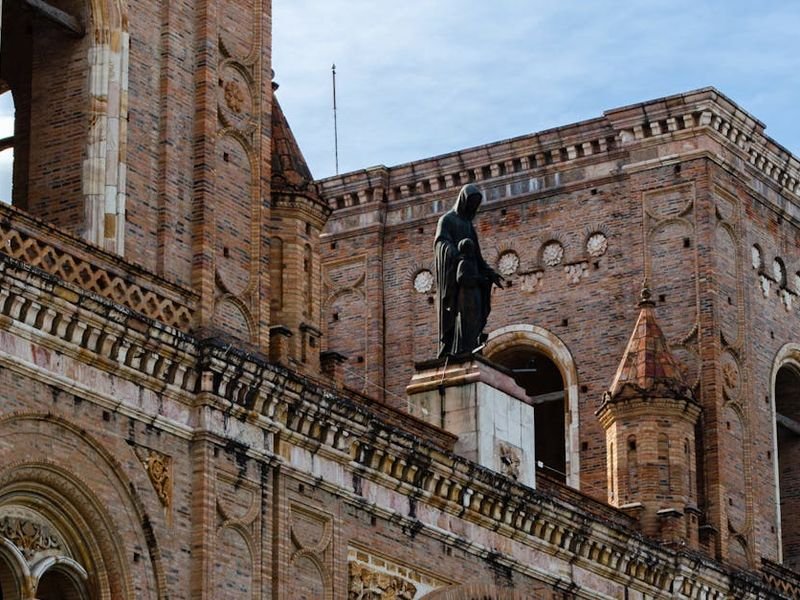
- Day 1: Walk the historic center, visit the cathedral, and enjoy dinner near Parque Calderón.
- Day 2: Full-day hike in Parque Nacional Cajas — lakes, birdlife, and highland scenery.
- Day 3: Morning visit to the Pumapungo Museum and artisan market in Chordeleg for jewelry shopping.
Three-day rainy-season escape (March–May)
- Day 1: Museum day — Pumapungo, Museo de las Culturas Aborígenes, and cafés in the Old Town.
- Day 2: Short morning trip to a local market and afternoon cooking class to learn Andean recipes.
- Day 3: Relaxed river walk and visit a craft workshop; catch a small concert or church procession if one is scheduled.
Final tips for timing your trip
Ultimately, the best time to visit Cuenca depends on what you want to do. If hiking, photography and birding top your list, target June through September. If you prefer fewer tourists, lower prices and a more local rhythm, try the shoulder months of May or October. For rich cultural immersion, align your visit with local festivals like Semana Santa or Cuenca’s Independence celebrations — just be ready for busier hotels and transport.
No matter when you go, Cuenca’s cobblestone streets, colonial architecture, and surrounding highland landscapes make it a memorable base for exploring southern Ecuador. Pack layers, plan a day to let your body adapt to the altitude, and leave space in your schedule for a spontaneous market or café discovery — those are often the best parts of a trip to this highland gem.