
Table of Contents
Why Quito to Cuenca Matters
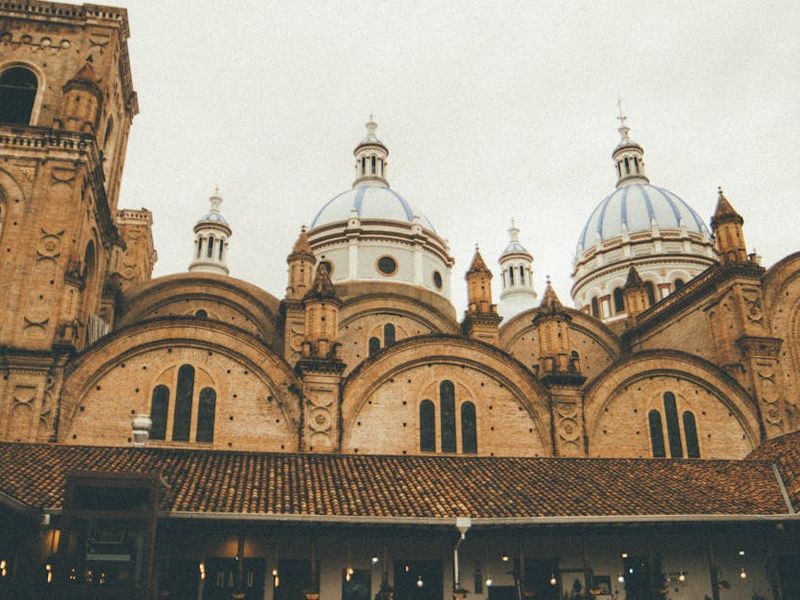
Quito and Cuenca are two of Ecuador’s cultural jewels. Quito, the highland capital, hums with colonial plazas and skyline views, while Cuenca enchants with cobblestone streets, painted domes, and a slower pace. Traveling between them is a common route for expats, digital nomads, and tourists — but the best way to go depends on your priorities: speed, budget, scenery, or flexibility.
Quick Overview: Distance, Time, and Typical Costs
Basic facts to anchor your planning:
- Road distance: roughly 460–490 km (285–305 miles) depending on the exact route.
- Typical driving time: 7–9 hours without long stops; mountainous terrain can add time.
- Bus time: generally 8–10 hours for direct services.
- Flight time: about 45–60 minutes in the air; door-to-door travel (including transfers and check-in) commonly takes 3–4 hours.
- Typical price ranges (subject to change): bus $12–$30, flight $60–$150, car rental $30–$80/day plus fuel.
Getting There by Plane
Flying is the fastest option in terms of time spent moving between airports. Quito’s Mariscal Sucre International Airport (UIO) operates flights to Cuenca’s Mariscal La Mar Airport (CUE).
Pros and Cons of Flying
- Pros: Speed; less fatigue; good option when you have limited time or want to maximize time in Cuenca.
- Cons: Airports are outside city centers (add transfer time), security and luggage processing add time, and flights are more expensive than buses.
Practical Tips for Flying
- Book early for better fares — domestic seats can sell out on holiday weekends.
- Allow at least 90–120 minutes for domestic departures at UIO to account for traffic to the airport, check-in, and security.
- From Cuenca’s airport to the city center, taxis and shuttle services are plentiful; the ride is typically 20–40 minutes depending on traffic.
- Pack layers: airports and planes can be chilly, while Cuenca’s highland climate can be cool and sunny.
Traveling by Bus
Buses remain the most popular and economical option for many travelers. They are frequent, fairly comfortable, and provide a ground-level view of the Andean landscapes.
Where Buses Depart and Arrive
In Quito most long-distance buses to the south leave from the Quitumbe Terminal (Terminal Terrestre Quitumbe) in the southern part of the city. In Cuenca buses arrive at the Terminal Terrestre de Cuenca, a short taxi ride from the historic center.
Types of Buses
- Standard interprovincial coaches: economical, with reclining seats and overhead storage.
- Semi-cama and cama buses: more legroom and bigger recline for overnight comfort.
- Executive buses: smaller groups, better amenities, sometimes onboard Wi‑Fi and snacks.
Timing, Costs, and Comfort
The Quito–Cuenca bus ride typically takes 8–10 hours. Night buses are popular because they save a night’s accommodation and you wake up at the destination, but expect winding mountain roads which can make sleeping difficult for some.
- Buy tickets at the Quitumbe terminal or reserve online through ticket platforms used in Ecuador.
- Check luggage rules — buses generally allow checked bags stored under the coach and a small carry-on.
- Bring water, snacks, motion-sickness remedies if you’re prone to dizziness on mountain roads, and a small travel pillow for comfort.
Scenic Stops Worth Considering
Traveling by bus provides opportunities to see towns and landscapes you would miss on a flight. Consider stopping in Ambato, Riobamba, or Alausí if you want to break the trip:
- Alausí — gateway to the famous Devil’s Nose train (Nariz del Diablo), one of Ecuador’s most dramatic rail experiences.
- Riobamba — an Andean town near Chimborazo for mountain vistas and local markets.
- Ambato — known for fruit and flowers, worth a coffee break if you have time.
Road Trip: Driving From Quito to Cuenca
Driving gives you the most freedom to explore at your own pace. The route is scenically varied and can be packed with stops such as highland markets, viewpoints, and archaeological sites.
Common Driving Routes
The most used roads generally follow the Pan-American/Interamericana corridor (E35) south through Ambato and Riobamba, then branch toward Alausí and descend into the southern sierra to Cuenca. Expect mountain driving with steep passes, switchbacks, and occasional fog or rain.
Driving Time and Conditions
- Allow 7–9 hours for the direct drive; plan extra time for stops or sightseeing.
- Road surfaces on main highways are usually in good condition, but secondary roads can be narrower and less maintained.
- Watch for trucks and buses on upslope sections where traffic slows.
Car Rental and Legal Tips
- Book a rental with a reputable company and verify what insurance is included. Consider supplemental coverage for peace of mind.
- Carry your passport, driver’s license, and rental paperwork. An International Driving Permit is helpful but often not required if you hold a valid home-country license; verify with your rental agency.
- Plan refueling stops; gas stations are common in towns but more sparse in between. Pay attention to diesel vs. petrol requirements if you rent a diesel vehicle.
- Keep local emergency numbers handy and avoid driving after dark in unfamiliar rural stretches.
Recommended Stops on the Drive
A self-drive trip lets you add memorable detours:
- Ingapirca — Ecuador’s largest Inca ruins, a worthwhile detour north of Cuenca in Cañar province.
- El Tambo and surrounding markets — small towns where you can sample local food and buy crafts.
- Cajas National Park — near Cuenca, a short detour for highland lakes, hiking, and birdwatching.
Safety, Comfort, and Practical Considerations
No matter the mode, a few practical tips can make your Quito–Cuenca transfer smoother.
Health and Altitude
Both Quito and Cuenca sit at high elevations (Quito ~2,850 m; Cuenca ~2,550 m). If you’re arriving from the coast or sea level, take it easy the first day, stay hydrated, and avoid heavy exertion until you acclimatize.
Luggage and Security
- Label bags and keep valuables in a carry-on you keep with you when taking buses.
- For car trips, use trunk space for larger luggage and keep doors locked when parked.
- In bus terminals and airports watch for pickpockets in crowded areas; use a money belt for passports and cash.
Money, Connectivity, and Taxis
- Bring some cash for smaller vendors and taxis; larger businesses accept cards in the cities.
- SIM cards and mobile data are widely available in Quito and Cuenca, making navigation easy with offline maps as a backup.
- Always use licensed taxis or official apps where available; confirm fares or ask the driver to use the meter.
Choosing the Best Option: Which One Fits You?
Here’s a simple guide to match travel mode with your priorities:
- If speed and convenience are top priorities: fly (ideal for tight schedules).
- If budget and local experience matter: take the bus (more affordable and immersive).
- If flexibility, detours, and scenic stops matter: rent a car and drive (best for slow travel and exploration).
Sample Itineraries
Two short sample plans to illustrate:
48-Hour Cultural Weekend (Fly)
- Day 1 morning: fly Quito–Cuenca, check into a hotel near Parque Calderón.
- Afternoon: explore the old town, visit the Cathedral and Tomebamba riverside.
- Day 2: morning at Museo Pumapungo, afternoon in El Cajas National Park; evening return flight or overnight stay.
Slow-Travel Route (Drive)
- Day 1: Depart Quito, stop in Riobamba for lunch and a quick mountain viewpoint.
- Day 2: Drive through Alausí, ride the Devil’s Nose train if schedules align, continue to Cuenca.
- Extra day: Visit Ingapirca ruins before settling into Cuenca.
Final Checklist Before You Go
- Check current timetables and book bus or flight tickets in advance, especially around holidays.
- Confirm pickup times and meeting points for transfers (airports are outside city center).
- Pack layers, snacks, and chargers; carry copies of important documents and a little cash.
- Consider travel insurance for cancellations or unexpected events.
Wrap-up: Make the Journey Part of the Experience
Whether you choose the speed of a flight, the economy and scenery of a bus, or the freedom of a road trip, the Quito to Cuenca corridor is more than a transfer — it’s an introduction to Ecuador’s varied highland landscapes and cultures. Match your choice to how you like to travel, plan a couple of stops, and you’ll arrive in Cuenca ready to explore one of the country’s most beloved cities.