
Table of Contents
Why the Southern Highlands Deserve a Spot on Your Ecuador Itinerary
The southern highlands of Ecuador combine colonial architecture, mountain lakes, vibrant artisanal markets and a surprising diversity of microclimates. From Cuenca’s UNESCO-listed historic center to Loja’s music-filled plazas and Vilcabamba’s mellow valley life, this region is ideal for travelers seeking culture, nature, and an easier rhythm of life. This guide covers practical travel steps, local tips and things to see and do in each place so you can plan a richer visit.
Quick orientation: geography, altitudes and seasons
These three destinations sit in Ecuador’s Andes but at different elevations and climates. Cuenca sits at roughly 2,550–2,560 meters (about 8,400 ft) and has cool, spring-like weather year-round. Loja is lower, around 2,060 m (6,760 ft), and tends to be a touch warmer and drier by comparison. Vilcabamba drops down into a verdant valley near 1,500 m (5,000 ft), giving it a subtropical, springlike climate that attracts retirees and wellness travelers.
The region experiences two general seasons: a wetter period (roughly December–May) and a dryer window (June–September). Microclimates are common—Cuenca can be cool and misty while Vilcabamba is sunny nearby—so pack layers and a light rain jacket.
Getting there and getting around
By air
Cuenca’s Mariscal La Mar Airport offers regular domestic flights from Quito and Guayaquil. Flights are quick (about 50–60 minutes) and are a good option if you want to save travel time. Loja is served by Catamayo (Ciudad de Catamayo) airport with limited domestic connections; schedule options vary by season.
By bus and car
Buses are the backbone of regional travel. Typical travel times: Cuenca to Loja by bus is about 3.5–4 hours; Cuenca to Vilcabamba (usually via Loja or by changing buses) can take 4–6 hours depending on connections. Expect passenger buses to be inexpensive—often in the $6–$12 range depending on service level. Private transfers and taxis cost more but are faster and more flexible if you’re traveling with gear or on a tight timeline.
Renting a car gives freedom to explore rural valleys and artisan towns at your own pace. Roads are generally good but can be winding in mountain sections; if you rent, choose a car with good brakes and be comfortable with altitude driving.
Cuenca: historic charm, modern comforts
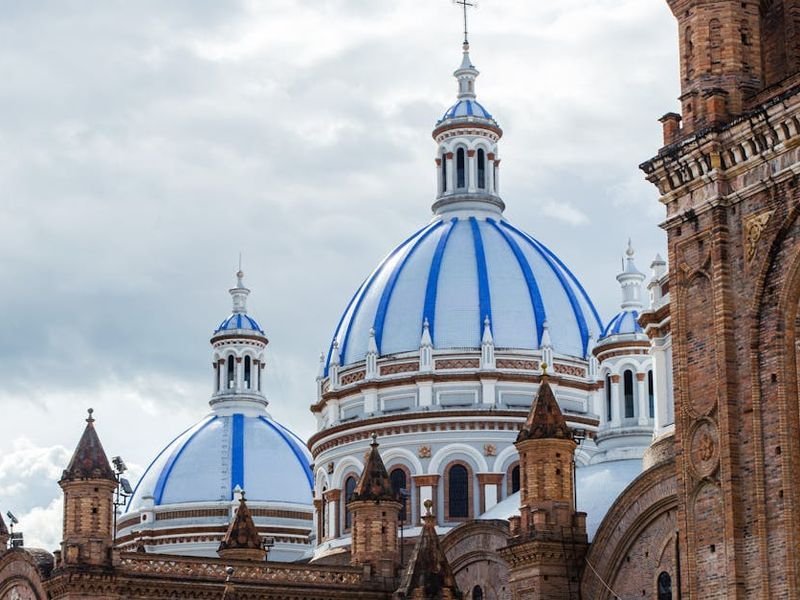
Cuenca is the region’s cultural hub and one of Ecuador’s most visited cities. Its historic center is a UNESCO World Heritage site anchored by the Parque Calderón and the striking Catedral de la Inmaculada Concepción (often called La Catedral Nueva with its blue domes). Wandering the cobblestone streets, you’ll find colonial churches, plazas, and riverfront promenades along the Tomebamba River.
Top sights and experiences in Cuenca
- Parque Calderón and the Catedral: the social heart of the city, great for people-watching and photos.
- Museo Pumapungo and adjacent archaeological gardens: learn about the region’s pre-Columbian history and enjoy quiet gardens with ancestral ruins.
- El Cajas National Park (day trip): a highland park of glacial lakes, páramo terrain and hiking trails—perfect for a full-day or overnight nature escape.
- Markets: Mercado 9 de Octubre and Mercado San Francisco offer fresh produce, traditional snacks and an authentic slice of daily life.
- Artisan towns nearby: Chordeleg (silver jewelry) and Gualaceo (textiles and local markets) are short drives away and ideal for shopping handmade goods.
Neighborhoods and where to stay
The Centro Histórico is convenient for first-time visitors: walkable, full of restaurants, museums and easy taxi access. For longer stays or quieter nights, look into neighborhoods like Yanuncay, near the river, or the more residential areas north of the center. Short-term rentals, hostels and boutique hotels range from budget to upscale—book in the high season (June–September) and around major holidays.
Practical tips for Cuenca
- Taxis: plentiful and affordable—always ask the price or ensure the meter is on; short rides typically cost $1–$3.
- Health care: Cuenca has reputable public and private hospitals, clinics with English-speaking staff and affordable dental care that many travelers use for extended stays.
- Food: try trout (a regional specialty), hornado (roast pork), and local soups; vegetarian and vegan options are growing in popularity across cafes and restaurants.
- Wi-Fi and co-working: cafes and hotels commonly offer reliable internet; there are a few co-working spaces catering to digital nomads and expats.
Loja: Ecuador’s cultural and musical heart
South of Cuenca, Loja is a compact city famed for its music, arts and slower pace. Its colonial center features pleasant plazas and tree-lined streets; the city has a reputation for artistic life—concerts, conservatories and local festivals are common. Loja makes a great base for exploring cloud forests, waterfalls and Andean foothills.
What to do in Loja
- Stroll the main plazas and visit local museums and small galleries focused on regional history and art.
- Explore nearby cloud forests and birding trails: the area is rich in biodiversity and a destination for birdwatchers.
- Attend a concert or local performance—Loja’s musical culture makes live music easy to find, especially during cultural weeks and holidays.
Practical tips for Loja
Accommodation and dining options are more modest than in Cuenca but very affordable. If you’re a fan of music or seeking cultural immersion, check local event calendars; small theaters and community centers often offer performances with minimal entrance fees. Loja’s markets are perfect for sampling local snacks and fresh coffee.
Vilcabamba: wellbeing, hiking and the “Valley of Longevity”
Vilcabamba sits in a lush valley and has long attracted visitors drawn to its pleasant climate, outdoor life and reputation for longevity. Today it’s a mix of local Ecuadorian communities, expat residents, yoga retreats and small guesthouses. The pace here is slow; mornings might include a market visit, afternoon hikes, and evenings spent dining al fresco.
Things to do in and around Vilcabamba
- Hike local trails like the Cerro Mandango area or trails leading to small waterfalls and viewpoints—many routes offer panoramic valley views.
- Visit the Sunday market for fresh fruits, local crafts and a taste of rural Ecuadorian life.
- Sample wellness offerings: yoga classes, massage therapists and naturopathic practitioners are commonly available for short treatments or retreats.
- Explore nearby small towns and coffee farms—coffee culture here is often more intimate than in larger tourist hubs.
Who will love Vilcabamba?
Visitors seeking outdoor activities, a mild climate and a slower pace often fall in love with Vilcabamba. It’s popular with retirees and long-term travelers who want community, sunshine and opportunities for walking and gardening. Nightlife is minimal, so come prepared to relax rather than party.
Sample itineraries
Here are a few trip ideas depending on how much time you have:
- Long weekend (3–4 days): base in Cuenca — day one in the historic center, day two El Cajas National Park, day three Chordeleg + Gualaceo market.
- One-week active trip: Cuenca (3 days), day trip to El Cajas, travel to Loja (2 days) for music and local hikes, finish with two days in Vilcabamba for relaxation and wellness.
- Two-week slow travel: spend a week living in Cuenca (explore neighborhoods, healthcare, language classes), then a week in Vilcabamba to relax, hike and meet local producers.
Budgeting and cost expectations
Costs vary widely by travel style. Rough estimates:
- Budget traveler: $30–50 per day (hostels, public buses, street food).
- Comfort traveler: $60–120 per day (mid-range hotels, meals at local restaurants, some private transport).
- Long-term expat living: many report comfortable living around $800–$1,800 per month depending on housing and lifestyle choices—Cuenca tends to be slightly more expensive than smaller towns like Loja or Vilcabamba.
Keep in mind that private medical care, international schools, imported goods and frequent domestic flights will increase costs.
Safety, health and practical tips
Safety
The southern highlands are generally safe for travelers. Street crime exists in cities like anywhere—use common-sense precautions: keep valuables out of sight, use reliable taxi services after dark and ask your accommodation about safer neighborhoods. Petty theft is more common than violent crime.
Health and altitude
Altitudes here can affect travelers. Cuenca’s altitude (about 2,560 m) can cause mild breathlessness and fatigue for some; Vilcabamba’s lower elevation eases symptoms. Move slowly your first day, stay hydrated and avoid heavy exertion until you feel adjusted. Clinics and hospitals are available in Cuenca and Loja—carry travel insurance and copies of important documents.
Connectivity and money
Ecuador uses the US dollar, which simplifies budgeting. ATMs are common in cities; smaller towns may have limited access. Pick up a local SIM card (Claro and Movistar are the largest carriers) for data—coverage is good in cities and main roads but patchy in remote mountain areas.
Local etiquette, language and cultural notes
Spanish is the primary language. While you can find English speakers in tourist areas, learning basic Spanish phrases goes a long way and opens doors to conversations with locals. Ecuadorians are generally warm and polite—greeting with a handshake or brief kiss on the cheek in social settings is common. Tipping isn’t mandatory but is appreciated; rounding up taxi fares and leaving 10% in restaurants is common for good service.
Packing checklist and final recommendations
Essentials for the southern highlands:
- Layered clothing: breathable base layers, a warm fleece or sweater and a waterproof shell.
- Comfortable walking shoes and a light daypack for hikes or markets.
- Sunscreen and sunglasses: the sun can be strong at altitude even when it’s cool.
- Reusable water bottle and water purification tablets for remote hikes.
- Basic first aid and altitude remedies if you’re sensitive (coca tea is commonly used locally to ease altitude symptoms).
Plan to move slowly between towns if you’re sensitive to altitude changes and enjoy extra time in each place. Allow at least a few nights in Cuenca to absorb the city’s pace and another few days to unwind in Vilcabamba or explore Loja’s cultural offerings.
Final thoughts
Ecuador’s southern highlands balance culture, nature and a welcoming lifestyle. Cuenca’s colonial charm makes it the region’s anchor—great museums, a lively expat scene and easy access to hikes and artisan towns. Loja is a quieter cultural gem for music and cloud-forest explorations. Vilcabamba invites you to slow down, hike and recharge in a balmy valley. Whether you’re passing through or planning a long stay, this trio offers a rich variety of experiences for any traveler.
Use this guide as a starting point: book strategically, leave space for spontaneous detours, and you’ll discover why many visitors return to the southern highlands again and again.