
Table of Contents
Welcome to Cuenca: Why where you stay matters
Cuenca, Ecuador’s UNESCO-listed colonial jewel, is small enough to explore on foot yet large enough to offer a wide range of accommodations. With tree-lined plazas, rivers that wind through the city, and a pleasant highland climate (about 2,560 meters elevation), choosing the right neighborhood and lodging can shape your experience—whether you want rooftop views of the Catedral Nueva, an intimate boutique stay in a restored mansion, or a friendly budget hostel where you can meet other travelers.
Quick overview: Cuenca neighborhoods and what they offer
Before we dive into specific budget tiers, it’s helpful to know the character of Cuenca’s main districts. Each offers different advantages depending on what you want to do.
- Centro Histórico / Parque Calderón: Heart of the old city. Ideal for first-time visitors; close to museums, cafés, and the cathedral.
- Tomebamba riverbanks & El Barranco: Scenic walks along the river, charming houses and small hotels on narrow streets.
- Calle Larga & San Roque: Lively food scene and nightlife, good mid-range hotel options and hostels.
- San Sebastián: Bohemian vibe with artisan shops and quieter plazas; good for boutique guesthouses.
- Turi: A short taxi ride uphill; panoramic views over the city and several mid-range hotels geared to tourists.
- Ricaurte / Yanuncay: Residential areas with practical apartment rentals for longer stays.
Luxury and boutique stays: Splurge responsibly
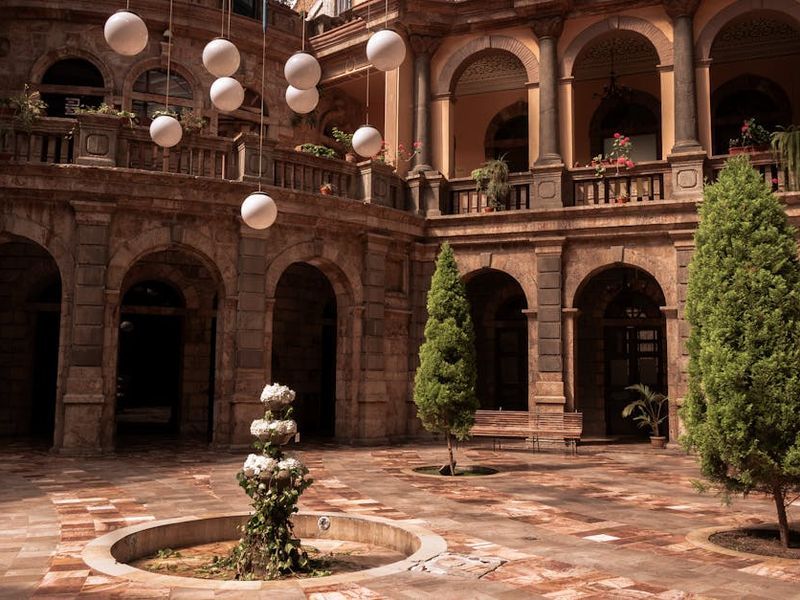
If you want charm, history, and service, Cuenca has boutique hotels tucked into restored colonial mansions with high ceilings, arched doorways, and courtyards. These properties often feature rooftop terraces, small spas, and on-site dining that uses local ingredients like Andean cheeses, fresh fruit, and regional coffee.
Price range: expect to pay roughly $100–$250 per night depending on season and amenities.
What to look for:
- Rooms with views of Parque Calderón or the Tomebamba rivers for a quintessential Cuenca postcard feel.
- Historic features (tile floors, original woodwork) plus modern comforts (fast Wi‑Fi, reliable hot water).
- On-site breakfast included—many boutique hotels serve generous spreads of fruit, fresh-squeezed juice, and local pastries.
Tip: Book a room on an upper floor or with a balcony to enjoy morning light and cathedral views—these sell out quickly during high season.
Mid-range hotels: Comfort without the premium price
For travelers seeking a balance of comfort and value, mid-range hotels and small chain properties are abundant. They tend to offer private bathrooms, air or heating where needed, and convenient locations within walking distance of main attractions.
Price range: typically $45–$100 per night.
Why mid-range works well in Cuenca:
- Many mid-range options are in renovated colonial buildings, giving you local flavor without the boutique price tag.
- Good choices for families because rooms are larger and hotels usually provide breakfast and laundry services.
- Often centrally located near restaurants and public transport for easy day trips to nearby markets and ruins.
Budget hotels and guesthouses: Small, local, and comfortable
If you prefer quieter, family-run places that offer a local touch, look for casas de huéspedes and budget hotels. These are frequently run by local families and include a simple breakfast and personal recommendations for city activities.
Price range: $20–$50 per night for private rooms; sometimes lower in the off-season.
What to consider:
- Check reviews for hot water reliability—at higher altitudes, water pressure can be variable.
- Many small guesthouses require cash payment or have limited card facilities; keep some US dollars on hand.
- These properties often have great local tips—hosts can arrange market visits, laundry, and taxi bookings.
Hostels and budget dorms: Social stays and wallet-friendly options
Backpackers and solo travelers will find a lively hostel scene in Cuenca. Hostels are clustered around the Centro Histórico and Calle Larga, and they range from large party-hostels to quiet, artsy spots.
Price range: dorm beds $6–$18 per night; private rooms in hostels $20–$45 per night.
Features to expect:
- Communal kitchens, social areas, and organized activities like walking tours, pub crawls, or day trips to nearby onsight attractions.
- Lockers and 24-hour reception at larger places; smaller guesthouses may have limited hours.
- Hostel owners often partner with local guides for day trips to Cajas National Park or Ingapirca ruins—book early in high season.
Long-term stays and apartment rentals: Living like a local
Staying for weeks or months? Renting an apartment or arranging a long-term guesthouse stay gives you access to a kitchen, laundry, and a base to explore neighborhoods more deeply. Monthly rates vary a lot depending on furnishings and area, but modest one-bedroom apartments in residential zones can start around $350–$600/month while nicer furnished units near the center range $700–$1,200/month.
Where to look:
- Ricaurte and Yanuncay for more affordable, quieter long-term options.
- Calle Larga and San Sebastián for a balance of amenities, cafés, and transport links.
- Short-term rentals and local rental agencies often require a security deposit and a month-to-month arrangement; always view the unit first when possible.
Family travel: Rooms and neighborhoods to favor
Traveling with kids? Choose ground-floor rooms, central locations, and accommodations with breakfast or kitchen facilities. Boutique and mid-range hotels around Parque Calderón make it easy to stroll to museums, parks, and plazas. If you prefer quieter nights, the riverbank neighborhoods like El Barranco offer calmer streets and scenic walks.
Safety and convenience tips for families:
- Request rooms with adjoining doors or family suites to keep everyone together.
- Confirm availability of cribs or extra beds ahead of arrival; smaller hotels may have limited inventory.
- Look for properties that include breakfast to simplify mornings and reduce total daily costs.
When to visit and how booking timing affects prices
Cuenca is a year-round destination thanks to its mild mountain climate, but there are peak periods when demand (and prices) increase. Semana Santa (Holy Week) draws many local and international visitors, and early November often has city celebrations and festivals that attract crowds.
Booking tips:
- Reserve 4–6 weeks in advance for mid-range and boutique hotels during festival periods; hostels may also fill up but often have some dorm options.
- Visit during shoulder season (April–May or September–October) for fewer crowds and better rates without compromising weather.
- If you need a specific room type (balcony, corner suite, family room), book early—those rooms tend to sell out first.
Transport: Getting to Cuenca and around town
Cuenca’s airport, Mariscal Lamar (CUE), is a short taxi ride from the city center—typically 20–30 minutes depending on traffic. Many hotels can arrange airport pickup for a small fee; confirm the price beforehand. If you arrive by long-distance bus, main terminals connect easily to taxis or city buses.
Tips for moving around:
- Taxis are inexpensive; agree on a fare before you leave or use the meter in more reliable companies. Ride-hailing apps are available but less ubiquitous than in larger cities.
- Cuenca is very walkable, especially in the Centro Histórico. Pack comfortable shoes for cobblestone streets.
- For day trips (Cajas National Park, Ingapirca), many hotels and hostels can help you arrange a guided tour or private transport.
Practicalities: Money, safety, and health
Ecuador uses the US dollar—carry some cash for markets and smaller guesthouses. Cards are widely accepted at hotels and larger restaurants, but smaller shops and taxis may prefer cash. ATMs are common in town, though it’s wise to use ones inside banks or hotels for added security.
Health and safety pointers:
- Cuenca is generally safe for tourists; normal precautions (watching belongings in crowds, avoiding poorly lit streets late at night) are enough.
- Altitude (about 2,560 m) can affect some visitors—plan a slow first day if you’re coming directly from sea level, and drink plenty of water.
- Many hotels post emergency contacts and can help locate pharmacies, clinics, or doctors if needed.
How to choose a place that feels right
Use these quick checkpoints when choosing your lodging:
- Location: Do you want to be in the tourist heart or a quieter neighborhood?
- Amenities: Is breakfast, laundry, or airport pickup important to your stay?
- Atmosphere: Are you after historic charm, boutique design, or a social hostel vibe?
- Reviews: Recent traveler reviews are invaluable—look for consistent comments about safety, hot water, and cleanliness.
Also consider contacting the property directly to ask about specific needs—many smaller places are family-run and happy to customize a stay or advise on local travel tips.
Money-saving strategies without sacrificing comfort
You don’t have to compromise comfort to save money. Consider splitting your trip: stay a few nights in a central boutique hotel to soak in the historic core, then move to a budget guesthouse or apartment for the remainder. Booking platforms often offer free cancellation; use that flexibility to secure good rates early and rebook if prices drop.
Other saver tips:
- Look for properties that include breakfast—this can easily save $5–$10 per person per day.
- If you plan to cook, rent an apartment with a kitchen—local markets are affordable and fun to explore.
- Travel mid-week if your schedule allows—weekend and festival prices are often higher.
Final words: Make your stay part of the experience
Your choice of stay in Cuenca can add a historical, social, or restful layer to your trip. Whether you’re waking up to cathedral bells on a hotel balcony, sharing travel stories in a hostel common room, or living like a local in a rented flat, the city rewards curiosity. Prioritize location, check the small practical things (hot water, Wi‑Fi, breakfast), and book early for the best rooms during festivals. With thoughtful planning, you’ll find accommodation that fits your budget and enhances your time exploring Cuenca’s winding streets and cultural richness.
Ready to start searching? Narrow your list by neighborhood, prioritize the amenities that matter most, and don’t forget to enjoy a slow morning stroll along the Tomebamba—Cuenca’s best experiences often begin right outside your door.