
Table of Contents
Why choosing the right neighborhood matters in Cuenca
Cuenca’s charm is concentrated in compact neighborhoods, and where you stay shapes your entire trip. The Centro Histórico (Historic Center) is the heart — cobblestone streets, colonial churches, museums and the Tomebamba River. San Sebastián and El Vergel are quieter residential areas a short walk from downtown. For a more local feel, look toward Monay or Miraflores for mid-range options and easy market access. Think about what you’ll do: museums and nightlife, slow strolls along the river, day trips to Cajas National Park, or long-term remote work. Each need points to a slightly different area and type of lodging.
How Cuenca’s climate and pace affect accommodation choices
Cuenca sits at about 2,500 meters (8,200 ft) above sea level and has a spring-like climate year-round. Nights can be cool, so check heating or hot-water reliability if you’re sensitive to cold. The city is very walkable, but steep streets mean stairs for some hotels. If mobility is an issue, search for places advertising “ground floor” or elevators. Also remember the rainy season (roughly December–May) when you might prefer a room with a reliable hot shower and covered entrances.
Luxury and boutique stays: colonial atmosphere and modern comforts
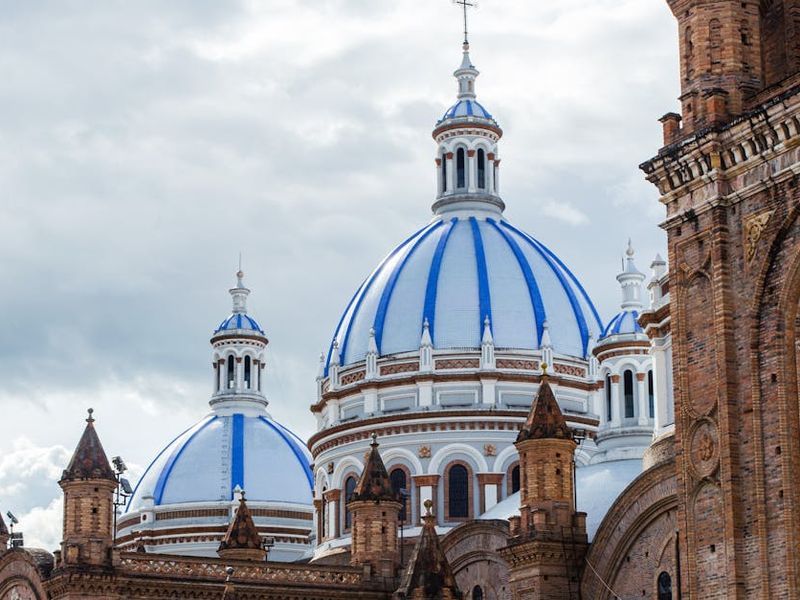
If your budget allows, consider a boutique hotel in the Centro Histórico with a restored colonial façade. These properties often feature exposed wooden beams, courtyards, and rooftop terraces with views of the cathedral. Look for amenities such as on-site dining, concierge services for day trips to Cajas, and rooms with double-pane windows to keep the cool air out at night.
What to expect at this level: 4–5 star service, daily housekeeping, breakfast included, airport pickup on request, and multilingual staff. Prices vary by season but plan on USD 90–220 per night for the best boutique or luxury options.
Practical tip
Many higher-end hotels offer charming extras like in-room humidifiers, laundry service, and partnerships with guided tours. If you’re visiting during a festival (Independence celebrations in early November or Semana Santa), book months ahead as top properties fill early.
Comfortable mid-range hotels: the balance of value and convenience
Mid-range hotels are plentiful in Cuenca and are ideal for families or travelers who want comfort without a luxury price tag. These properties typically include private bathrooms, reliable hot water, a modest breakfast, and help arranging taxis or tours. Many are within a 10–20 minute walk of Parque Calderón and the cathedral.
Price guide: USD 40–90 per night. You’ll see both modern chain-style hotels and converted old houses with simple, clean décor. Look for air conditioning or heaters listed if nights are important to you.
Neighborhood suggestions
- Centro Histórico — best for first-time visitors who want to be in the center of action.
- San Sebastián — quieter evenings and still within walking distance of sights.
- El Vergel — a good compromise between residential calm and central access.
Budget hotels and guesthouses: comfort without breaking the bank
Budget travelers will find plenty of small hotels (hostales and hospedajes) that serve hot breakfasts and provide private rooms for USD 20–45 per night. These are usually family-run with personal service, local tips, and Spanish-only staff in some cases — a great way to practice the language.
What to check before booking: confirm if taxes are included (Ecuador uses the US dollar and lodging often includes IVA), ask about hot water reliability, and verify if towels and linens are provided. Many small guesthouses also offer inexpensive laundry service and can help arrange airport transfers or bus tickets.
Hostels and shared accommodation: social stays for backpackers
Cuenca’s hostels are lively and well-suited for single travelers or digital nomads on a budget. Expect dorm beds from USD 8–18 per night and private rooms for USD 25–45. Hostels often include free Wi‑Fi, communal kitchens, and social events like walking tours or pub nights.
Look for these hostel features:
- Security lockers and keycard access
- 24-hour reception or clear late-check-in policies
- Workspace or stable Wi‑Fi if you plan to work remotely
- Kitchen facilities to save on food costs
Hostel locations vary: some are right on the Plaza Calderón and perfect for nightlife; others are a peaceful walk away along the Tomebamba, better for early mornings and longer stays.
Long-term stays, apartments and Airbnbs
If you’re staying in Cuenca for weeks or months, an apartment rental gives you kitchen facilities, more storage, and a local neighborhood experience. Monthly rentals can be very affordable compared to North American or European rates, with basic one-bedroom apartments from USD 350–700 per month depending on location and utilities.
Tips for long-term renters: verify internet speed (ask the host for a recent speed test), check included utilities (water, electricity, gas), and ask about building security. If you’ll be here during the rainy season, prioritize a unit with good natural light and proper drainage on balconies.
Family-friendly and accessible options
Traveling with kids? Look for hotels that advertise family rooms, cribs, or connecting rooms. Many mid-range hotels can add an extra bed and offer kid-friendly breakfast options. Parks and playgrounds near the historic center make it easy to keep kids entertained within walking distance.
For accessibility, search explicitly for elevators, ramps, and ground-floor rooms — older colonial properties often have stairs and uneven floors. Ask the hotel about room layout before booking if mobility is a concern.
Pet-friendly stays and special needs
Bringing a pet? Several guesthouses and rental apartments welcome small dogs, often for a modest additional fee. Confirm pet policies — including any breed or size restrictions — and ask whether there’s nearby green space for walks. For allergies or sensitivities, request nonsmoking rooms and hypoallergenic bedding when possible.
How to get from the airport and around the city
Cuenca’s Mariscal La Mar (Lamar) Airport sits about 20–30 minutes from the historic center by taxi. Many hotels offer shuttle pickup for an extra fee; otherwise, official airport taxis have fixed rates and are a safe option. Within the city, taxis are cheap and plentiful — always agree on fare if the meter isn’t used. For short trips downtown, walking is often the fastest way to enjoy the city’s narrow streets.
For day trips to Cajas National Park, Ingapirca ruins, or nearby hot springs, ask your hotel or hostel to book a trusted guide or transport. Group day tours can be economical and take the stress out of logistics.
Booking tips and how to save money
- Book early for high season and festival dates. Cuenca’s best properties fill up early for November Independence celebrations and Semana Santa.
- Compare prices across platforms (booking sites, direct hotel websites, and Airbnb). Sometimes small guesthouses offer the best rates by phone or email.
- For stays of a week or longer, ask about weekly or monthly discounts — many mid-range hotels and hostales are flexible.
- Check cancellation policies and whether taxes are included. Ecuador uses the US dollar so you’ll avoid conversion surprises, but always confirm final totals including IVA.
- When in doubt, message the property with specific questions about noise, heating, and late check-in — local response will give you a sense of service quality.
Safety, local customs and practical advice
Cuenca is widely regarded as one of Ecuador’s safest cities, but take normal precautions: keep valuables secure, avoid poorly lit streets late at night, and use registered taxis when returning late from events. Emergency services use 911. Spanish is the dominant language; even basic Spanish phrases go a long way and may earn friendlier service in smaller guesthouses.
Tipping is appreciated but not mandatory — rounding up taxi fares, leaving small change for a porter’s help, or tipping 10% in restaurants for good service is common practice.
Sample itinerary-friendly lodging suggestions
Plan your stay around what you want to do. Here are quick pairings to help narrow choices:
- Museum- and cathedral-focused weekend: boutique hotel or mid-range in Centro Histórico, within 5–10 minutes of Parque Calderón.
- Hiking Cajas and nature: pick a mid-range hotel with tour partnerships or stay near the bus terminal for early departures.
- Slow cultural immersion: family-run guesthouse in San Sebastián, with home-cooked breakfast and local tips.
- Budget backpacking and nightlife: hostel near the Tomebamba or Plaza for social evenings and easy bar access.
- Long remote work stay: apartment in Miraflores or Monay with stable internet and a kitchenette.
Final checklist before you book
- Confirm the exact neighborhood and distance to the places you’ll visit most.
- Verify hot water, heating, and Wi‑Fi speed if they are important to you.
- Check cancellation and payment policies (many places accept cash in USD or cards).
- Ask about airport pickup, luggage storage, and late arrival options.
- Read recent guest reviews for up-to-date signals on cleanliness, service, and noise levels.
Wrap-up: pick what fits your trip, not just your budget
Cuenca has an option for every travel style — from high-end boutique hotels inside restored mansions to friendly hostales that feel like family homes. Prioritize location, practical amenities (hot water, heating, Wi‑Fi), and host responsiveness. With thoughtful planning you can enjoy the city’s plazas, river walks and markets without stressing about logistics. Whatever your budget, choose a place that supports the kind of trip you want: active sightseeing, slow cultural immersion, or a comfortable home base for remote work.
Buen viaje — and don’t forget to leave time in your itinerary for an unplanned afternoon roaming the Tomebamba and discovering a café you’ll want to return to.