
Table of Contents
Why Cuenca’s markets are worth exploring
Walking into one of Cuenca’s markets is like stepping into the city’s heartbeat: farmers from the surrounding highlands, family vendors, and skilled artisans converge to sell fresh food, woven textiles, leather goods, tagua jewelry and the ever-present Panama hat. What makes these markets exceptional is geographical variety — Cuenca sits in an Andean valley with access to mountainous microclimates, nearby cloud forest, and coastal produce transported overnight — so you’ll find an astonishing range of fruits, tubers and local specialties year-round.
Mercado 10 de Agosto: the city’s central food market
Mercado 10 de Agosto (often called the Mercado Central) is the place to head for raw materials and everyday staples. It’s a vast, multi-level market with stalls that change character throughout the day. Mornings are dominated by farmers and wholesalers selling boxes of produce; later you’ll see prepared-food counters, small eateries and housewares.
What to look for: colorful heirloom potatoes, llapingacho ingredients (potatoes and cheese), fresh corn (choclo), tree tomatoes (tomate de árbol), uchuva (golden berries), seasonal mangoes and avocados, and a wide variety of regional cheeses. There’s also a lively flower section and traditional meat and fish stalls.
Practical tips: arrive early (6–9am) for the freshest selection and best prices, bring small bills and reusable bags, and if you want to cook, ask vendors for suggestions about ripeness and storage — they’ll happily advise on when to eat fruit and how to prepare local vegetables. Most stalls are cash-only, although a few vendors accept cards for higher-value purchases.
Artisans around Parque Calderón: handmade goods in the historic center
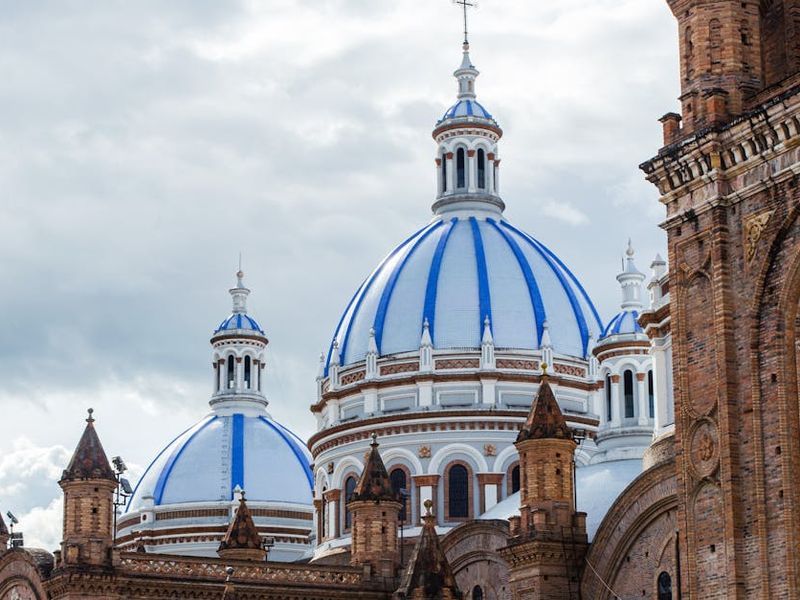
A short walk from Cuenca’s cathedral, the artisan stalls around Parque Calderón and on nearby streets are ideal for shoppers seeking finished crafts: handwoven scarves, alpaca and sheep-wool sweaters, hand-stitched leather goods, silver filigree jewelry, and tagua (vegetable ivory) pieces. These stalls are tourist-friendly while still supporting small local workshops.
What to buy: a lightweight alpaca shawl for cool evenings, a woven belt or poncho in traditional patterns, small tagua earrings that make lovely, affordable souvenirs, and genuine filigree silver — look for the fine wire work and ask about hallmarks if you want higher-quality silver.
Quality checks: examine stitching on textiles, check seam reinforcements on leather, and rub a little water on fibers to see if colors run (good dyes should be colorfast). Don’t hesitate to ask the artisan where the materials come from — many will be proud to tell you about local alpaca farms or regional weaving traditions.
Neighborhood farmers’ markets and pop-ups: seasonal treasures
Outside the central market and the artisan stalls, weekly neighborhood markets and occasional pop-up farmers’ markets are where locals bring specialty items: organic produce, heirloom grains, artisan cheeses, homemade panela, and fermented products like yogurt or kombucha. These markets rotate through districts and are often held on weekend mornings.
What to expect: smaller-scale, often organic offerings and direct interaction with producers. You’ll find sweet and tart passionfruit (maracuyá), babaco (a papaya-like fruit), papaya, naranjilla (little orange fruit used in juices), and seasonal tropical goods that travel from lower-altitude farms. High-elevation items like native potatoes and mountain-grown herbs may come straight from the nearby páramo.
Pro tip: Ask hotel concierges or local Facebook groups for current schedules — neighborhood markets change with the season and sometimes move after holidays or municipal events.
Specialty markets: textiles, hats and jewelry
Cuenca has a long-standing tradition of textile and hat craftsmanship. While the iconic Panama hat actually originates on the coast, Cuenca is an important regional center for finishing, shaping and selling hats. Look for workshops where brim shaping and finishing are done by hand.
Textiles range from machine-knitted tourist items to handwoven pieces produced by artisan cooperatives. If you’re serious about quality, seek out shops that disclose fiber content (alpaca versus synthetic blends) and provide care instructions. A real alpaca garment will feel warm but light; the fiber is finer and less prickly than regular sheep’s wool.
How to choose fresh produce like a local
Selecting the best fruits and vegetables comes down to a few simple sensory checks. For tomatoes and avocado, a gentle squeeze reveals ripeness. For tree tomatoes and passionfruit, look for fragrant skin and slight give. Potatoes should be firm without soft spots. For leafy greens, prefer vivid color and limp-free stems. Many vendors will let you taste small samples — take advantage of that to find the sweetest mango or the most aromatic herb.
Weight and price: vendors often sell by the kilo or by piece. If you’re buying a lot, ask for a discount — a polite negotiation of 10–20% is normal in many stands, though it’s wise to start with a small, friendly counteroffer. Remember that Ecuador uses U.S. dollars, which simplifies payments for many international visitors.
Eating at the markets: a culinary detour
Market food is among the best ways to taste regional dishes affordably. At Mercado 10 de Agosto you’ll find stalls serving hornado (slow-roasted pork), fritada (fried pork), caldo de patas (cow’s foot soup), and bowls of locro de papa (creamy potato soup). For breakfast, hunt for humitas (steamed corn cakes), empanadas de viento (cheese-filled, puffy empanadas) and freshly made bread.
Street-food hygiene varies; choose stalls with a steady local clientele and visible cooking practice. Hot food prepared freshly in front of you is usually a safe bet. Pair your meal with a glass of freshly squeezed juice — naranjilla and tree tomato juices are local favorites — or try a cup of Ecuadorian coffee.
Transporting and storing your purchases
If you’re shopping for bulk produce or fragile crafts, plan ahead. Small taxis can carry boxes or market bags — ask the driver if they’re willing to help load larger items. For fragile craft items like ceramics or hats, carry them in soft bags and pack them between clothes if you’re traveling onwards. Refrigeration is limited if you are staying in a small rental; buy only what you can consume in a day or two, or ask vendors about storage life (some cheeses and produce can keep longer).
Airport-friendly tip: if you want to take regional cheeses or preserves home, check airline rules and pack them in sealed containers. Tagua jewelry and textiles travel very well and make excellent souvenirs.
Safety, etiquette and sustainability
Cuenca’s markets are generally safe, but use common sense: keep small amounts of cash easily accessible, don’t flash valuables, and carry bags in front in crowded aisles. Always ask before photographing vendors if they are busy — many don’t mind a polite request and a smile.
Support sustainability by choosing items made from renewable materials (tagua, wool, natural dyes) and avoiding crafts made from endangered-sourced wood or protected animal products. If you want to support fair trade, look for cooperatives or ask vendors about their production methods and where materials were sourced.
Sample half-day market route
Here’s a suggested itinerary that blends produce, snacks and crafts: start before 8am at Mercado 10 de Agosto to buy breakfast pastries, fresh fruit and cooking supplies; around mid-morning walk to the artisan stalls near Parque Calderón for shopping and coffee; then head up to Santa Ana or Calle Larga neighborhoods for gallery visits and specialized textile shops; finish with a late lunch at a market eatery or a nearby fonda (traditional tavern) where you can sample a full plate of local cuisine.
This loop lets you see vendors at their busiest and sample both raw ingredients and prepared dishes, and it keeps travel between spots short so you don’t spend time commuting across the city.
What to avoid and what to splurge on
Avoid buying perishable items you can’t realistically eat during your stay unless you have reliable refrigeration. Also be cautious about bulky items that will add weight to flights home. Splurge on handmade pieces with visible craftsmanship — a well-made alpaca sweater, handwoven belt, or a filigree silver pendant will last and tell a story of its origin.
Final tips for first-time market-goers
- Carry small bills; vendors commonly struggle to make change for big notes.
- Bring reusable bags and a small cooler bag for fragile produce.
- Learn a few Spanish phrases: “¿Cuánto cuesta?” (How much?), “¿Me lo puede rebajar?” (Can you give me a discount?), and “¿De dónde viene esto?” (Where does this come from?).
- Go with an open schedule — markets are best explored slowly, stall by stall.
- Ask vendors about seasonal specialties: they’ll point you to the best items of the week.
Exploring Cuenca’s markets is one of the most rewarding ways to connect with Ecuadorian foodways and craft traditions. Whether you’re filling a tote with tropical fruit and highland potatoes or hunting for a finely woven shawl, the markets invite curiosity, conversation and, quite often, a delicious snack between purchases. Take your time, say hello to the vendors, and you’ll leave with more than shopping bags — you’ll have stories and tastes that stick with you long after your trip ends.