
Table of Contents
Why Cuenca should be on your Ecuador travel list
Cuenca, Ecuador’s charming colonial jewel, offers a blend of cobblestone streets, tile-roofed cathedrals, vibrant markets and modern cafés — all set at a comfortable Andean altitude. If this is your first trip, some practical planning will help you enjoy the city without the typical travel headaches. Below are hands-on tips and local insights to help you arrive relaxed, explore confidently and leave with memories — and maybe a Panama hat or two.
Before you go: essential planning
Flights, routes and timing
Cuenca’s Mariscal La Mar (CUE) airport connects to Quito and Guayaquil via domestic flights, making it the quickest gateway. For budget-conscious travelers, long-distance buses from Quito or Guayaquil are comfortable and scenic; the ride from Guayaquil is shorter (around 4–6 hours) while Quito is farther (7–10 hours depending on service). Book bus or flight tickets in advance during high season (June–September and November) to secure your preferred schedule.
When to visit
Cuenca enjoys a mild, spring-like climate year-round thanks to its elevation (about 2,560 meters / 8,400 ft). If you prefer drier days for walking the historic center and hilltop viewpoints, aim for June–September. The wet season typically runs from December through May with more frequent afternoon showers — still manageable if you pack a light rain jacket and flexible plans.
Health, altitude and what to pack
Altitude — what to expect and how to adjust
At 2,560 meters, Cuenca sits high enough that some visitors notice breathlessness, mild headaches or tiredness for a day or two. These are usually mild. Drink plenty of water, avoid heavy drinking the first 24–48 hours, and take it easy on steep walks for your first day. Many locals drink mate de coca (coca leaf tea) to mitigate symptoms; you can also find over-the-counter remedies at pharmacies.
Packing essentials
- Layers: mornings and evenings are cool, afternoons can be warm in the sun.
- Good walking shoes: cobbles and uneven pavements are everywhere.
- Light rain jacket and compact umbrella.
- Sunscreen and sunglasses: high-altitude sun is strong.
- Universal plug adapter (Ecuador uses 110V, type A/B plugs like the U.S.).
- Reusable water bottle and basic meds (ibuprofen, altitude meds if you use them).
Money matters and practicalities
Currency and payments
Ecuador uses the U.S. dollar, which simplifies currency exchange. ATMs are widely available in Cuenca but bring some cash for markets, small vendors and taxis. Major restaurants, hotels and many shops accept credit cards; however, it’s helpful to carry smaller bills and coins for tipping and street purchases.
Tipping and prices
Service isn’t always mandatory: many restaurants add a 10% service charge to bills (servicio). If service isn’t included and you enjoyed your meal, a 5–10% tip is appreciated. Taxis are inexpensive; tip rounding up for convenience is common. Expect reasonable prices compared to North America or Europe for food, transport and services.
Where to stay: neighborhoods and what to expect
Historic Center (Centro Histórico)
If you want to be in the middle of the action, base yourself around Parque Calderón and the cathedral. The Historic Center is walkable, lined with colonial architecture, cafés and museums. It’s ideal for first-timers who want to tour on foot and enjoy evening ambiance.
Riverside and residential districts
Neighborhoods along the Tomebamba river offer scenic apartment rentals and quieter evenings while still being within easy walking distance of the center. Areas like San Sebastián or sectors near the Pumapungo Museum are a good mix of local life and tourist conveniences.
Modern suburbs
If you prefer newer hotels and shopping centers, look to modern neighborhoods with easy access by taxi. These are great for families or travelers who want larger rooms and familiar chain amenities.
Getting around Cuenca
Walking and the city layout
Cuenca’s central districts are compact and very walkable — cobblestones and gentle hills are part of the charm. Wear sturdy shoes, and plan for slower walking when exploring narrow streets or busy market areas.
Public transport, tram and buses
Cuenca has a modern tram system (Tranvía) that links major corridors and is useful for avoiding traffic during peak hours. City buses cover most districts and are very affordable, though they can be crowded. Ask your accommodation for the best tram/bus stops for your plans.
Taxis and ride apps
Taxis are cheap and plentiful. Make sure the driver uses the meter or agree on a fare before starting. Ride-hailing apps and local taxi cooperatives operate in Cuenca; they can be safer and more convenient for English speakers or when carrying luggage.
Food, markets and local flavors
Must-try dishes
Cuenca is a food lover’s city. Try local specialties like hornado (slow-roasted pork), locro de papa (creamy potato soup with avocado), bolón de verde (green plantain dumpling) and the adventurous cuy (roasted guinea pig), available at traditional restaurants. Ecuadorian coffee here is excellent; seek out small roasters and cafés to taste local brews.
Markets and where to shop
Visit the central markets early in the morning for fresh fruit, local cheeses, and inexpensive comida corrida lunches. For handicrafts, the Plaza de las Flores and nearby artisan stalls are perfect for browsing Panama hats (made in Ecuador), textiles and silver filigree jewelry from towns like Chordeleg. Bargaining is acceptable at markets but be respectful and friendly when negotiating prices.
Cultural sites and a sample itinerary
Top sights in the city
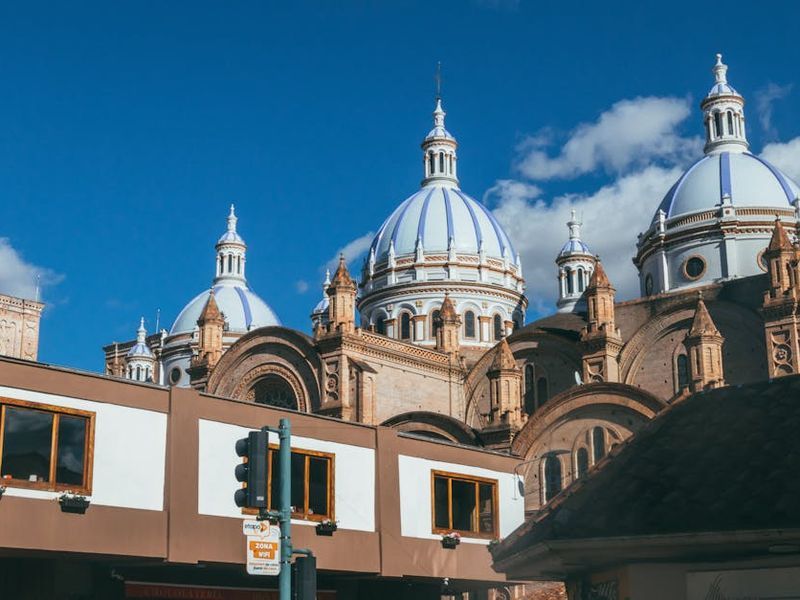
- Parque Calderón and the New Cathedral (blue domes) — the heart of the historic center.
- Pumapungo Museum and archaeological park — local history and indigenous artifacts.
- Plaza de las Flores — colorful markets and photos of daily life.
- Turi viewpoint — a short drive up the hill for panoramic views of Cuenca.
Sample 3-day itinerary
Day 1: Stroll Parque Calderón, visit the Cathedral, explore nearby museums and enjoy a coffee at a plaza-side café. Day 2: Take a guided tour of Pumapungo, wander riverside promenades and find a rooftop bar for sunset. Day 3: Day trip to Cajas National Park — hikes, lakes and dramatic highland scenery (bring layers and good shoes).
Day trips and short excursions
Cajas National Park
Less than an hour away, Cajas offers highland lakes, moorlands and hiking trails. It’s perfect for nature lovers — bring warm clothing, water and sturdy boots. Weather can change quickly up there.
Artisan towns and ruins
Consider trips to nearby artisan towns like Chordeleg (known for silver jewelry) and Gualaceo for textiles and markets. If you’re into archaeology, the Ingapirca ruins (a bit further afield) provide a fascinating glimpse into Inca and pre-Inca history.
Safety, common sense and local customs
Staying safe
Cuenca is one of Ecuador’s safer cities, but petty theft and pickpocketing can occur in crowded areas. Keep valuables secure, use front pockets or money belts, avoid flashing expensive items and be cautious using ATMs at night. Use hotel safes when available and ask locals or hosts about areas to avoid after dark.
Local manners and useful phrases
Politeness goes far: greet shopkeepers and neighbors with a friendly “buenos días” or “buenas tardes.” Simple Spanish phrases to learn: “¿Cuánto cuesta?” (How much does it cost?), “¿Dónde está el baño?” (Where is the bathroom?), and “Muchas gracias” (Thank you very much). A light greeting and a smile will open doors in shops, markets and homestays.
Connectivity, SIM cards and staying in touch
Internet and cell service
Wi‑Fi is common in hotels and cafés; speeds can be slower than at home in some neighborhoods. If you need consistent mobile data, buy a local SIM card (Claro and Movistar are major providers) at the airport or retail outlets. WhatsApp is widely used for messaging and coordinating taxis or tours.
Practical final tips
- Carry a copy of your passport and keep the original secure.
- Ask about opening hours — many shops close midday for lunch and reopen later.
- Book popular attractions and Cajas park tours in advance during high season.
- Consider travel insurance that covers medical evacuation at high altitudes.
- Bring small bills for tipping and local purchases; coins are handy for public toilets and buses.
Final thoughts: soak in the pace and people
Cuenca rewards travelers who slow down. Plan a balanced itinerary that leaves room for wandering, café stops and unexpected discoveries — a street parade, a market stall with a friendly vendor, or a tranquil church service. With sensible preparation for altitude, weather and transport, first-time visitors can enjoy Cuenca’s colonial charm, rich culture and delicious cuisine with confidence.
Whether you’re there for history, hiking or simply a relaxed urban escape, these tips will help you navigate Cuenca like a thoughtful guest and return home with a deeper appreciation for Ecuador’s southern highlands.