
Table of Contents
Why choosing the right neighborhood matters in Cuenca
Cuenca is compact, walkable, and layered with history. The city is anchored by the UNESCO-listed Historic Center around Parque Calderón and spreads outward into quieter residential and hillside neighborhoods. Where you stay will shape your experience: stay near the cathedral and you’ll be steps from museums, cafes, and nightlife; choose a riverside or residential street and you may enjoy more space, calmer nights, and closer contact with locals.
Before booking, think about what matters most: proximity to attractions, nightlife, tranquility, access to buses and taxis, or space for longer stays. Cuenca’s mild highland climate also makes rooftop terraces, heated rooms, and hot showers unexpectedly important considerations.
Quick budgeting guide for accommodation in Cuenca
All prices below are approximate and in US dollars, the local currency. Cuenca is known for offering good value compared with major North American and European cities:
- Luxury and boutique hotels: typically 120 to 250+ per night
- Comfortable mid-range hotels and guesthouses: 45 to 110 per night
- Budget hotels and private rooms: 25 to 45 per night
- Hostels and dorm beds: 7 to 20 per night; private hostel rooms 20 to 40
- Long-term furnished rentals or Airbnbs: monthly rates vary widely but are often affordable compared with North America
Top neighborhoods to consider
Historic Center and Parque Calderón
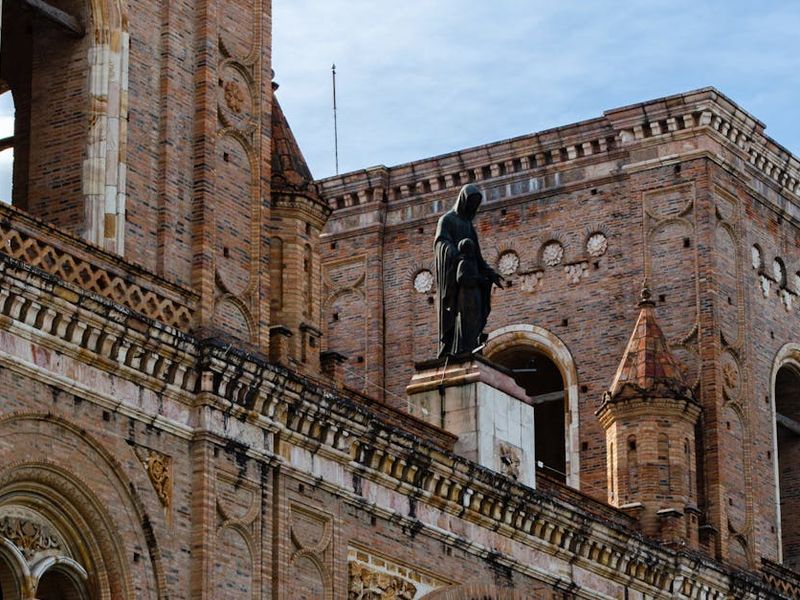
The heart of Cuenca is the logical base for first-time visitors. Staying within a few blocks of Parque Calderón means easy access to the New and Old Cathedrals, artisan markets, walking tours, restaurants, and nightlife. If you want maximum convenience and charm, choose a hotel or guesthouse here.
Río Tomebamba and Calle Larga
Walk along the Tomebamba river and you will find riverside paths, museums, and cafes. This area blends sights with quieter streets and is excellent for mid-range hotels and boutique guesthouses. It is still central but a little less busy at night than the very center.
Turi and the Mirador area
Turi sits above the city and offers stunning panoramic views. Staying in this area is ideal if you want a calm escape with vistas. Note that it is uphill from the center, so prepare for taxis or a steep walk.
Residential neighborhoods for long stays
Areas farther from the tourist core are great for expats, retirees, and people working remotely. Look for apartment rentals in quieter zones that offer more space, a kitchen, and a local feel. These neighborhoods often have supermarkets, parks, and bus access.
Luxury and boutique hotels: splurge for style and comfort
If you want to celebrate a special trip or enjoy Spanish colonial charm with modern service, Cuenca delivers with several boutique options. Look for small hotels that occupy restored colonial houses. These properties often feature high ceilings, courtyards, elegant breakfasts, and concierge help arranging tours.
When booking a luxury stay, pay attention to a few extras: do rooms have reliable hot water and heating? Is breakfast included and freshly prepared? Do they offer airport transfers from Mariscal Lamar Airport and can they hold luggage if you arrive early or depart late? These little conveniences make a big difference in Cuenca’s cooler evenings.
Mid-range hotels and charming guesthouses
Most travelers find the best balance in the mid-range category. These hotels are often family-run, well-located near the Old Town or along the river, and provide comfortable beds, clean bathrooms, and local know-how. Many include breakfast and have English-speaking staff to help with museum hours, restaurant recommendations, and taxi fares.
Look for small hotels with an interior courtyard or rooftop terrace to unwind after a day exploring the city. Mid-range properties are a popular choice for couples, small families, and solo travelers who value comfort without luxury prices.
Budget hotels and guesthouses: practical and local
Budget hotels in Cuenca are typically simple, privately owned guesthouses or small inns. You can expect a private room, clean linens, and a shared or private bathroom. These places are perfect for travelers who plan to spend most of their time sightseeing and just need a safe, comfortable place to sleep.
When choosing a budget option, check if the property provides hot water all day (important in this altitude), secure luggage storage, and basic amenities like WiFi. Many small guesthouses are run by families and can deliver excellent local advice.
Hostels: social stays for solo and budget travelers
Cuenca’s hostels have improved considerably in recent years. You’ll find a range of atmospheres, from party hostels near the center to quiet, design-forward hostels that cater to remote workers. Dorm beds are inexpensive and a great way to meet other travelers, while private rooms in hostels can be a budget-friendly alternative to hotels.
Key features to look for in a hostel include: lockers for valuables, good WiFi for planning day trips, and communal kitchens for cooking. Many hostels also organize pasta nights, walking tours, and rides to the nearby hot springs and parks.
Family-friendly and accessible options
If you are traveling with children or have mobility needs, book hotels that explicitly list family rooms and accessibility features. Some historic buildings do not have elevators and have narrow staircases. If stairs are an issue, confirm whether the hotel has ground-floor rooms or an elevator. For families, look for hotels that offer adjoining rooms, cribs, and a calm location away from street noise.
Practical tips for booking and saving money
- Book early for high season and festivals. Cuenca draws many visitors during holiday periods and cultural festivals, so rates rise quickly for desirable properties.
- Check cancellation policies. Choose flexible rates if your travel plans might change.
- Ask about heating and hot water. Nights can be cool and reliable hot water varies by building, especially in older constructions.
- Look for breakfast-included rates. Many mid-range and budget hotels include breakfast, which saves time and money.
- Negotiate long-stay discounts for weeks or months. Many guesthouses and apartments offer reduced monthly rates for longer stays.
Getting to and around your hotel
Cuenca’s airport, Mariscal Lamar Airport, is close to the city center. Taxi or shared shuttle options are common. If you arrive by bus from other Ecuadorian destinations, the interprovincial bus terminal is well connected to local taxi services. Many neighborhoods in Cuenca are compact and walkable, but taxis remain cheap and plentiful for uphill trips or late nights.
Ride-hailing apps operate in Ecuador in various cities; check availability before your trip. For the most authentic experience, local taxis are easy to flag down—just agree on a fare if the driver does not use a meter.
Safety and health considerations
Cuenca is considered one of the safer large cities in Ecuador, but common-sense precautions still apply. Choose well-reviewed accommodations with secure entryways, luggage storage, and good lighting at night. Ask the hotel about emergency contacts and nearest pharmacies.
Altitude can affect some travelers; Cuenca sits at around 2,500 meters. Take it easy on arrival, stay hydrated, and avoid heavy physical exertion on your first day. If you have specific health conditions, check that your chosen hotel can provide quick access to medical services.
Where to look when searching for properties
Major booking platforms provide traveler reviews, photos, and filters for breakfast, free cancellation, and more. For a homier experience, local guesthouses and boutique hotels sometimes offer direct booking on their websites or by phone, which can lead to small discounts or room upgrades. If you are planning an extended stay, reach out directly to inquire about monthly rates and utilities included.
Special-interest stays: romantic, foodie, and wellness retreats
Couples will find romantic boutique hotels with rooftop terraces and courtyard breakfast rooms. Food lovers should search for guesthouses near Calle Larga and the central neighborhoods where small, high-quality restaurants cluster. For wellness-focused travelers, some hotels offer yoga classes, quiet garden spaces, or easy access to day trips like thermal springs and hiking in the nearby Cajas National Park.
Tips for expats and long-term stays
Many retirees and remote workers choose Cuenca for its affordability and quality of life. If you plan to stay longer than a few weeks, consider renting an apartment in a residential neighborhood, joining local expat groups, and checking access to reliable internet and co-working spaces. Long-term rentals often include utilities and furnishings, but be sure to clarify what is covered before signing any paperwork.
Airdrops and small luxuries to enhance your stay
Consider upgrading a few nights in a boutique hotel even if most of your stay is in a budget rental. Enjoying one or two nights in a more central, historic property can be a memorable highlight and give you a local feel for Cuenca’s architectural beauty. Also, ask hotels about laundry service, local SIM cards, and guided day trips—many will happily arrange tours to nearby towns, markets, and nature reserves.
Final checklist when booking your stay in Cuenca
- Confirm neighborhood and walkability to places you want to visit
- Verify bed and bath type, hot water, and heating
- Check reviews for noise levels and cleanliness
- Ask about airport transfers and luggage storage
- Inquire about long-stay discounts if staying more than two weeks
Cuenca welcomes visitors with an appealing mix of colonial charm, cultural life, and modern comforts. Whether you crave a boutique hotel beneath carved wooden beams, a comfortable mid-range guesthouse near the river, or a social hostel where you can make fast friends, the city has options for every budget. Use these tips to match your priorities with the right neighborhood and property, and you will be set for an unforgettable stay in Ecuador’s highland gem.