
Table of Contents
Why Cuenca Should Be on Your South America List
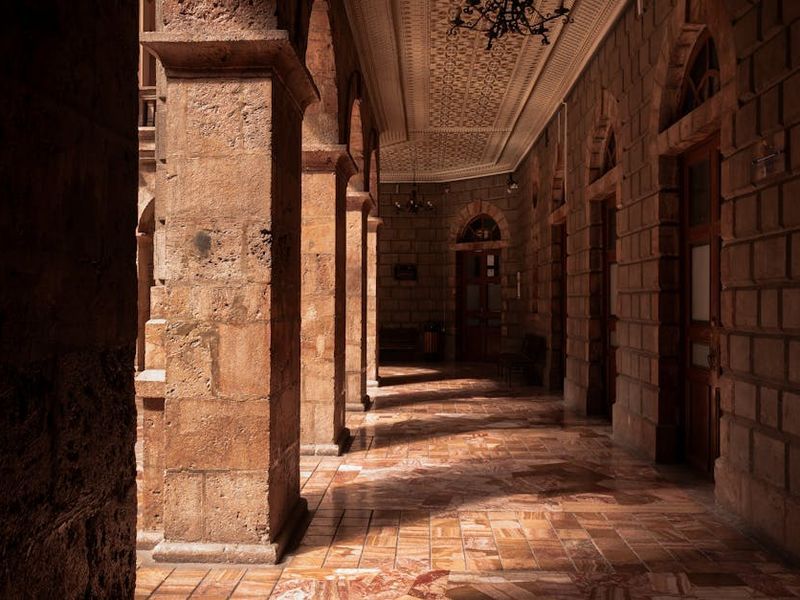
Cuenca, Ecuador’s third-largest city, blends colonial architecture, Andean mountain scenery, and a relaxed pace that charms visitors quickly. With its blue-domed cathedral, cobbled streets, and riverside promenades, Cuenca offers a compact historic center ideal for walking, while nearby highland landscapes provide dramatic day-trip options. If you’re visiting for the first time, a little preparation goes a long way—this practical guide helps you arrive confident and ready to enjoy the city like a local.
Before You Go: What to Know About Altitude, Weather, and Health
Altitude and how it might affect you
Cuenca sits at about 2,560 meters (8,400 feet) above sea level. Most visitors experience only mild symptoms—shortness of breath, slight headaches, or fatigue—but it’s smart to plan for acclimatization. Travel experts recommend:
- Arriving in the afternoon and taking it easy the first 24 hours.
- Drinking plenty of water and avoiding heavy meals or alcohol on day one.
- Bringing over-the-counter remedies for headaches; prescription options like acetazolamide (Diamox) are available if you have severe altitude sensitivity—consult your doctor.
- Try a warm cup of herbal tea; coca tea is sometimes available and traditionally used in the Andes for altitude relief.
Pack for unpredictable, mild-weather days
Cuenca enjoys a spring-like climate year-round but can be cool in the mornings and evenings. Packing suggestions:
- Layered clothing: lightweight sweaters, a rain jacket, and a warm layer for evenings.
- Sturdy walking shoes for cobblestones and hills like the Mirador de Turi.
- Sunscreen and a hat—UV is stronger at elevation even on cloudy days.
Getting There and Around
Arriving by plane
Most international travelers arrive by flying into Quito or Guayaquil and then take a domestic flight to Cuenca’s Mariscal Lamar International Airport (CUE). The airport is compact and often experiences weather-related delays, so allow buffer time for connections. If you prefer land travel, direct buses connect Cuenca with Quito and Guayaquil—buses are comfortable and a scenic way to see the Andes.
Local transport: buses, taxis, and walking
Cuenca’s historic center is highly walkable; many landmarks cluster around Parque Calderón and the Río Tomebamba. For longer rides, consider:
- Taxis: inexpensive and plentiful. Use radio taxis arranged by your hotel or agree on a fare before starting the ride; many drivers accept small bills in US dollars.
- Buses: local buses are cheap and frequent—great for getting to neighborhoods beyond the center, but they can be crowded during rush hour.
- Rideshare: services like Uber have been available at times in Ecuadorian cities; availability fluctuates, so have local taxi numbers as backup.
Where to Stay: Neighborhoods for Different Travel Styles
Your choice of neighborhood will shape your experience. Here are common options for first-timers:
- Centro Histórico: Perfect for first-time visitors who want to be steps away from the New Cathedral, museums, cafés, and restaurants. Expect colonial architecture and lively plazas.
- El Barranco: Across the Río Tomebamba, this area has an artsy vibe with riverside cafés, craft shops, and nightlife options.
- Turi: A hilltop neighborhood south of the city with a famous lookout (Mirador de Turi) and more tourist-oriented hotels—ideal if you want sweeping views.
- San Sebastián: A quieter residential area with budget-friendly guesthouses and a more local feel.
Money, Costs, and Paying Like a Local
Ecuador uses the US dollar, which makes budgeting straightforward. Practical money tips:
- ATMs are common in the city center, but always use ATMs inside banks or hotels when possible.
- Carry small bills (coins and $1 or $5 notes) for taxis, markets, and small purchases—some vendors and taxis may not accept credit cards.
- Restaurants often add a 10% service charge; if it’s not included, a 10% tip is customary for good service.
Food and Drink: What to Try (and What to Watch For)
Cuenca’s cuisine reflects Andean roots and coastal influences. Must-try dishes and food tips:
- Hornado: Slow-roasted pork, usually served with hominy (mote) and plantains—common at market eateries.
- Locro de papa: A hearty potato and cheese soup, a comforting classic in the highlands.
- Cuy: Guinea pig is a traditional Andean delicacy—try it at reputable restaurants if you’re curious.
- Fresh fruit and juices: Markets offer an amazing variety of tropical fruits—great for a healthy breakfast or snack.
Food safety: Many locals drink tap water, and municipal water is treated. If you have a sensitive stomach, stick to bottled or filtered water and avoid ice from unknown sources.
Cultural Tips and Local Etiquette
Cuenca residents are warm and polite. A few small gestures help you fit in respectfully:
- Greet shopkeepers and service staff with a polite “buenos días” or “buenas tardes.” A single cheek kiss or handshake is common when meeting someone new.
- Dress modestly when visiting churches or religious ceremonies and ask before photographing people in local markets.
- Learn a few Spanish phrases—locals appreciate the effort, and it often leads to friendlier interactions.
Top Things to See and Do in the City
Cuenca packs culture into a compact downtown. Highlights not to miss:
- Parque Calderón: The city’s central plaza, surrounded by historic buildings and cafés—an ideal starting point for exploring.
- New Cathedral (Catedral de la Inmaculada Concepción): Famous for its azure domes rising above the skyline—climb nearby viewpoints for city panoramas.
- Río Tomebamba walks: Stroll the riverside paths and cross ornate bridges to see the city from different angles.
- Museo Pumapungo: Offers archaeological and ethnographic exhibits and sits near an archaeological park with Inca ruins and ruins gardens.
- El Mercado 9 de Octubre: A bustling central market for fresh produce, local snacks, and authentic atmosphere.
Great Day Trips from Cuenca
Use Cuenca as a hub to explore the southern highlands. Popular excursions include:
- Cajas National Park: About an hour from the city, this páramo landscape offers crystalline lakes, walking trails, and birdwatching. Dress warmly and take waterproof gear—weather changes quickly at higher elevations.
- Ingapirca Ruins: The largest known Inca ruin in Ecuador, located in Cañar province. Guided tours help you understand the site’s history and significance.
- Artisan towns—Gualaceo and Chordeleg: Short bus trips away, these towns are famous for weaving, textiles, and silver jewelry—perfect for finding locally made souvenirs.
Safety and Practical Precautions
Cuenca is safer than many larger Latin American cities, but basic precautions matter:
- Avoid flashing expensive gadgets or jewelry in crowded areas to reduce pickpocket risk.
- Use hotel safes for passports and valuables, and keep a photocopy of your passport separate from the original.
- Stick to well-lit streets at night and rely on trusted taxi services after dark.
Connectivity: Getting a SIM Card and Using Wi-Fi
Reliable Wi-Fi is common in hotels and cafés in the Centro Histórico. For local data, buy a prepaid SIM from national carriers like Claro or Movistar—bring your passport to register the SIM. Prepaid plans are affordable and let you use maps and ride apps without relying on hotel Wi-Fi.
Sample Two-Day Itinerary for First-Timers
Short on time? Here’s a compact itinerary to see the highlights without rushing:
- Day 1: Stroll Parque Calderón and the New Cathedral, have lunch at a market eatery, visit Museo Pumapungo, and enjoy a riverside walk across Puentes del Tomebamba. Dinner in El Barranco or a rooftop restaurant.
- Day 2: Morning visit to El Mercado 9 de Octubre for breakfast, an afternoon trip to the Mirador de Turi for panoramic views, or arrange a half-day tour to a nearby artisan town.
Final Checklist for a Smooth First Visit
Before you depart, tick off these essentials:
- Passport and copies, plus any needed visas.
- Medication for altitude or prescriptions (and a small first-aid kit).
- Cash in small denominations and an ATM/credit card ready for backups.
- Phone charger and an international adapter (Ecuador uses 110V and Type A/B plugs).
- Comfortable walking shoes and layers for sudden weather changes.
Parting Advice: Slow Down and Savor the City
Cuenca rewards travelers who slow their pace. Spend time lingering over coffee at a plaza café, browse artisan shops, and talk with locals—small interactions often lead to the most memorable experiences. Whether you want culture, nature, or a relaxed urban vibe, Cuenca’s combination of colonial charm and Andean landscapes makes it uniquely inviting for first-time visitors.
With a little planning—respect for the altitude, sensible money and safety habits, and an open mind—your first trip to Cuenca can be relaxed, enriching, and full of discoveries. Pack your layers, brush up on basic Spanish phrases, and get ready to explore one of Ecuador’s most beautiful cities.