
Table of Contents
Why Ingapirca should be on your Cuenca itinerary
Located in the rugged highlands north of Cuenca, the Ingapirca archaeological complex is Ecuador’s largest known Inca-era site and a rare place where Inca and Cañari histories visibly intersect. For travelers based in Cuenca, Ingapirca offers a compact, immersive glimpse of Andean pre-Columbian life: impressive stonework, sun-aligned architecture, terraced hillsides and a poignant sense of how two cultures met and adapted. Whether you are a history buff, a photographer, or a traveler seeking an authentic rural experience, Ingapirca delivers a memorable day or overnight visit.
Quick practical overview
Before diving into details, here are the essentials at a glance:
- Location: In Cañar province, north of Cuenca in the Andean highlands.
- Altitude: Over 3,000 meters (high altitude—bring layers and hydrate).
- Typical visit length: 2–4 hours on site; full-day round trip from Cuenca is common.
- Facilities: Visitor center and small archaeological museum, toilets, vendors, and shade shelters.
- Best months to visit: Dry season (June–September) offers clearer skies and firmer trails; shoulder seasons can be less crowded.
How to get to Ingapirca from Cuenca
Travelers have three sensible options from Cuenca: self-drive, public transport, or organized tour. Each has pros and cons depending on comfort, budget and flexibility.
1) Drive yourself
Renting a car from Cuenca gives you the most flexibility. The roads are generally paved but can be narrow in places; GPS works well but bring an offline map as backup. Driving allows you to stop at scenic viewpoints, visit nearby towns such as Cañar, El Tambo or Chordelec, and set your own pace for photography at sunrise or sunset. Leave early to avoid afternoon clouds and to secure parking near the visitor center.
2) Public transport
For budget travelers, buses and colectivos from Cuenca’s Terminal Terrestre or local bus stops run toward the Cañar/Ingapirca corridor. Some buses go directly to the village near the ruins while others drop you in a nearby town where you can catch a taxi. This option is inexpensive but requires attention to timetables and may involve transfers. Confirm return bus times before you arrive at the site—service back to Cuenca can become sparse later in the day.
3) Guided excursions
Many travel agencies and hotels in Cuenca offer half-day and full-day trips to Ingapirca. Group tours simplify logistics and include a guide who explains the site’s cultural and architectural details. Private tours cost more but are ideal if you want deeper historical context or a customized itinerary (for instance, pairing Ingapirca with local weaving communities or nearby thermal baths).
Timing your visit: best times of day and year
To make the most of the ruins:
- Arrive early: Morning light is cleaner and crowds are smaller. If you can, start your visit just after the site opens.
- Avoid mid-afternoon storms: During the rainy season, convective storms often develop in the afternoon, reducing visibility and making trails slippery.
- Solstices and festivals: Ingapirca is a special place during the June solstice when local communities and visitors celebrate with ceremonies. These events are culturally rich but draw crowds—book transport and accommodations ahead if you plan to join.
What you’ll see: highlights of the ruins
Ingapirca’s layout and masonry reflect both Cañari traditions and Inca imperial planning. Key features include:
- Temple of the Sun (Templo del Sol): A semi-elliptical structure built with finely fitted stones oriented to capture sunlight during seasonal events. Its precision stonework is a highlight for architecture enthusiasts.
- Terraces and agricultural structures: Step-like terraces show how highland agriculture was engineered to prevent erosion and maximize production.
- Cemetery areas and carved stones: Scattered burial and ritual sites reveal burial practices and local cosmology.
- Water channels and courtyards: Ingenious irrigation channels and water management systems speak to sophisticated planning and ritual use.
- On-site museum: The small museum next to the visitor center houses ceramics, tools and interpretive displays—great for contextualizing the walk.
Photography and responsible visiting
Ingapirca is a photographer’s delight: sweeping Andean vistas, stonework textures, and the dynamic light of a highland sky. To capture the best images and be a considerate visitor:
- Golden hours are magical: sunrise and late afternoon provide warm, directional light.
- Use a polarizer to deepen blue skies and reduce glare on stone.
- Respect restricted areas: some parts of the ruins are fragile or under conservation—follow ropes and signage.
- Ask permission before photographing residents or local vendors; many appreciate being asked and may pose with a small tip or purchase.
- Drone use is typically restricted at archaeological sites—check local rules and don’t fly without permission.
Safety, accessibility, and what to pack
The mountain climate and uneven terrain call for a little planning:
- Bring layers: temperatures can swing widely between sun and shade. A windproof outer layer and hat are useful.
- Hydrate: high altitude can cause dehydration—carry water and sip frequently.
- Wear sturdy shoes: stone steps and terraces are uneven and can be slippery when wet.
- Sun protection: at high altitude UV is stronger—use sunscreen, sunglasses and a brimmed hat.
- Accessibility: the site is historic and hilly; wheelchair access is limited. If mobility is a concern, contact the visitor center in advance to discuss options.
Food, souvenirs and supporting the local economy
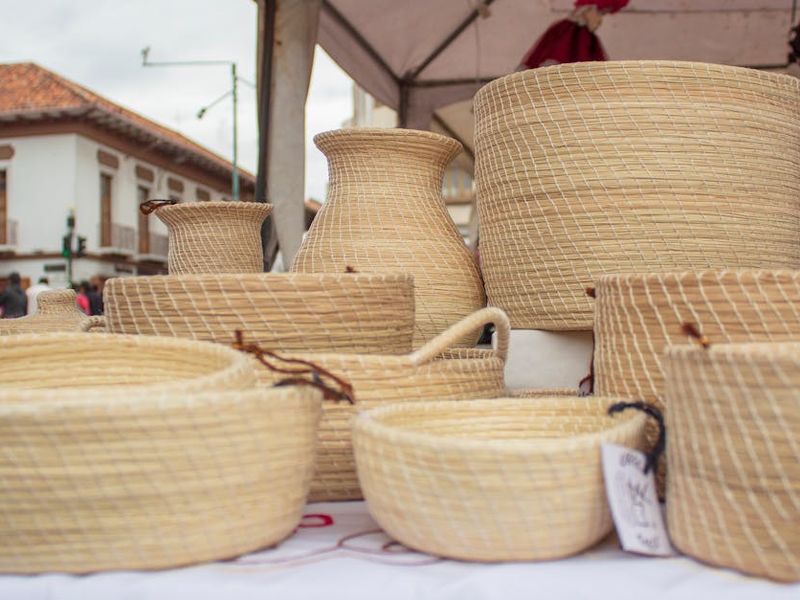
The area around Ingapirca has small restaurants and street stalls serving hearty Andean fare. After a morning exploring stones and views, a warm bowl of mote (hominy soup), a trout dish, or a plate with local stews will hit the spot. Vendors sell woven goods, pottery and handicrafts made by nearby communities. Buying directly from local artisans supports families and preserves traditional skills.
Combining Ingapirca with other Cuenca-area experiences
A day trip to Ingapirca can be part of a broader cultural loop north of Cuenca. Consider these nearby additions:
- Cañar and its markets: Cañar town hosts regional markets where you can see traditional dress, textiles and agricultural goods.
- El Tambo: A convenient stop for lunch, local crafts and an authentic small-town atmosphere.
- Hot springs and countryside walks: Many small thermal baths and scenic hikes dot the route, perfect for unwinding after your archaeological exploration.
- Textile villages: Combine Ingapirca with visits to weavers in neighboring towns to learn about natural dyes and backstrap loom techniques.
Sample itineraries from Cuenca
To help you plan, here are two flexible itineraries depending on your pace and interests:
Day-trip, history-focused (ideal if you have one full day)
- 6:30–8:30 AM: Depart Cuenca (drive or transport).
- 9:00–11:30 AM: Guided walk of Ingapirca, visit the museum and temple, take photos.
- 12:00–1:30 PM: Lunch in nearby El Tambo—try a regional dish and fresh juice.
- 2:00–4:00 PM: Optional stop at a weaving cooperative or a short hike.
- 4:30–6:30 PM: Return to Cuenca.
Multi-day cultural loop (relaxed pace with local immersion)
- Day 1: Morning departure from Cuenca; afternoon visit to Ingapirca; overnight in a local guesthouse near the site to enjoy evening skies and a village meal.
- Day 2: Visit a nearby market or artisan village, then return to Cuenca via scenic rural routes with stops at viewpoints and hot springs.
Preservation and respectful behavior
Archaeological sites like Ingapirca have survived centuries thanks to both natural resilience and careful stewardship. As a visitor, you play a role in preservation:
- Do not remove stones or artifacts—every piece contributes to the story of the place.
- Stick to designated paths and be mindful of signage indicating sensitive areas.
- Support local conservation by paying entrance fees, joining certified guided tours and purchasing from official museum shops when available.
Final tips and checklist before you go
Here’s a short checklist to ensure a smooth, respectful and rewarding visit:
- Check current opening hours and entrance requirements before you leave Cuenca.
- Carry identification (for discounts) and some cash for entrance fees, local purchases and tips.
- Leave room in your schedule for delays or unexpected photo stops—part of the joy of rural travel is the unplanned discovery.
- Learn a few phrases in Spanish or a bit about local customs to connect more easily with residents and guides.
Whether you go as a day tripper from Cuenca or linger for a slower exploration of the Cañar highlands, Ingapirca rewards curiosity. Its stone terraces, solar-aligned temple, and living cultural landscape are a bridge between past and present—one that invites respectful exploration and a deeper appreciation of Ecuador’s Andean heritage.