
Table of Contents
Overview: Quito to Cuenca — what to expect
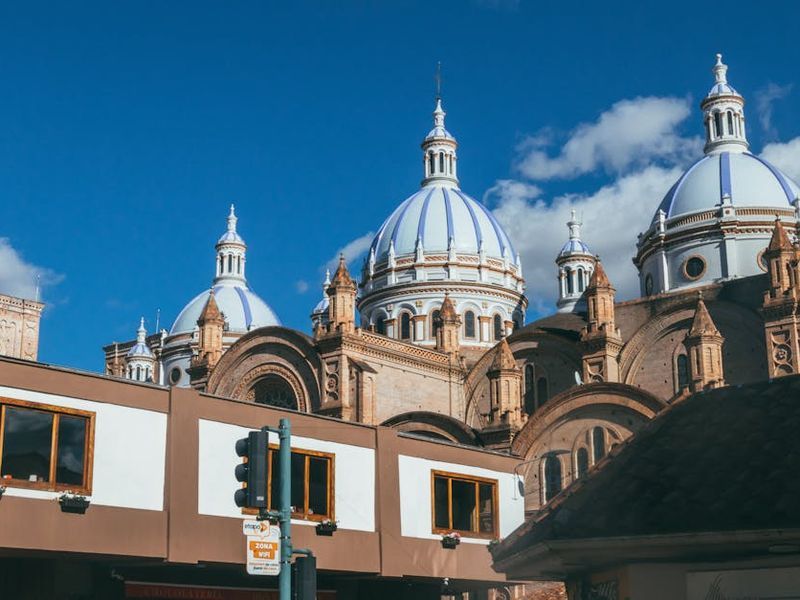
Quito and Cuenca are two of Ecuador’s crown jewels: Quito, the high-altitude capital with colonial heart; Cuenca, a UNESCO city known for its cobbled streets, blue-domed cathedral, and vibrant arts scene. Although they sit only a few hundred kilometers apart, the Andes make travel between them feel like a journey through dramatically different landscapes — volcanic plains, high-altitude páramo, deep canyons and cloud forests.
This guide breaks down realistic options for traveling from Quito to Cuenca by bus, plane, car, and even a scenic train detour. You’ll get typical durations, pros and cons, booking tips, safety and comfort advice, and recommendations for stops and attractions to make the most of your journey.
Quick comparison: time, cost and convenience
Here’s a practical snapshot to help you decide at a glance:
- Plane: Fastest (around 1 hour flight time), best if you’re short on time. Expect extra time for airport procedures and transfers. Good for business travelers and those on tight schedules.
- Bus: Budget-friendly and comfortable for many travelers; trip duration usually 7–10 hours depending on stops and road conditions. Departures are frequent and buses offer overnight and daytime options.
- Car: Most flexible; allows scenic stops en route. Expect 7–10 hours of driving depending on route, weather and how often you stop. Ideal for slow travel and sightseeing, but mountain driving requires caution.
- Train detour: Not a direct Quito–Cuenca train, but memorable tourist train rides (like the Nariz del Diablo from Alausí) can be added to a road trip itinerary for a unique experience.
Flying Quito to Cuenca — fast and simple
Duration: about 1 hour in the air; plan for 3–4 hours total including transfers and security.
Airports and logistics
Quito’s international airport (Mariscal Sucre International, UIO) is outside the city in Tababela, about 40–60 minutes from central Quito depending on traffic. Cuenca’s airport (Mariscal Lamar, CUE) sits above the city with a shorter runway and mountainous approaches — a dramatic arrival.
Domestic flights run multiple times per day on many schedules. Airlines operating domestic routes can change seasonally, so check current schedules and book early if you need a specific departure time. Expect more limited baggage allowances than buses and variable fares depending on demand.
Pros and cons of flying
- Pros: fastest, comfortable, good for tight schedules and short trips.
- Cons: pricier than bus, time spent on ground transfers and security, occasional weather delays due to mountain conditions. Airport is further from Quito center, so factor ground travel time.
Taking the bus — economical and scenic
Duration: typically 7–10 hours depending on route, type of service, and traffic.
Where buses depart and arrive
In Quito, long-distance buses typically leave from the main southern bus terminal — Quitumbe — which offers ticket offices, waiting areas and direct services to cities across the Sierra. In Cuenca you’ll arrive at the city’s main bus terminal (Terminal Terrestre), which is located outside the historic center and is a short taxi ride away.
Types of buses and what to expect
Buses in Ecuador vary by level of comfort:
- Expreso / Ejecutivo: More comfortable seats, sometimes with onboard restrooms and limited refreshments.
- Semi-Cama / Cama: Reclining seats suitable for overnight travel; a good choice if you want to sleep on the way.
- Local services: Cheaper, make many stops, and take longer — not recommended for long solo trips with lots of luggage.
Tickets can be bought at terminals, through agency booths, or online via platforms that list Ecuador bus routes. Book overnight buses if you prefer to save daytime for sightseeing and avoid traffic.
Safety and comfort tips for bus travel
- Reserve a seat closer to the front for a smoother ride and easier access.
- Keep valuables in a carry-on you keep with you; theft at bus terminals occasionally occurs.
- Bring layers — buses can be chilly with air conditioning on long routes.
- Bring snacks and water, although drivers often stop at roadside restaurants or terminals.
Driving Quito to Cuenca — the flexible, adventurous option
Duration: 7–10 hours of driving, depending on route and stops. Distance varies by route but plan for roughly 400–500 km of mountainous driving.
Recommended driving routes and highlights
The most common driving corridor follows the Panamericana (E35) south through Latacunga, Ambato and Riobamba, then towards Alausí and down into the southern Sierra to Cuenca. This route features several highlights where a short stop rewards you with dramatic scenery:
- Latacunga / Cotopaxi area: If you have time, a detour to Cotopaxi National Park offers close-up views of the volcano and short hikes.
- Ambato / Baños detour: A popular break spot with hot springs and waterfalls if you take the eastern detour toward Baños de Agua Santa.
- Riobamba: Gateway to Chimborazo viewpoints and a good place for a lunch break.
- Alausí and the Devil’s Nose: The dramatic switchbacks of Nariz del Diablo make a great photo stop; you can time a visit to coincide with the tourist train ride.
Practical driving advice
- Check your brakes and tires — mountain driving involves many descents. Hire a reliable rental with good insurance and mechanical checks.
- Drive in daylight when possible; visibility and response time are crucial on winding mountain roads.
- Watch for small towns with speed bumps and slow traffic; trucks may move slowly uphill and then speed downhill.
- Fuel up in larger towns where prices and availability are more predictable. Fill up before long stretches with few services.
- Carry a printed or offline GPS map; mobile signal can be patchy in remote mountain areas.
Train detours and scenic rail experiences
There is no regular passenger rail that directly connects Quito and Cuenca, but Ecuador’s tourist trains offer one-of-a-kind experiences that pair well with a road trip. A popular option is to stop at Alausí and take the Nariz del Diablo (Devil’s Nose) tourist train. The engineering marvel of the train’s zig-zag descent is an unforgettable break in a long drive.
Other tourist rail routes run through beautiful valleys and are operated seasonally. If you love slow travel and photography, plan your road trip to include a train segment, and book those tickets in advance — they sell out on busy weekends.
Choosing the right option for you
Think about your priorities:
- Budget-conscious: Choose daytime or overnight bus routes. They’re affordable, frequent and reasonably comfortable.
- Time-sensitive: Fly to save time. A 1-hour flight beats 8–10 hours on the road — but factor in airport transfers.
- Lovers of scenery and flexibility: Rent a car and plan stops — you’ll discover side attractions like local markets, viewpoints, and national parks.
- Adventurous and curious: Combine a road trip with a train detour to the Nariz del Diablo for something uniquely Ecuadorian.
Arrival and getting around Cuenca
Cuenca’s historic center is compact and mostly walkable, with cobblestone streets and plazas best enjoyed on foot. The main things to know when you arrive:
- If you arrive by bus, taxis from the Terminal Terrestre to the historic center should be short and inexpensive; agree on the fare or ensure the meter is used.
- If you fly in, the airport sits above the city — the descent into Cuenca offers spectacular views. Taxis or private transfers take you into town in 20–30 minutes depending on traffic.
- Parking in the historic center can be limited; many hotels offer parking or can suggest secure lots nearby.
Practical tips before you travel
Make your trip smoother with these concrete preparations:
- Book key tickets in advance: Flights and popular tourist-train departures are best reserved early; buses can fill during holidays.
- Pack for altitude: Quito sits at roughly 2,850 m and Cuenca at about 2,500 m. Stay hydrated, move slowly when you arrive, and avoid heavy exertion the first day if you’re sensitive to altitude changes.
- Money and cards: Ecuador uses the U.S. dollar. Carry some cash for markets and smaller vendors, but cards are accepted widely in cities.
- Weather layers: Mountain weather is changeable — sun, wind, cool nights. Dress in layers and bring a rain shell during the wet season.
- Check current schedules: Airline and bus schedules shift seasonally. Verify times a day or two before travel and allow leeway for mountain weather or road conditions.
What to do in Cuenca once you arrive
Cuenca rewards visitors with relaxed charm and cultural layers. Don’t miss these highlights:
- Parque Calderón: The heart of the colonial center; great for people-watching and photography.
- Catedral Nueva: The cathedral’s blue domes are a city icon; climb a tower for a city panorama.
- Pumapungo: Explore the museum, Inca ruins and the ethnographic displays.
- El Cajas National Park: Under an hour from city center, this páramo landscape has lakes and trails for day hiking.
- Artisan markets: Look for locally woven toquilla straw hats and handmade goods in artisan neighborhoods.
Final thoughts: make the route part of the trip
Whether you choose the economy of a bus, the speed of a plane, the freedom of driving, or the romance of a train detour, the Quito–Cuenca corridor is full of memorable stops. If time allows, slow down: a lunch in Riobamba, a hot-spring soak near Baños, or a morning in Alausí can turn a necessary transfer into a highlight of your Ecuador trip.
Plan with flexibility, respect mountain driving conditions, and savor the change in landscapes — by the time you arrive in Cuenca’s mellow plazas and craft-filled streets, you’ll understand why many travelers linger longer than they planned.