
Table of Contents
Introduction: A Digital Shift in Cuenca’s Dental Care
Walking along the Tomebamba River or through Cuenca’s UNESCO-listed Historic Centre, it’s clear this city blends tradition with modern comforts. That blend is also happening in local dental clinics. Digital dental x-rays—once only available in major hospitals—are now common in many of Cuenca’s dental practices, offering faster diagnoses, lower radiation, and greater convenience for both locals and expats.
What Are Digital Dental X-Rays and Why They Matter
Digital dental x-rays use electronic sensors instead of film to capture images of teeth, roots, and supporting bone. The result is an instant, high-resolution image that a dentist can view, enhance, and store on a computer. Compared with traditional film, digital systems dramatically reduce wait times for results and the need for chemical processing.
Key advantages at a glance
- Lower radiation exposure compared with conventional film x-rays
- Instant image availability—no waiting for development
- Image enhancement tools that reveal problems earlier
- Easy storage and transfer of records—very useful for expats
- Better integration with modern restorative tools like CAD/CAM
Why Digital X-Rays Are Especially Helpful for Expats in Cuenca
Many people move to Cuenca from North America or Europe where they are used to fast, tech-enabled healthcare. Digital dental x-rays help bridge expectations and reality: they deliver quick results and make it simple to share records with a home-country dentist if needed. For expats who travel frequently, this portability is a major benefit.
Transfer and continuity of care
Digital images can be emailed or placed on a USB drive in standardized formats such as DICOM or JPEG. If you’re an expat who returns home temporarily or needs a second opinion, your Cuenca dentist can provide files or upload them to a secure cloud service—no film developing, no lost records.
Practical Benefits for Locals and Seniors
Cuenca has a large and growing retired population. Digital radiography is particularly advantageous for seniors: shorter appointment times reduce discomfort, and enhanced images enable earlier detection of bone loss and decay, which is critical for prosthetic planning or managing periodontal disease.
Pediatrics and comfort
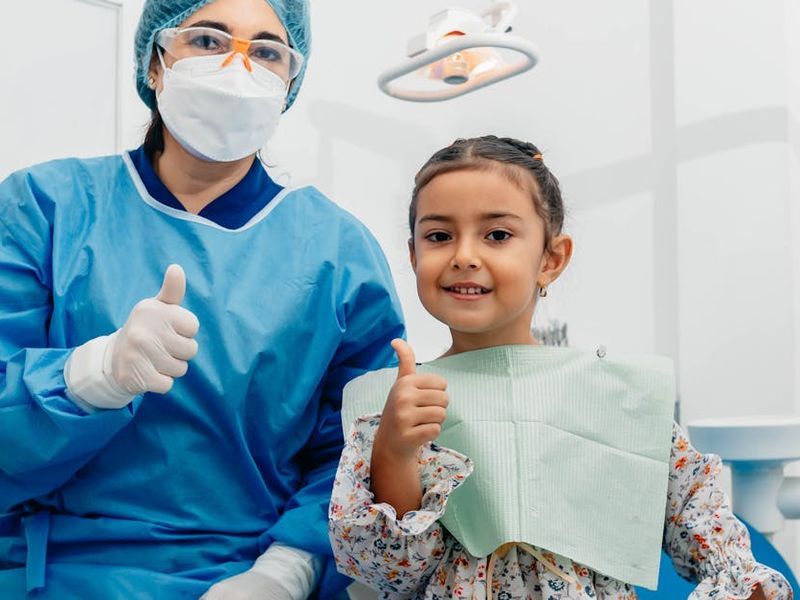
Children benefit from lower radiation and speedier procedures. The immediacy of digital imaging helps keep pediatric visits calm—children don’t have to sit through extra waiting, and dentists can show parents the images and explain treatment plans clearly.
Advanced Diagnostics: Beyond the Ordinary X-Ray
While 2D digital periapical and bitewing x-rays are commonplace, many clinics in Cuenca also offer 3D imaging such as cone beam computed tomography (CBCT). CBCT provides a volumetric view—useful for implant planning, complex extractions, and evaluating root anatomy. Ask your dentist whether they refer to a center with CBCT if your case requires it.
Integration with restorative workflows
Digital images integrate seamlessly with modern restorative technologies. If your dentist uses CAD/CAM for same-day crowns, digital imaging and intraoral scans create a smooth digital workflow—from diagnosis to final restoration—often reducing the number of visits required.
Lower Radiation and Safer Workflows
One of the most important advantages is reduced radiation. Digital sensors capture clearer images with much lower doses than film. Many clinics also use protective protocols such as thyroid collars and lead aprons, which is important to confirm—especially for pregnant patients and frequent x-ray recipients.
Environmental and workflow benefits
Digital radiography eliminates the chemical processing needed for film, reducing hazardous waste and making a clinic environmentally friendlier. The workflow is cleaner and more efficient: images appear on-screen instantly and can be archived without physical storage limitations.
How to Find a Dental Clinic in Cuenca That Uses Digital X-Rays
Cuenca’s dental scene caters to both Spanish-speaking locals and the international community. Here are practical ways to find a clinic with modern digital radiography:
- Ask local expat Facebook groups or forums—people often share recent experiences with clinics near Parque Calderón or the Historic Centre.
- Search for clinics that advertise CAD/CAM, CBCT, or intraoral scanning—these facilities usually have digital radiography too.
- Call ahead and ask specific questions: do you use digital sensors? What type (CMOS, CCD, or phosphor plate)? Can I get digital copies of my images?
- Look for bilingual staff if you’re not fluent in Spanish—many Cuenca dentists cater to expats and will speak English.
Questions to Ask Your Dentist Before Getting Digital X-Rays
Being informed helps you get the best care. Before your appointment, consider asking:
- What type of digital sensor do you use and how recent is the equipment?
- What is the estimated radiation dose compared to traditional film?
- Can you provide my images in a digital format I can keep or share?
- Is the clinic set up for teleconsultations or second opinions with specialists?
- How often do you recommend x-rays based on my age and dental health?
Costs and Insurance: What to Expect in Cuenca
Dental care in Cuenca is generally more affordable than in North America and Europe. Because digital x-rays speed the process, clinics can often offer competitive pricing. Many private dental offices accept cash, local insurance, and sometimes international health plans. If you have dental insurance from abroad, check whether they accept digital images for reimbursement—digital files make claims and pre-authorizations easier.
Dental tourism and follow-up care
Some expats combine dental care with a vacation in Cuenca. If you plan on dental tourism, prioritize clinics that document everything digitally, so follow-up with your home dentist is straightforward. Ask for a comprehensive record: intraoral photos, digital x-rays, treatment notes, and a care plan.
Real-World Scenarios Where Digital X-Rays Helped Patients in Cuenca
Example 1: A retiree in the Historic Centre had persistent tooth pain. The dentist used a high-resolution periapical digital x-ray and discovered a small root fracture not visible on visual exam. Immediate diagnosis avoided extraction complications and led to targeted root canal therapy.
Example 2: An expat who travels frequently broke a molar. The dentist used digital images and sent them to a specialist abroad for confirmation. The digital files enabled collaborative planning, and the expat received a precise crown that fit well with minimal adjustments on a short visit.
Preparing for a Digital X-Ray Appointment in Cuenca
To make the most of your visit, bring anything that can help the dentist understand your history: previous x-rays (if you have them), a list of medications, and any dental records. Wear comfortable clothing, and if you’re nervous about radiation, ask the clinic to explain their protective measures. For expats, bring a USB drive or provide an email address for digital copies of your images.
Limitations and When to Seek a Second Opinion
Digital x-rays improve diagnosis but are not a cure-all. They are two-dimensional for most routine images and might not show complex three-dimensional problems as clearly as CBCT. If you have a complicated case—implant planning, complicated root anatomy, or jaw pathologies—ask whether a CBCT scan or specialist referral is necessary.
Final Thoughts: Embracing Modern Dental Care in Cuenca
Cuenca’s dental community is modernizing rapidly. Digital dental x-rays are a clear example of technology making care faster, safer, and more connected—especially for the international residents who appreciate quick turnarounds and easy file sharing. Whether you live near Parque Calderón, the riverfront, or in the suburbs, you can find clinics equipped for contemporary dental care.
If you’re new to Cuenca or planning dental work here, take a few minutes to research clinics, ask the right questions about equipment and safety, and request digital copies of your images. Doing so will give you better control over your oral health and make follow-up care—whether in Ecuador or abroad—much easier.
Practical checklist before your visit
- Confirm the clinic uses digital x-rays and ask about the sensor type
- Bring prior dental records or ask how to transfer them digitally
- Verify language support (English or another language if needed)
- Request digital copies of all images and treatment plans
- Ask about protective measures if you are pregnant or have special health concerns
Cuenca offers a unique blend of old-world charm and growing modern medical amenities. Digital dental x-rays are one of those modern touches that make dental visits quicker, safer, and more collaborative—good news whether you’re a lifelong resident or a newcomer discovering the city’s cobblestone streets and friendly clinics for the first time.