
Table of Contents
Why regular dental check-ups matter — especially if you live in Cuenca
Good oral health is about more than a bright smile. Regular dental check-ups prevent small issues from becoming painful, expensive problems, and they are linked to broader health concerns such as diabetes, cardiovascular disease and pregnancy complications. For expats in Cuenca, where you might be navigating a new health system, language differences and different clinical practices, building a consistent routine for dental care pays off in peace of mind and lower long-term costs.
How often should you see a dentist?
The standard recommendation is a dental check-up every six months — an interval that works well for most people because it helps keep plaque and tartar under control and allows early detection of cavities or gum disease. But that schedule isn’t one-size-fits-all. Think of frequency as something to personalize based on risk:
- Low risk: Healthy gums, no cavities and good home care — every six months is reasonable.
- Gum disease or heavy plaque buildup: Your dentist may want to see you every 3–4 months for specialized cleanings and monitoring.
- Recent dental work (crowns, implants, root canals): More frequent follow-up initially, then routine checks at least twice a year.
- Children and teens: Every 3–6 months depending on cavity risk, orthodontics or developmental concerns.
- Pregnant women and diabetics: Closer monitoring is often recommended due to higher risk for gum disease.
What happens during a typical check-up in Cuenca?
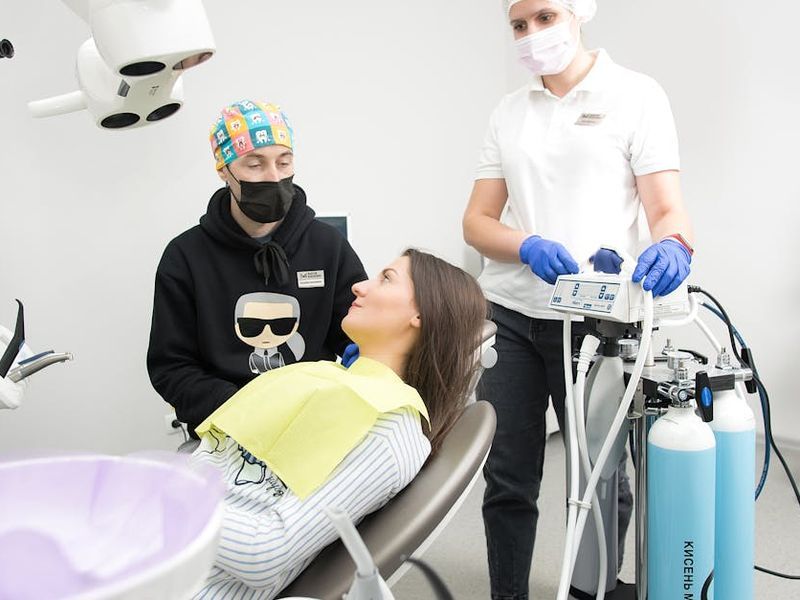
A routine dental visit in Cuenca usually follows the same structure you’ll find worldwide, but knowing the typical steps helps demystify the appointment:
- Medical history update: Expect questions about medications, chronic conditions, and recent changes in your health.
- Oral exam: Your dentist examines teeth, gums, tongue and soft tissues for signs of decay, disease or oral cancer.
- Professional cleaning (prophylaxis): Scaling to remove plaque and tartar, then polishing and sometimes a fluoride treatment.
- X-rays: Periapical or bitewing X-rays may be taken to spot hidden decay, bone loss or issues under the gumline.
- Treatment plan: If problems are found, you’ll receive options, timelines and cost estimates. In Cuenca, many dentists will discuss alternatives and give written estimates if you ask.
Finding and choosing a dentist in Cuenca
Cuenca has a robust selection of dental clinics ranging from small private offices to larger multi-specialty centers and university clinics. Use these steps to find a dentist who fits your needs:
- Ask the expat community: Local Facebook groups, WhatsApp threads and expat forums are full of recent recommendations and warnings about clinics and practitioners.
- Check credentials: Dentists in Ecuador use the title “Odontólogo.” Ask about professional registration with the local Colegio de Odontólogos or the Ministerio de Salud, and for any specialist certifications if you need advanced care.
- Read reviews: Google, Facebook and local directories will show patient feedback. Pay attention to comments on cleanliness, communication and language skills.
- Look for bilingual staff: If your Spanish is limited, check whether the dentist or front desk speaks English — many clinics in Cuenca cater to foreigners and have bilingual staff.
- Visit the clinic beforehand: If possible, tour the office to check sterilization equipment, the condition of the waiting room and how appointments are handled.
Costs in Cuenca — what to expect and how to budget
One of the attractions for expats is that dental care in Cuenca is significantly more affordable than in the United States and many parts of Europe. Prices vary by clinic, materials and practitioner experience, but approximate ranges in U.S. dollars (as of the time of writing) are:
- Routine cleaning: $20–$60
- Filling (amalgam/compomer): $30–$100 per tooth
- Simple extraction: $20–$80
- Root canal (single canal): $150–$500; multi-root canals higher
- Crowns: $200–$700 depending on material
- Dental implant (surgery + crown): $900–$2,000 — wide variability depending on brand and complexity
These numbers are rough estimates — always get an itemized written estimate before proceeding. Many clinics accept cash and card; Ecuador uses the U.S. dollar, which simplifies budgeting for North American expats. Some clinics offer payment plans for larger procedures, and university clinics can offer lower-cost care performed by supervised students.
Public coverage, private insurance and IESS
If you’re employed in Ecuador and enrolled in the Instituto Ecuatoriano de Seguridad Social (IESS), some dental services are available through the public system for contributors and their beneficiaries. Scope and wait times can vary, so many expats choose private care for faster access and a wider range of services.
International dental coverage or private Ecuadorian health insurance can help cover routine care and major procedures. If you plan to have significant dental work, ask your insurer whether procedures done abroad are covered and what documentation they require.
Managing dental emergencies in Cuenca
Dental emergencies — a knocked-out tooth, severe pain, infection, or a broken crown — can be stressful far from home. Here’s a quick emergency checklist tailored to Cuenca:
- Immediate steps: For a knocked-out tooth, keep it moist (milk or saliva), avoid touching the root, and see a dentist within an hour if possible. For severe pain, rinse with warm salt water and use over-the-counter pain relief.
- After-hours care: Several private clinics in Cuenca provide emergency appointments. If you can’t reach a dentist immediately, local pharmacies can sell temporary dental cement kits and topical analgesics — but these are stopgap measures.
- Infection signs: Fever, swelling that affects breathing or swallowing, or intense, spreading pain require prompt medical attention; visit an emergency room.
Prevention: daily habits that make check-ups easier and cheaper
A few simple habits significantly reduce the need for invasive dentistry. These are practical actions you can adopt while living in Cuenca:
- Brush twice a day with fluoride toothpaste: An electric toothbrush can improve cleaning effectiveness, especially for people with limited time.
- Floss daily or use interdental brushes: These remove plaque from between teeth where a brush can’t reach.
- Limit sugary snacks and acidic drinks: Frequent sugar exposure increases cavity risk. If you enjoy fruit juices or sodas at higher altitudes (Cuenca sits around 2,500 meters), rinse or drink water afterward to reduce acid contact.
- Stay hydrated: Dry mouth increases decay risk. If you take medications that cause dry mouth, mention this to your dentist — they may recommend saliva substitutes or special fluoride treatments.
- Use fluoride and sealants for kids: Ask your dentist about topical fluoride treatments and sealants to protect molars during childhood.
Special considerations for expats: language, records and continuity of care
Being an expat sometimes means your dental history is scattered across borders. Here are practical steps to keep your oral health organized:
- Bring previous records: If you have X-rays or treatment records from your home country, bring them on a USB drive or request digital copies from your previous dentist — they help with planning treatment.
- Ask for written treatment plans in English: Many Cuenca clinics will provide estimates and treatment plans in English if you request them; this helps avoid misunderstandings.
- Keep a dental file: Maintain a personal folder with dates of major procedures, warranties for crowns/implants and contacts for your dentist back home.
- Plan major work around travel: If you anticipate returning home frequently, schedule lengthy procedures when you can be present for follow-up visits or choose conservative approaches that reduce the need for frequent trips back to the clinic.
University clinics and cost-saving options in Cuenca
Cuenca hosts institutions with dental training programs that sometimes run clinics offering reduced-cost care provided by senior students under faculty supervision. These clinics can be a great option for routine work and for expats on a budget, but keep these points in mind:
- Expect longer appointment times because of teaching activities.
- Advanced or cosmetic work may be better handled by experienced clinicians in private practice.
- Always confirm supervision and ask about the level of experience of the student practitioner.
Questions to ask before treatment
Being prepared with a list of questions helps you make informed choices. Bring these to your consultation:
- What are my treatment options and the pros/cons of each?
- Can I get a written, itemized estimate and timeline?
- What sterilization protocols do you follow?
- Who will perform the procedure (dentist, specialist, student)?
- Do you offer guarantees for crowns, bridges or implants?
Final tips for maintaining great dental health in Cuenca
Living in Cuenca offers access to quality dental care at lower prices than in many home countries, but the best results come from combining smart local choices with excellent daily habits. Start with a six-month check-up when you arrive or soon after moving, keep a clear record of your dental history, and choose a bilingual clinic if you need extra communication support. For any persistent pain, swelling or an uncomfortable dental emergency, seek care promptly rather than waiting — early action often saves money and discomfort.
Regular dental check-ups are an investment in your quality of life as an expat: they protect your smile, support your general health, and help you enjoy life in Cuenca without avoidable dental setbacks. Book your appointment, ask questions, and keep a local dentist you trust on your healthcare team.
Quick checklist before your first Cuenca dentist visit
- Gather previous dental records and X-rays.
- Confirm whether the clinic is bilingual and request an estimate in English if needed.
- Bring ID and your IESS card if you plan to use public coverage.
- Ask about payment methods and whether installments are available for large procedures.
- Schedule follow-up visits or preventive cleanings before leaving the office.
With a proactive approach and the right local partner, keeping your teeth healthy in Cuenca is straightforward. Make prevention the priority and you’ll reap benefits for years to come.