
Table of Contents
Why regular dental check-ups matter — especially after you move to Cuenca
Moving to Cuenca brings sunshine, colonial streets, and a new rhythm of life — but it also means adjusting your healthcare routine. Regular dental check-ups aren’t just about a bright smile: they are a key part of preventing pain, catching problems early, and protecting your overall health. For expats, staying on top of dental care also helps avoid surprise costs and navigation hassles in a foreign system.
How often should you visit a dentist in Cuenca?
The classic recommendation is every six months, but frequency should be personalized. Low-risk adults with healthy gums may do well with two cleanings a year; those with gum disease, heavy plaque buildup, or chronic conditions like diabetes may need visits every three to four months. Children and teenagers often need more frequent care. Discuss your risk factors with a dentist to set a schedule that makes sense where you live.
Red flags that mean you should book a visit sooner
- Persistent toothache or sensitivity
- Bleeding gums or loose teeth
- New lumps, sores, or white/red patches in the mouth
- A broken, chipped, or knocked-out tooth
- Swelling of the face, jaw, or neck
In Cuenca you’ll find English-speaking dentists and clinics that can handle urgent care; still, seek help promptly to avoid infections that can require more intensive and expensive treatment.
What a comprehensive dental check-up in Cuenca typically includes
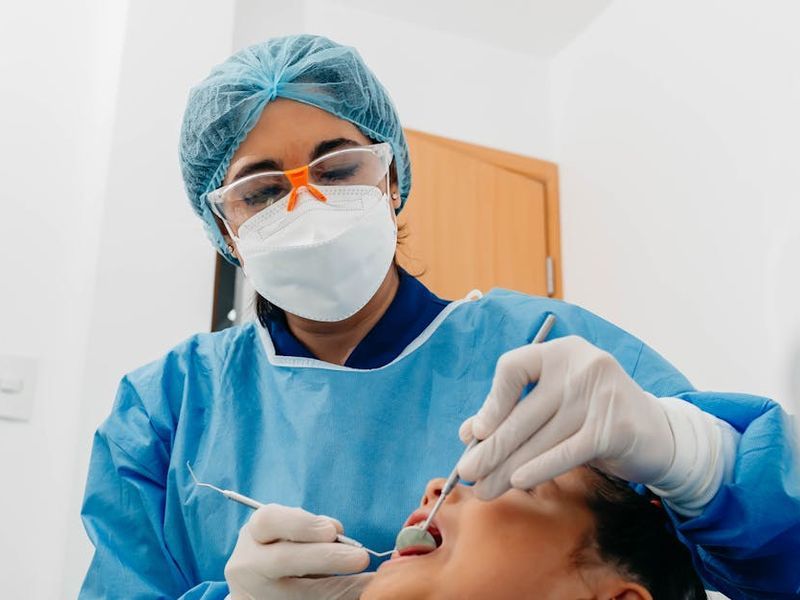
A thorough check-up is more than a quick look. Expect these components during a standard appointment:
- Medical and dental history review: Updates on medications, chronic illnesses, or changes in your health.
- Clinical exam: Teeth, gums, tongue, chewing joints, and bite are evaluated for signs of cavities, gum disease, or oral lesions.
- Digital X-rays or panoramic imaging: These reveal hidden decay, bone levels, and impacted teeth. Many modern clinics in Cuenca use digital radiography for quicker results.
- Professional cleaning (prophylaxis): Removal of plaque and tartar, polishing, and sometimes fluoride treatment.
- Periodontal charting: Measuring gum pockets when necessary to monitor or diagnose gum disease.
- Personalized treatment plan: Written or printed recommendations with estimated costs and timelines.
Understanding dental costs in Cuenca (practical ranges)
Ecuador uses the US dollar, which makes budgeting straightforward for North American expats. Prices vary by clinic, materials, and complexity, but here are ballpark ranges to help you plan:
- Routine cleaning: $15–$50
- Single intraoral X-ray: $10–$40 (full-mouth or panoramic will be higher)
- Composite filling: $30–$120
- Root canal (premolar/molars vary): $150–$500
- Crown (porcelain/metal options): $200–$700
- Dental implant (implant + crown): $700–$2,000+ depending on materials
These ranges reflect typical private clinic pricing in Cuenca. Public clinics or the dental school may offer lower-cost options; conversely, high-end or specialized practices may charge more. Always request a written estimate and ask what materials will be used.
Where to find dental care in Cuenca: public vs. private, and the dental school option
Cuenca offers a mix of options for dental care:
- Private clinics: Found in central neighborhoods like El Centro, Calle Larga, and near Parque Calderón. Many advertise bilingual staff and modern equipment.
- IESS and public health centers: If you contribute to Ecuador’s social security (IESS), you’re eligible for dental services through that system. Wait times and service levels vary, but costs are subsidized.
- Dental school clinics: The Universidad de Cuenca’s dental faculty often offers supervised student care at reduced prices — a good option for routine care and non-emergency procedures.
Ask neighbors, expat Facebook groups, and local WhatsApp community chats for recommendations. Word-of-mouth is powerful in Cuenca, and expat communities frequently share their experiences with specific clinics and dentists.
How to choose a trustworthy dentist in Cuenca
Selecting the right dentist involves more than checking opening hours. Here are practical steps:
- Verify credentials: Ask if the dentist is registered with the Colegio de Odontólogos or the Ministerio de Salud.
- Look for sterilization standards: Autoclave use, single-use disposables, and visible clean facilities are good signs.
- Request before-and-after photos for cosmetic procedures and ask about materials.
- Read Google and Facebook reviews; ask for patient references if you’re considering major work.
- Check language compatibility: Many dentists speak some English, but bring a Spanish speaker or translator for complex consultations if necessary.
- Get a written treatment plan and cost estimate. Ask about warranties or guarantees for crowns/implants.
Tips for expats: paperwork, payments, and continuity of care
Moving countries complicates medical history. Follow these steps to ensure smooth dental care in Cuenca:
- Bring copies of recent dental records and radiographs from your home country — they help new dentists assess your history quickly.
- Ask clinics whether they accept card payments, cash in USD, or transfer. Many accept credit cards but check for fees.
- If you plan major restorative work, discuss aftercare and what happens if you return home mid-treatment.
- Consider a local dental coordinator or bilingual clinic if you need ongoing or complex care — continuity matters for multi-step procedures like implants.
Preventive habits that make check-ups easier and less frequent
Regular professional visits are essential, but daily habits significantly reduce your need for major interventions. Practical habits to adopt:
- Brush at least twice daily with fluoride toothpaste and a soft-bristled brush; consider an electric toothbrush for more effective cleaning.
- Use interdental cleaners or floss daily to remove plaque from between teeth.
- Limit sugary and acidic beverages; if you drink fruit juices or soda, rinse with water afterward.
- Quit smoking — it accelerates gum disease and impairs healing.
- Stay hydrated and chew sugar-free gum after meals if you can’t brush immediately.
Dental emergencies in Cuenca: practical advice and quick actions
Accidents happen. Knowing how to respond can save a tooth and prevent infection:
- Knocked-out tooth: Handle by the crown (not the root), rinse gently, and if possible, reinsert into the socket and hold it in place. If that’s not possible, keep the tooth moist in milk or saline and get to an emergency dentist within 30–60 minutes.
- Severe pain or swelling: Contact a dentist immediately. If you can’t get in, visit an emergency room; antibiotics may be prescribed for infections but will not replace needed dental treatment.
- Chipped tooth: Save the fragment if you can and see a dentist. Many repairs can be completed quickly if you act fast.
Most private clinics in Cuenca accommodate same-day emergencies or provide recommendations for after-hours care.
Cosmetic dentistry and dental tourism — opportunities and cautions
Cuenca attracts people for cosmetic and restorative dentistry due to quality care at lower prices than many North American clinics. Veneers, crowns, and implants can be done affordably here. However, there are caveats:
- Research materials and lab partners. High-quality porcelain and reputable labs deliver more durable results.
- Plan for follow-up visits. Some cosmetic procedures require multiple appointments and adjustments.
- Avoid basing decisions only on price. Look at the dentist’s track record, reviews, and before/after galleries.
Final checklist for your next dental visit in Cuenca
- Bring ID, a list of medications, and past dental records if available.
- Confirm language support and payment methods before the appointment.
- Ask for a written treatment plan and cost estimate for any recommended work.
- Verify sterilization procedures and the clinic’s emergency policy.
- Schedule your next check-up before leaving the clinic to lock in a convenient time.
Conclusion: make dental check-ups part of your Cuenca routine
Regular dental check-ups are a small investment that pays off in comfort, confidence, and long-term savings — especially for expats living in Cuenca. With a mix of experienced private dentists, IESS services, and dental school options, you have choices to fit your needs and budget. Do your homework, establish a relationship with a trusted local dentist, and prioritize prevention. Your smile will thank you — and so will your wallet and your overall health.
Ready to schedule your first check-up? Start by asking fellow expats for recommendations, check Google and Facebook reviews, and make that appointment. Small steps now can prevent big problems later.