
Table of Contents
Why regular dental check-ups matter — beyond a bright smile
Regular dental check-ups do more than keep your teeth looking good: they protect your overall health. In Cuenca, where life is active and many expats are aging in place, a routine visit to the dentist is a small investment that prevents larger problems later. Dentists detect cavities, gum disease, oral cancer signs, systemic conditions reflected in the mouth, and issues that can affect nutrition, speech, and quality of life.
When to schedule dental visits: a practical timeline
Most people benefit from a preventive exam and cleaning every six months. This interval allows your dentist or hygienist to remove plaque and tartar before they cause irreversible damage. However, there are important exceptions:
- Every six months: Routine check-up and cleaning for adults with good oral health.
- Every three to four months: People with periodontal (gum) disease, uncontrolled diabetes, or heavy smokers often require more frequent visits.
- Children: The American Academy of Pediatric Dentistry recommends the first dental visit by the child’s first birthday or when the first tooth appears. After that, visits are typically every six months.
- Following dental work: After procedures such as extractions, implants, or root canals you’ll need scheduled follow-ups to monitor healing.
- Emergency: Severe pain, swelling, fever, or trauma to the mouth requires urgent attention—don’t wait for a routine appointment.
What actually happens during a check-up
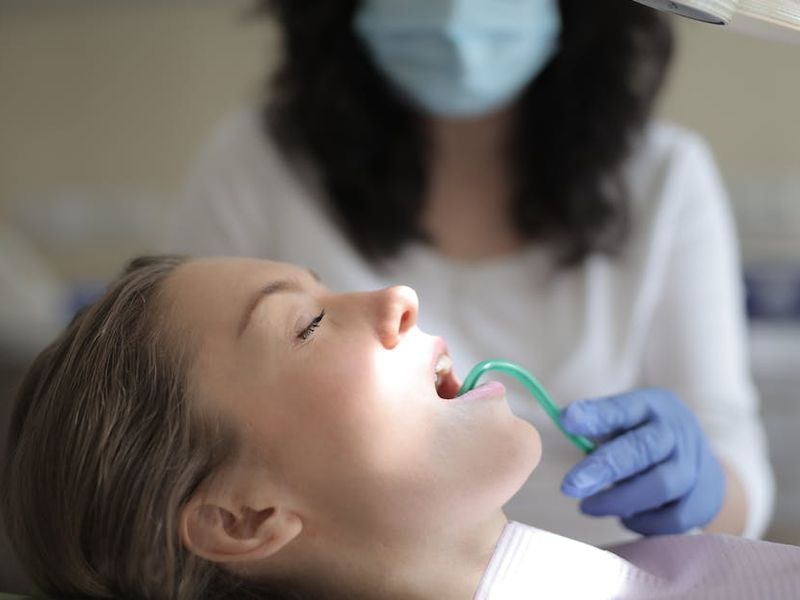
A standard dental check-up is a series of short, targeted steps meant to assess and maintain oral health. Expect the following:
- Medical history update: Your dentist will ask about medications, allergies, and overall health—important for safe treatment.
- Examination: Teeth, gums, soft tissues, jaw joints, and bite are inspected. An oral cancer screening is usually included.
- X-rays: Bitewing or panoramic X-rays may be taken periodically to detect decay, bone loss, and other hidden issues. Many Cuenca clinics use digital X-rays for lower radiation and faster results.
- Cleaning (prophylaxis): A hygienist removes plaque and tartar, polishes teeth, and gives oral hygiene advice.
- Treatment planning: If problems are found, your dentist will outline options, estimated costs, and timelines.
Cost realities in Cuenca: what to expect
One advantage of living in Cuenca is affordability. Dental care here is generally less expensive than in the U.S., Canada, or parts of Europe, while many clinics maintain high standards. Approximate ranges (USD) you might see:
- Routine exam and cleaning: $20–$60
- Basic filling: $30–$120 depending on material and complexity
- Root canal (single canal): $150–$500
- Crown (porcelain/metal or zirconia): $300–$900
- Single dental implant: $900–$2,500 (wide range because of implant brand and prosthetic choice)
These are approximations. Prices vary by clinic location (downtown vs. neighborhood), equipment, materials, and the dentist’s experience. Always ask for a written estimate and, if possible, a breakdown of costs.
Finding the right dentist in Cuenca
Cuenca has many private clinics, university dental programs, and larger hospitals with dental departments. Here are steps to choose wisely:
- Ask local expat communities: Facebook groups, Meetups, and the Cuenca expat forum are excellent places to get recent, practical referrals.
- Visit the clinic: Check for cleanliness, modern equipment (digital X-rays, sterilization area), and friendly staff.
- Verify credentials: Dentists must be licensed through Ecuador’s dental association or the local Colegio de Odontólogos. Don’t hesitate to ask about where they trained and how long they’ve practiced.
- Consider the dental school: University clinics often provide lower-cost care under senior supervision—great for routine work and learning about treatment plans.
- Language and communication: If you don’t speak Spanish, look for clinics with English-speaking staff or bring a bilingual friend. Clear communication about treatment and consent is essential.
Private clinic vs. university clinic vs. public hospital
Each option has pros and cons. Private clinics typically offer more immediate appointments, English-speaking staff, and a wider range of cosmetic services. University clinics (often associated with the Universidad de Cuenca or private dental faculties) can be very affordable and transparent, with students supervised by specialists. Public hospitals may provide essential services and emergency care but can have longer wait times.
Prevention and home care: what actually helps
Dental check-ups are important, but daily care does the heavy lifting. Practical steps that work well in Cuenca and are easy for expats to maintain:
- Brush twice a day with a fluoride toothpaste and a soft-bristled brush or an electric toothbrush.
- Clean between teeth daily using floss or interdental brushes, especially if you have bridges or wide gaps.
- Limit sugary snacks and sodas—local fruit juices and sweets can be high in sugar. Rinse or brush after consumption when possible.
- Use fluoride mouthwash if recommended by your dentist, particularly if your drinking water is not fluoridated.
- Quit smoking or using tobacco; it greatly increases the risk of gum disease and oral cancer.
- Stay hydrated and chew sugar-free gum after meals if you can’t brush—this stimulates saliva and helps neutralize acids.
Special considerations for expats and retirees
Many expats in Cuenca are retirees. Aging brings specific dental needs: dry mouth from medications, increased risk of root decay, and a higher chance of gum disease or denture-related issues. Plan for more frequent dental visits if you have chronic conditions such as diabetes. If you take multiple medications, bring an up-to-date medication list to each appointment and discuss possible oral side effects with your dentist.
Dental emergencies: where to go and what to do
Not every urgent dental problem requires a full emergency room visit. For severe pain, facial swelling, uncontrolled bleeding, or signs of systemic infection (fever, difficulty breathing), seek immediate medical care. For knocked-out teeth, time matters: rinse the tooth (don’t scrub), keep it moist in milk or saline, and arrive at the dentist within an hour if possible. Many private dental clinics in Cuenca can handle emergencies—call ahead, describe the problem, and ask for the earliest appointment.
Dental tourism and major procedures: planning ahead
Cuenca is a popular destination for dental tourism because prices are often lower and the city has many capable dentists. If you’re planning implants, full-mouth rehabilitation, or complex cosmetic work:
- Get a detailed written plan: Include number of visits, types of materials, timelines, and warranties for work like implants and crowns.
- Ask for before-and-after photos: Reputable clinics should be able to show clinical cases similar to yours.
- Consider staged visits: Complex care may require multiple trips unless you plan an extended stay.
- Verify aftercare: Who will handle complications if you return home? Ask for emergency contact options and a written maintenance plan.
Questions to ask at your first visit
Arrive prepared. A few smart questions help you understand treatment options and avoid surprises:
- What are the findings from my exam and X-rays?
- What are my treatment options, risks, and expected costs?
- How long will treatment take, and what is the recovery like?
- What materials do you use for fillings, crowns, and implants?
- Can you provide references or before/after cases for similar procedures?
Practical tips for a smooth appointment in Cuenca
Make your visit easier with these local tips:
- Bring ID and any insurance information: Even with out-of-pocket payments you may need to complete registration forms.
- Ask about payment methods: Many clinics accept cash (USD), credit cards, and bank transfers. Some offer payment plans for large procedures.
- Appointment times: Many clinics operate Monday–Friday with Saturday mornings available. Confirm schedules; some practices close midday for lunch.
- Language help: If you don’t speak Spanish, ask if an English-speaking staff member will be available or bring someone who can translate.
- Bring your medical list: A current list of medications and allergies is especially important for seniors and those with chronic conditions.
Final thoughts: turning routine care into long-term value
Regular dental check-ups are one of the most cost-effective ways to invest in your health in Cuenca. They catch small problems before they become costly and painful, improve nutrition and comfort, and help maintain your appearance and confidence. Whether you’re a local resident, a long-term expat, or visiting for dental work, use the many resources available—local dental schools, expat forums, and reputable private clinics—to make informed choices. With a solid dental team and consistent home care, you’ll enjoy Cuenca’s active lifestyle with fewer dental worries.
Quick checklist before your next dental visit
- Book an appointment—aim for every six months if healthy.
- Bring ID, medications list, and previous dental records if available.
- Confirm language support and payment options.
- Ask for a written treatment plan and cost estimate for any recommended procedures.
- Follow up as recommended—3 months for gum disease, 6 months for routine care.
In Cuenca, consistent dental care is accessible and affordable—when paired with sensible daily habits and careful planning, it’s a straightforward path to long-term oral and overall health.