
Table of Contents
Why regular dental visits matter — beyond a sparkling smile
Most people think of dentistry only when a tooth hurts. In reality, routine dental check-ups prevent small problems from becoming urgent, protect your overall health, and save money over time. Dental visits detect cavities, periodontal (gum) disease, oral cancer and infections early — conditions that are far easier and cheaper to treat in the early stages.
For expats and retirees in Cuenca, regular care also provides continuity. A trusted dentist can monitor changes related to aging, medications, or chronic conditions like diabetes and heart disease, all of which affect oral health. Preventive care keeps you eating comfortably, speaking clearly, and enjoying local food without worry.
How often should you see a dentist?
General guidance is simple: most adults benefit from a check-up and professional cleaning every six months. That frequency is a starting point and may change based on your situation:
- Every 3–4 months: if you have active gum disease, heavy tartar buildup or a history of rapid decay.
- Every 6 months: typical schedule for healthy adults with low risk.
- Once a year: some low-risk individuals may work with their dentist on an annual plan, but most professionals still recommend twice yearly cleanings.
- Children: start with a dental visit when the first tooth appears or by age one, and continue every 6 months or as recommended.
- Seniors and denture wearers: more frequent checks to monitor gum health, fit of dentures, and signs of oral cancer or dry mouth.
Signs you need to see a dentist right away
Don’t wait for the next scheduled cleaning if you notice:
- Persistent tooth pain or sharp pain when biting
- Swelling in the face or mouth, or a painful lump
- Bleeding gums that don’t improve with better brushing
- Loose teeth or changes in bite alignment
- Non-healing mouth sores or white/red patches
- Foul or persistent bad breath
- Knocked-out tooth — time-sensitive emergency care is critical
What to expect during a typical check-up in Cuenca
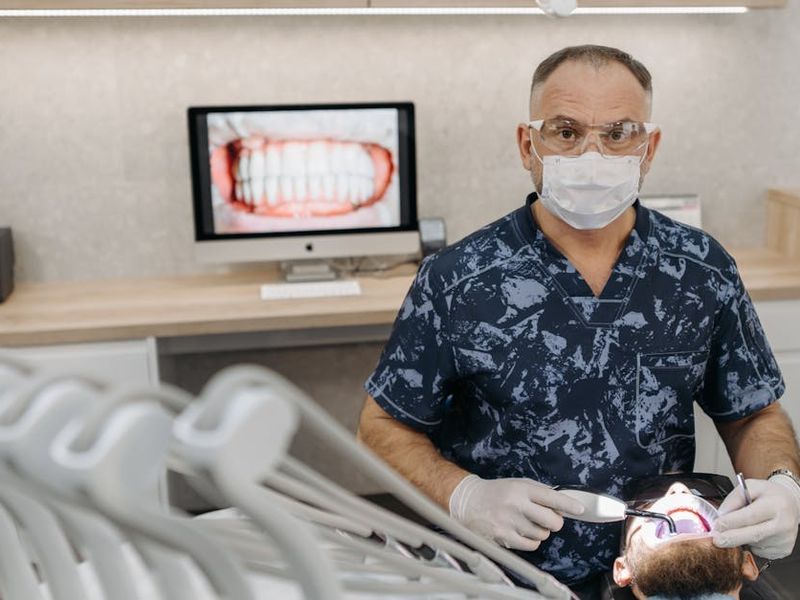
Most routine visits follow a familiar structure. An initial exam will review your medical and dental history (bring any recent treatment records if you’re a new patient). The hygienist will usually provide a thorough cleaning to remove plaque and tartar, polish your teeth, and offer targeted instruction on brushing and flossing techniques.
The dentist then performs an oral exam to check for cavities, gum disease and other oral health concerns. X-rays may be recommended to see areas not visible to the naked eye. If a treatment is needed, you should receive a written plan and cost estimate before work begins.
Finding the right dental clinic in Cuenca
Cuenca offers a range of dental options: private practices, clinics associated with hospitals, and low-cost services through university dental programs. Here’s how to choose:
- Ask for recommendations: Expat groups on Facebook and local forums are excellent resources for first-hand experiences.
- Check credentials: inquire about the dentist’s qualifications and whether the clinic is affiliated with professional associations or a local university.
- Visit in person: look for cleanliness, modern equipment, and strict sterilization practices. A short tour or meeting with staff can tell you a lot.
- Language and comfort: many dentists in Cuenca speak Spanish; some speak English. If you’re not fluent, ask whether staff can communicate in English or whether translation is available.
- Compare costs and payment methods: most clinics accept cash, cards and sometimes insurance. Remember Ecuador uses the US dollar, which simplifies budgeting for many expats.
Public vs. private care and cost expectations
Public options like IESS (the Ecuadorian Social Security system) provide dental services to contributors and pensioners at subsidized rates. Private clinics tend to offer faster scheduling, more amenities, and a wider range of specialty services such as implants and complex oral surgery.
Cost examples (approximate ranges to help you plan): routine cleanings are often modestly priced, fillings and extractions are inexpensive compared to many other countries, and crowns or implants are significantly cheaper than in North America or Western Europe. Ask for a detailed estimate and whether fees include follow-up visits or materials.
Dental tourism in Cuenca — practical considerations
Many visitors combine travel to Cuenca with dental work because of affordable pricing and high-quality care. If you’re considering dental tourism, plan carefully:
- Research clinics and read recent patient reviews.
- Schedule a pre-treatment consultation to get a written plan, timeline, and clear cost breakdown.
- Factor in recovery time before flying home — some procedures require days to weeks of follow-up.
- Check warranty or aftercare policies in case work needs adjustments after you return home.
Practical tips for first-time patients and expats
Moving to a new city can disrupt your dental continuity. Use these steps to simplify the transition:
- Bring your dental records and X-rays from your previous dentist when possible — this speeds diagnosis and prevents unnecessary repeat X-rays.
- Keep a file with current medication lists, allergies and medical conditions; some medicines affect dental treatment.
- Ask for a written treatment plan and an itemized quote before major work begins.
- Confirm whether the clinic offers digital records and whether they will send copies to your previous dentist if needed.
- Use WhatsApp or phone to book appointments — many clinics in Cuenca are responsive through messaging apps.
Everyday habits that reduce the need for dental treatment
Prevention starts at home. Simple daily habits reduce decay and gum disease and will make your dental visits easier and less frequent:
- Brush twice daily with fluoride toothpaste, using a soft-bristled or electric toothbrush for two minutes.
- Floss once daily or use interdental brushes for tight spaces.
- Limit sugary snacks and frequent sipping of sugary or acidic drinks — local fruit juices are delicious but consume them with meals where possible.
- Use a fluoride mouthwash if recommended by your dentist.
- Stay hydrated and consider sugar-free gum after meals to stimulate saliva and neutralize acids.
Special considerations: pregnancy, seniors, and chronic illnesses
Pregnancy: dental care is safe and important during pregnancy. Untreated gum disease has links to pregnancy complications, so routine cleanings and treatment of infections are recommended. Always tell your dentist if you are pregnant; they will advise on timing for certain procedures and the safe use of medications.
Seniors: dry mouth from medications and receding gums increase risk for cavities. Regular checks for root decay and denture fit are essential. Ask about fluoride treatments and options to manage sensitivity.
Chronic illnesses: conditions like diabetes increase risk of periodontal disease. If you have a chronic condition, coordinate dental care with your medical provider and schedule more frequent cleanings if recommended.
What to do in a dental emergency in Cuenca
Dental emergencies can be stressful, but a calm, practical approach helps:
- Knocked-out tooth: handle by the crown (not the root), rinse gently if dirty, and place it in milk or saline and get to a dentist immediately — ideally within an hour.
- Severe pain or swelling: contact a dentist or head to hospital emergency services; infections can spread and require prompt treatment.
- Broken crown or filling: save any fragments and see your dentist promptly to avoid further damage.
- Lost denture or sharp broken tooth: use orthodontic wax or sugar-free gum to cover sharp edges temporarily and seek repair.
Questions to ask your Cuenca dentist
Being prepared with questions helps you make informed choices:
- What are the treatment options and their pros/cons?
- Can you provide an itemized estimate and expected timeline?
- Do you provide a written warranty or follow-up care for restorations?
- What sterilization protocols do you follow?
- Are there alternative preventive measures I can take at home?
Wrap-up: building a long-term dental plan in Cuenca
Regular dental check-ups are a small investment with big returns: better health, fewer emergencies, and more confidence when you smile. For expats and locals in Cuenca, take advantage of the city’s diverse dental options, ask questions, and maintain a relationship with a trusted dentist. With a preventive mindset and a practical plan, you’ll enjoy Cuenca’s cuisine and lifestyle with fewer dental worries.
Start today: book a check-up, bring your records, and ask for a written care plan — small steps that keep your smile healthy for years to come.