
Table of Contents
Why Spend a Week in Cuenca?
Cuenca is one of Ecuador’s most charming cities: colonial architecture, a lively arts scene, market culture, and easy access to mountain landscapes. A week gives you enough time to unwind at high altitude, explore the historic downtown, visit museums and local markets, and take two full-day trips without rushing. This guide lays out a balanced seven-day plan with practical tips for first-time visitors and repeat travelers who want to dig deeper.
Quick Practical Facts Before You Go
Cuenca sits at about 2,560 meters (roughly 8,400 feet) in Ecuador’s southern highlands. The currency is the U.S. dollar, and Spanish is the dominant language—many people in tourism speak some English. The climate is mild year-round, but expect afternoon showers in the wetter months. Taxis are inexpensive, many central sites are walkable, and the city’s compact center makes it ideal for exploration on foot.
Essentials
- Altitude: 2,560 m—take it easy the first day, hydrate, avoid heavy exercise immediately.
- Currency: U.S. dollar; ATMs widely available but carry some cash for markets.
- Transport: Taxis, coletivos (local buses), and some rideshare options; the airport is Mariscal Lamar (CUE).
- Weather: Bring layers and a light rain jacket—sunny mornings can give way to wet afternoons.
Day-by-Day: One Perfect Week in Cuenca
This itinerary mixes must-see highlights with local experiences. Timings are flexible—adapt based on your pace and weather.
Day 1 – Arrival and Easy Orientation
Arrive, check into your hotel or apartment, and take a slow stroll around the historic core to acclimatize. Head to Parque Calderón—this is the heart of the old city and an excellent place to orient yourself. From here you can admire the blue domes of the New Cathedral (Catedral de la Inmaculada Concepción) and the lively flower stalls at Plaza de las Flores.
Spend the evening at a café near the square to watch locals and visitors pass by. Keep activities light: a short walk along the Tomebamba River or an early dinner with traditional Ecuadorian dishes will help your body adjust to the altitude.
Day 2 – Historic Center Deep Dive
Dedicate your second day to exploring the colonial core on foot. Highlights to include:
- New Cathedral: Walk inside or climb the towers for sweeping city views.
- Old Cathedral (Catedral Vieja): Now an art and exhibition space with evocative interiors.
- Plaza de las Flores: Perfect for people-watching and buying locally woven textiles or fresh bouquets.
- Puente Roto and riverside promenades: Photogenic stone bridges and the manicured banks of the Tomebamba River.
Look out for nearby artisan shops selling Panama hats (made in Ecuador), leatherwork, and handmade jewelry. Lunch in the historic center—try local classics like llapingachos (potato patties), mote (hominy), and hornado (roast pork).
Day 3 – Museums, Markets, and Coffee Culture
Start at Museo Pumapungo, which combines an ethnographic museum with archaeological remains and small reconstructed indigenous houses. Nearby, explore the Central Market (Mercado 10 de Agosto or similar local markets), where you’ll see fresh produce, Andean grains, and stalls selling local specialties.
In the afternoon, pick a couple of the city’s smaller museums—options include a museum of modern art and municipal museums focused on local history. Cuenca’s café scene is lively: seek out a local roaster for an afternoon cuppa and freshly baked pan.
Day 4 – Miradores, Churches, and a Sunset View
Take a morning walk across the Tomebamba to the neighborhood of San Sebastián for a more local atmosphere. Then head up to Mirador de Turi, one of the best lookout points for panoramic views of Cuenca and surrounding valleys. Photograph the city at golden hour from the viewpoint, and consider visiting the small chapel and artisan stalls there.
In the evening, return to the center for dinner at a mid-range restaurant or sample several bites at a food market. Cuenca’s nightlife is relaxed—look for live acoustic music or a rooftop bar with cathedral views.
Day 5 – Day Trip to El Cajas National Park
El Cajas is a must for nature lovers: glacial-carved lagoons, moorlands (páramo), and crisp mountain air. The park sits about an hour northwest of Cuenca by car. Pack layers, waterproof gear, water, and snacks. Popular short hikes include routes around Laguna Toreadora or the larger trail circuits if you want a full-day trek. Birdwatchers will delight in the highland species; photographers will find dramatic landscapes at every turn.
Return to Cuenca in the evening for a relaxed meal and a soak in warm soup to refresh aching muscles.
Day 6 – Ingapirca or Artisan Towns: Choose Your Adventure
Option A — Ingapirca: Travel east to visit Ingapirca, Ecuador’s most important Inca ruin. The stone structures and sun temple offer a compelling look at pre-Columbian history. Guided tours provide context about Inca and Cañari cultures and make the site come alive.
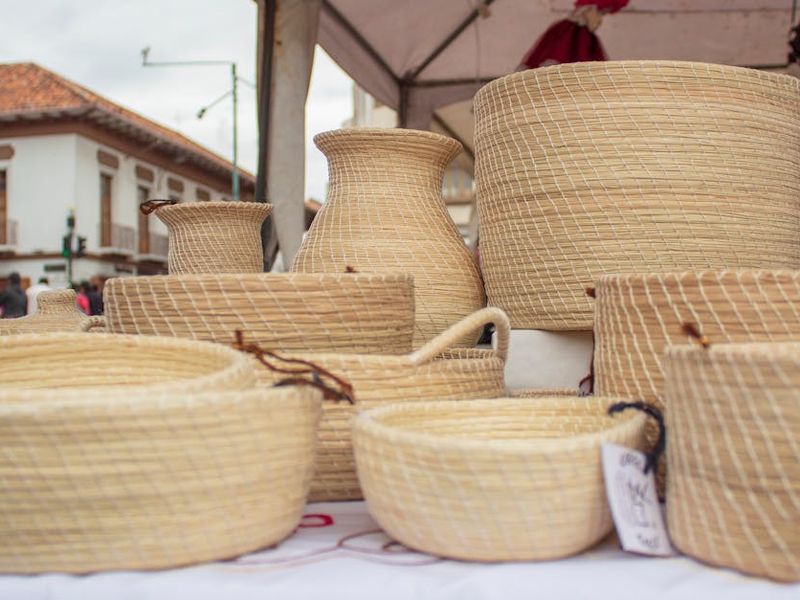
Option B — Gualaceo and Chordeleg: If you prefer artisan crafts, visit nearby towns known for weaving, pottery, and silver filigree. Chordeleg is famous for jewelry; Gualaceo offers colorful markets and local textile traditions. This route is ideal for picking up unique souvenirs and watching artisans at work.
Day 7 – Slow Morning, Cooking Class, and Farewell
For your final day, keep things leisurely. Revisit a favorite café, buy any last-minute gifts, and consider a short cooking class—many local chefs and community groups run classes where you can learn to prepare Ecuadorian staples like encebollado or llapingachos.
Spend your last afternoon wandering the neighborhoods—Hospital La Merced and El Vergel offer quieter streets and interesting churches. End with a relaxed farewell dinner enjoying views of the cathedral or a riverside table.
Where to Stay: Neighborhoods That Work
Cuenca’s compact center means you’re rarely far from attractions. Popular neighborhoods include:
- Centro Histórico (around Parque Calderón): Best for first-time visitors who want to be in the heart of the action.
- San Sebastián: A slightly more local vibe with cafes and small shops.
- Tunshuma / El Batán: Good for quieter stays close to parks and miradores.
Choose based on your priorities: nightlife and restaurants (Centro), calm and local life (San Sebastián), or proximity to parks (Tunshuma). Many visitors prefer a small boutique hotel with traditional decor or a modern apartment rental for longer stays.
Food and Drink: What to Try
Cuenca’s cuisine blends Andean staples and Spanish influences. Don’t miss:
- Cuy: Guinea pig—served roasted in many traditional restaurants.
- Llapingachos: Fried potato cakes often served with sausages, eggs, and salad.
- Hornado: Slow-roasted pork, commonly eaten with hominy and corn fritters.
- Mote: Boiled hominy used in soups and stews.
- Fresh fruit juices and local coffee: Seek out small roasters for a superior cup.
Dining ranges from inexpensive market meals to fine dining. Tipping of around 10% is appreciated though not always mandatory.
Practical Tips, Safety, and Health
Altitude considerations are real but manageable at Cuenca’s elevation. Tips to acclimatize:
- Take the first 24 hours slow—avoid strenuous hikes immediately after arrival.
- Drink plenty of water and avoid heavy alcohol your first night.
- Consider altitude medication if you’ve had prior issues, and consult your doctor before travel.
Tap water in Cuenca is generally treated and many locals drink it. If you prefer peace of mind, bottled water is inexpensive. Cuenca is relatively safe—use common-sense precautions: keep valuables secure, use well-lit streets at night, and take official taxis from hotels or restaurant staff when possible.
Budget and Costs
Cuenca is affordable compared to North American and European cities. Rough daily budget estimates (per person):
- Budget traveler: $25–$50 (hostel or budget hotel, markets and cheap eats, local buses)
- Mid-range: $50–$120 (comfortable hotel or Airbnb, restaurant meals, a day trip)
- Splurge: $120+ (high-end hotels, guided private tours, dining at nicer restaurants)
Day trips like El Cajas or Ingapirca typically cost $30–$80 depending on whether you join a group or hire a private guide and include transportation.
Packing List for a Week in Cuenca
- Layered clothing: lightweight base layers, a warm mid-layer, and a waterproof outer layer.
- Comfortable walking shoes with good traction for cobblestones and trails.
- Sun protection: sunscreen, sunglasses, and a hat—UV is strong at altitude.
- Daypack for hikes and day trips, refillable water bottle, basic first-aid items.
- Plug adapter (Ecuador uses types A and B, 110V), photocopies of travel documents.
Alternatives and Customizing Your Week
Not everyone wants the same balance of culture and nature. Alternatives to swap into your plan:
- Replace an artisan town day with a cooking course or a bike tour around the outskirts of the city.
- If you’re an active hiker, add a second full day in El Cajas to tackle longer trails and remote lagoons.
- Photography-focused visitors may spend a sunrise at Turi, then a full day photographing the museums, markets, and bridges during the softer light of morning and evening.
Final Thoughts: Slow Travel in a Classic Andean City
Cuenca rewards a slower pace. Rather than rushing through its plazas and museums, take time to sit with a coffee, visit a market more than once, and let the rhythm of the city slow your travel tempo. A week allows you to strike a satisfying balance between city life and natural escapes—by the end of seven days you’ll have a solid grasp of why Cuenca is beloved by locals and visitors alike.
Whether you’re here for the architecture, the mountains, or the artisan traditions, this weeklong plan offers structure and room for serendipity. Pack thoughtfully, respect the local culture, and leave time to linger—Cuenca often gives its best impressions when you least expect them.