
Table of Contents
Why regular dental check-ups are more than a bright smile
Routine dental appointments do more than polish your teeth. They detect problems early, prevent pain and expensive treatments, and protect your overall health. For expats and long-term residents in Cuenca, Ecuador, understanding how often to see a dentist and what to expect can save time, money, and stress.
How often should you visit the dentist?
Standard advice is a dental visit every six months for most healthy adults. But that’s a baseline. Individual needs vary:
- Every 3–4 months: People with active gum disease (periodontitis), uncontrolled diabetes, or heavy smokers.
- Every 6 months: Most adults with healthy gums and no major dental work.
- Every 12 months: Some low-risk, younger adults may be able to stretch to yearly check-ups if their dentist agrees.
- Children: Start dental visits by their first birthday or when the first tooth appears; many kids do well with visits every six months.
Local conditions can change recommendations. For example, if your dentist in Cuenca notices early decay on X-rays or erosion from frequent acidic beverages, they’ll likely ask to see you more often.
What happens during a typical exam in Cuenca?
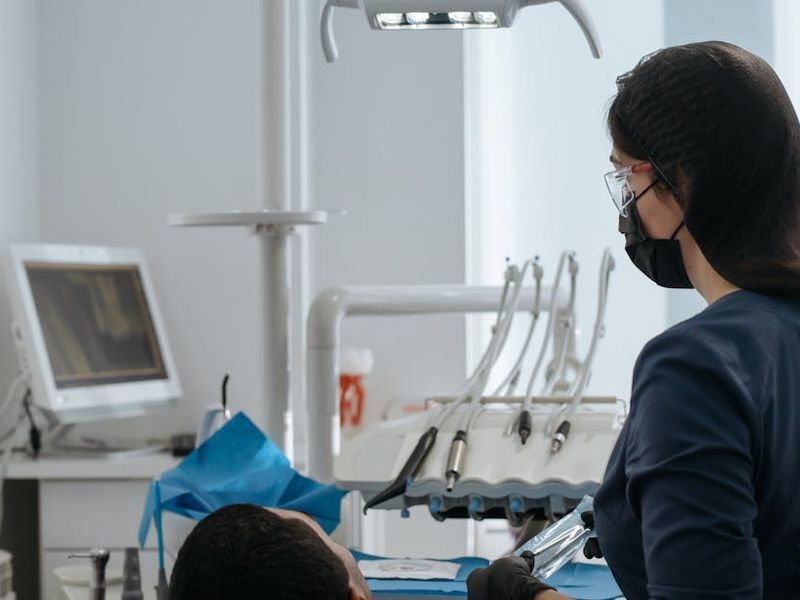
A regular check-up usually includes:
- A medical and dental history update. Tell them about medications, chronic conditions, and any dental work you had abroad.
- Soft tissue exam. The dentist checks gums, tongue, cheeks and throat for inflammation or lesions.
- Cleaning (prophylaxis) by a dental hygienist, including tartar removal above and below the gum line.
- X-rays as needed. Panoramic or bitewing X-rays reveal decay between teeth, bone loss, and development problems.
- Oral hygiene coaching. Expect tips on brushing, flossing technique, and product recommendations.
In Cuenca many clinics offer digital X-rays and modern sterilization practices. If these are priorities for you, ask about equipment and infection control before booking.
Why preventive care saves money and hassle
Treatments caught early are simpler and cheaper. A small filling is quicker and less costly than a crown or root canal. Regular cleaning prevents gum disease, which can otherwise lead to tooth loss and expensive implants or dentures.
Typical price ranges (approximate) in Cuenca for common procedures:
- Basic cleaning: $20–$50
- Filling (composite): $40–$120
- Root canal (single-root): $100–$300
- Crown: $180–$500
- Dental implant: $700–$1,500 (implant and crown combined varies by material)
These ranges change with materials, clinic reputation, and specialist fees. Even if you plan a major restoration, maintaining routine visits will reduce the chance of emergency breakdowns during treatment.
Signs you should see a dentist right away
Don’t wait for your scheduled check-up if you notice any of the following:
- Sudden, severe tooth pain or a persistent ache
- Swelling in the gums, face, or jaw (could indicate infection)
- Bleeding gums that don’t stop after gentle brushing
- Loose teeth or a tooth that moved after trauma
- A cracked or chipped tooth with sharp edges
- An abscess (pus, bad taste or bad smell in the mouth)
Cuenca has clinics and emergency dental services; if pain is accompanied by fever or severe swelling, seek care promptly — untreated oral infections can spread and become serious.
Choosing the right dentist in Cuenca
Finding the best dentist for your needs is easier if you know what to look for. Here are practical steps for expats and residents:
- Ask local expat groups: Facebook groups, Meetups, or language exchange networks in Cuenca are excellent sources of firsthand recommendations.
- Check language skills: Many dentists in Cuenca speak at least basic English, but ask ahead for bilingual staff if you prefer conversations in English.
- Verify credentials: Ask about the dentist’s training and membership in the local dental association or college. Most clinics will be proud to share certifications.
- Tour the clinic: If possible, visit to review cleanliness, equipment, and sterilization protocols. Digital X-rays and modern suction/scalers are a good sign.
- Get written estimates: For bigger procedures, ask for itemized cost estimates and a proposed timeline.
Navigating costs and insurance in Ecuador
Costa del claro: dental care in Cuenca is generally more affordable than in North America or Europe. Many expats combine a mix of local dental insurance, private pay, and occasional trips for big procedures if they travel to family abroad.
Useful tips:
- Bring prior records: If you had recent X-rays or treatment elsewhere, bring copies or request digital files from your former dentist — it can avoid duplicate X-rays.
- Ask about payment plans: Many clinics accept cash, cards, and sometimes split payments for larger work. A few offer financing options.
- Understand warranty policies: Ask how clinics handle adjustments, repairs, or complications after crowns, bridges, or implants.
Dental care for special groups
Children
Start dental visits early. Pediatric dentists in Cuenca can help with habits like thumb-sucking, evaluate eruption patterns, and place sealants to prevent cavities.
Pregnant women
Routine dental care is safe during pregnancy and important because hormonal changes can increase gum inflammation. Inform your dentist about your pregnancy and any medical restrictions.
Seniors
Older adults often need more frequent monitoring. Dry mouth from medications, root decay, and denture maintenance are common concerns. Bring a list of medications so the dentist can account for side effects.
Language, cultural tips, and communication
If Spanish isn’t your first language, it helps to:
- Learn basic dental terms in Spanish (caries = cavities, encías = gums, limpieza = cleaning).
- Bring a bilingual friend or use translation apps for detailed consent discussions.
- Request to see before-and-after photos of previous patients for major treatments — many clinics maintain visual portfolios.
Dentists in Cuenca are used to working with international patients; clear communication ensures you understand treatment options and follow-up care.
Practical prevention tips for day-to-day oral health
Good home care complements professional visits. Small daily habits prevent many problems:
- Brush twice daily for two minutes with fluoride toothpaste.
- Floss once a day; interdental brushes are helpful for bridges and wide spaces.
- Limit sugary snacks and frequent fruit juices — frequent snacking increases cavity risk.
- Use an alcohol-free mouthwash if you have dry mouth or sensitivity.
- Drink plenty of water; if you use bottled water, remember it won’t have added fluoride (if that’s a concern, discuss fluoride treatments with your dentist).
Dental tourism and major restorations: what to consider
Some people travel to Cuenca or Ecuador for substantial dental work because of cost savings. If you’re considering major restorations here:
- Plan for multiple visits: implants and complex prosthetics require several appointments spread over months.
- Request a treatment timeline and contingency plan if you return home before the work is finished.
- Check for guarantees and who will handle complications after you leave.
- Consider travel flexibility. If follow-up visits are needed, you may need to return to Cuenca or find an agreement with a local dentist in your home country for maintenance.
Preparing for your first visit in Cuenca
Make the most of your first appointment with this checklist:
- Bring a photo ID and any local health insurance or public insurance (if applicable).
- Carry a list of current medications and allergies.
- Bring prior dental records and X-rays on a USB or digital file if possible.
- Wear comfortable clothing and arrive a little early for paperwork.
- Ask for an itemized treatment plan and estimate before consenting to major procedures.
Final thoughts: make check-ups part of life in Cuenca
Living in Cuenca offers many advantages: affordable healthcare, a friendly expat community, and easy access to skilled dentists. Regular dental check-ups are your best investment in long-term comfort and oral health. They prevent small issues from becoming emergencies, protect your overall health, and often cost far less than delayed treatments.
Whether you’re new to Cuenca or have lived here for years, schedule your dental check-up, ask questions, and choose a clinic where you feel comfortable. A proactive approach keeps your smile healthy and lets you enjoy the food, culture, and active lifestyle this beautiful city has to offer.
Quick action step: If your last dental visit was over a year ago, book a preventive exam and cleaning this month. It’s the simplest way to avoid bigger problems later.