
Table of Contents
Why Cuenca Is a Great Base for Outdoor Adventure
Cuenca’s cobblestone streets, colonial plazas and coffee houses are only half of the story. Surrounded by high Andean páramo, river valleys and cloud-forests, the city sits within an hour or two of dramatically different landscapes. That makes it a perfect home base for hikers, bikers, birders and photographers who want to escape the city for a day or plan multi-day treks.
In this guide I’ll cover the best nearby outdoor destinations, practical tips for altitude and weather, sample day-trip itineraries, and safety and gear recommendations. Whether you’re a casual walker or an experienced mountain biker, you’ll find routes to match your pace and interest.
Top Natural Areas Near Cuenca
There are several distinct ecosystems you can reach quickly from Cuenca. Each offers different scenery, wildlife and challenges.
Parque Nacional Cajas (El Cajas)
Distance: about 30–60 minutes by car; Altitude: 3,150–4,450 m
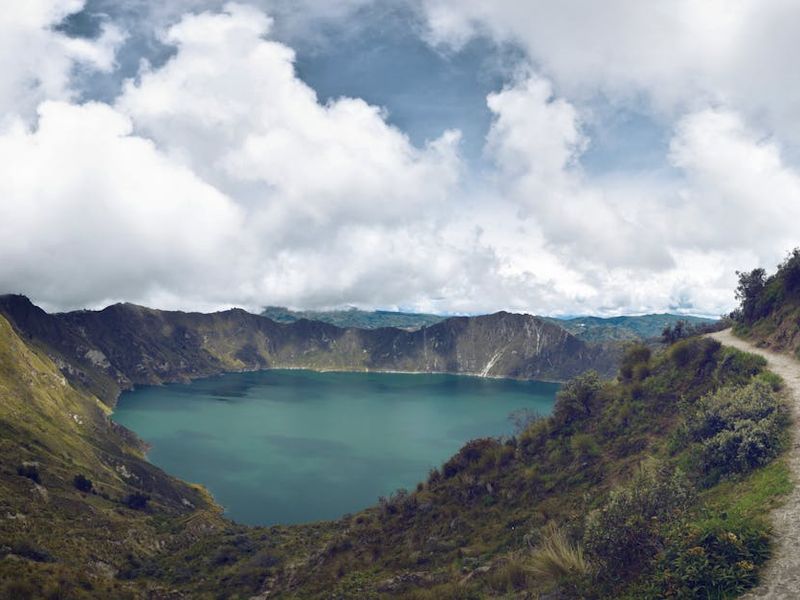
El Cajas is the region’s superstar for a reason: an otherworldly páramo landscape dotted with hundreds of glacial lakes (lagunas) and peat bogs. Trails range from short walks to multi-day treks among rolling hills, frailejón plants and mirror-like lagoons. Expect strong sun, cold winds and sudden weather shifts.
Paute Valley: Gualaceo, Chordeleg and rural routes
Distance: 45–75 minutes by car
This agricultural valley east of Cuenca is famous for handcrafts (Chordeleg jewelry, Gualaceo textiles) and quiet backroads perfect for cycling. Routes take you through small towns, farmland, river gorges and coffee plots—excellent for cultural stops combined with rolling pedaling.
Girón and nearby waterfalls
Distance: 30–45 minutes
Girón is a historical town with easy access to short hikes and waterfalls tucked into the surrounding hills. These are family-friendly walks and good options if you want a quick nature escape with a cultural detour.
Local riverwalks and city greenways
Within Cuenca itself, the Tomebamba and Yanuncay river corridors, Parque Calderón and San Sebastián neighborhoods offer urban nature walks with lovely views, birdwatching opportunities and easy access to cafés and markets.
Favorite Hikes: Routes, Times and What to Expect
Below are specific hikes that balance scenery and accessibility. Times are approximate and depend on fitness and weather.
Laguna Toreadora loop (El Cajas) — Moderate, 3–5 hours
This is one of the best first hikes in El Cajas because it showcases the park’s lakes and rolling páramo without requiring mountaineering skills. You’ll walk across peatlands, cross wooden boardwalks and circle a luminous highland lake—great for reflections and birdlife such as Andean coots and ducks.
Laguna Llaviuco (Llaviuco) — Easy to Moderate, 2–4 hours
Llaviuco is closer to Cuenca city and a popular day outing. The trail climbs gently to a large lagoon surrounded by grassy slopes and grazing herds. Hikers routinely combine this walk with lunch at a nearby refuge or return via a secondary trail for a longer loop.
High plateau ridge routes — Challenging, 6+ hours
For experienced hikers the higher ridgelines of El Cajas offer full-day treks with dramatic panoramic views. These routes gain elevation and expose you to wind and colder temperatures; come prepared with extra layers and navigation tools.
Girón waterfall trail — Easy, 1–2 hours
Short, well-shaded paths lead to inviting waterfalls near Girón. These walks are great for families and photographers who want intimate, mossy forest settings without the altitude of El Cajas.
Best Biking Routes Around Cuenca
The Azuay province offers a varied palette of cycling: paved valley roads, quiet country lanes and challenging mountain climbs.
Cuenca to Gualaceo and Chordeleg — Road ride, full day
This is a classic Ecuadorian valley ride: moderate climbs, long descents and roadside markets where you can stop for empanadas or fresh fruit. The town of Gualaceo makes a great lunch stop, while Chordeleg is famous for silver and beadwork—perfect for an artisan detour.
Paved loop into the Paute Valley — Intermediate
Follow the Rio Paute corridor on rolling asphalt with beautiful valley views. This can be shortened or extended depending on fitness and includes low-traffic secondary roads preferred by many local cyclists.
Singletrack and mountain bike trails — Variable
If you prefer singletrack, ask local shops about routes that start from Cuenca’s outskirts and climb into cloud forests or descend toward river gorges. Local guide services will rent or deliver mountain bikes and recommend trails suited to your ability.
Seasonal Considerations and Weather Tips
Weather around Cuenca is seasonal but unpredictable. Understanding the broad patterns helps you choose the right day for your outing.
- Dry season (June–November): Generally offers the most stable conditions for long hikes and mountain biking. Trails are less muddy, and skies are often clearer for photography.
- Wet season (December–May): Frequent afternoon showers and fog are common. Short hikes can still be very rewarding—just bring waterproof layers and expect slippery ground.
- Daily microclimates: High-altitude spots like El Cajas can be much colder and windier than Cuenca. Always carry an insulating layer and a waterproof shell.
Practical Gear, Safety and Altitude Advice
Preparing properly makes the difference between an enjoyable day outdoors and an uncomfortable one.
Essential gear
- Layered clothing: base layer, fleece, windproof/waterproof jacket
- Sturdy hiking boots with good tread
- Sunscreen and a wide-brimmed hat—sun is intense at altitude
- Water bottles or hydration bladder (plan for at least 1–2 liters for a half day)
- Light snacks high in protein and carbs
- Map, compass or offline GPS app (Maps.me, Gaia, AllTrails)
- For biking: helmet, spare tube/patch kit, tire levers and a pump
Altitude considerations
Cuenca sits at about 2,560 meters (8,400 ft). El Cajas and nearby ridges rise well above 3,000 meters. Signs of mild altitude sickness include headache, nausea and fatigue. Take it easy on your first day, stay hydrated, avoid heavy alcohol, and consider spending an extra day in Cuenca to acclimatize before ambitious high-altitude hikes.
Safety tips
- Tell someone your route and expected return time when heading into remote areas.
- Avoid hiking alone in unfamiliar highland routes—guides increase safety and cultural interpretation.
- Carry small-denomination cash for local transport, food or emergency rides back to town.
- Respect the weather: if clouds roll in and visibility drops, head back or seek shelter.
Getting There: Transport Options From Cuenca
How you get to trailheads depends on comfort and schedule.
Public buses and colectivos
Buses and shared taxis (colectivos) connect Cuenca with Gualaceo, Chordeleg, Girón and the Cajas park entry points. They’re inexpensive and frequent for popular routes, but may not drop you at specific trailheads—expect a short taxi or walk from the drop-off.
Guided tours and private transport
Many visitors prefer booking a guided day trip from Cuenca. Tour operators handle park entrance logistics, guided hikes and transportation. For mountain biking, several companies rent bikes and deliver them to your hotel.
Self-driving
Renting a car gives maximum flexibility. Roads are generally well-paved around the main valleys but can be rough closer to trailheads and park gates. In wet season, some secondary roads become slick—4WD is useful but not always necessary.
Sample Day Trips and Itineraries
Here are a few plug-and-play plans based on interest and fitness level.
Easy nature day (family-friendly)
- Morning: Walk the Tomebamba river path and cross the historic bridges in Cuenca.
- Midday: Drive 30 minutes to Girón for a waterfall walk and picnic.
- Afternoon: Return to Cuenca; stop in town for ice cream and artisan shopping.
Active hikers’ day (El Cajas)
- Early departure from Cuenca to El Cajas visitor area.
- Full morning hike around Laguna Toreadora or Llaviuco loop.
- Late lunch in Cuenca and optional soak in a local café—perfect post-hike!
Full-day bike and culture ride (Gualaceo/Chordeleg)
- Start early and bike the valley roads to Gualaceo, stopping at viewpoints and farm stands.
- Lunch in Gualaceo, then cycle or shuttle to Chordeleg for artisans and souvenirs.
- Optional: Return by public bus if you prefer not to ride back.
Wildlife, Photography and Conservation Notes
Wildlife viewing in the high Andes can be subtle but rewarding. Look for waterfowl on lagoons, small raptors, and the distinctive frailejón plants that dot páramo slopes. Andean condors are rare but possible in wide-canopy areas and valley cliffs.
Photographers will love early morning and late afternoon light, especially when lagoons reflect the sky. Bring a polarizing filter to reduce glare on water and a telephoto lens for distant birds. Always keep enough distance from wildlife to avoid disturbing them.
Conservation matters: these fragile ecosystems are vulnerable to erosion and litter. Stick to marked trails, take your trash back to town, avoid collecting plants or rocks, and favor local guides and businesses that practice sustainable tourism.
Final Tips and Local Resources
Make the most of your outdoor visits with a few local-smart moves:
- Ask at your hotel or a local tourist office for current trail conditions and transport tips.
- Hire local guides when venturing into remote highland areas—guides not only increase safety but also enrich the experience with natural history and cultural context.
- Bring a small first-aid kit and basic repair tools for bikes.
- Respect local customs in villages—greet shopkeepers and ask before photographing people.
Cuenca’s immediate surroundings are a playground for outdoors lovers. From glassy highland lakes and windswept páramo to calm valley roads and shaded waterfall trails, there’s a route for every level of adventurer. Plan thoughtfully, pack the right gear, and you’ll find some of Ecuador’s most memorable landscapes just a short trip from Cuenca’s historic center.