
Table of Contents
Why Cajas National Park Makes an Ideal Day Trip from Cuenca
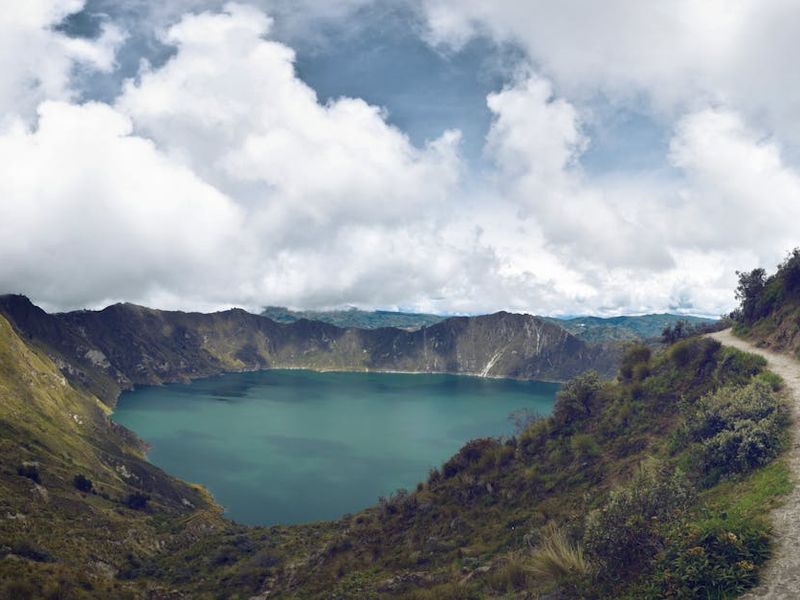
Cajas National Park sits like a high-altitude jewel just beyond Cuenca’s urban edges, offering a dramatic contrast to the colonial streets and river valleys of the city. In a single day you can swap the mild, historic center around Parque Calderón and the Catedral Nueva for windswept páramo, mirror-like lagoons, and hummingbirds darting among mossy Polylepis trees. For many expats and visitors based in Cuenca, Cajas is the easiest place to experience Ecuador’s Andean ecosystems without committing to multi-day trekking.
Quick facts to keep in mind
- Cajas lies to the west of Cuenca and is accessible within roughly 45–90 minutes depending on your route and vehicle.
- Elevation in Cajas ranges from about 3,100 to over 4,400 meters, so weather is cool and conditions change rapidly.
- The park protects páramo habitats and more than 200 lakes and lagoons that feed Cuenca’s water supply.
- Services inside the park are limited: bring water, snacks, cash, warm layers, and a good sense of self-reliance.
Which entrance and trails are best for a day trip?
There isn’t a single “main” entrance for all visitors—several access points give you different experiences. For a classic day trip focused on scenery and short hikes, aim for the lagoons area: many visitors start at a parking area near one of the larger lagoons and take loop trails that range from easy 40-minute circuits to longer 3–5 hour treks.
Choose your plan based on fitness and time:
- Short, gentle loops around the main lagoons: ideal for families or casual walkers who want views without strenuous climbing.
- Moderate hikes to lookouts and remote lakes: 3–5 hours, suitable for people comfortable at high altitude and with uneven trails.
- Full-day backcountry routes: for serious hikers who want to explore multiple valleys and lakes—these require more preparation and the possibility of changing weather.
Sample 1-day itineraries
Photographer’s Sunrise
Leave Cuenca early (around 5:30–6:00 a.m.) to catch first light over the low clouds and lagoons. Aim for a lakeshore viewpoint for reflections and long shadows. Spend the morning moving between vantage points and return to Cuenca mid-afternoon to edit and warm up.
Birdwatcher’s Morning
Start around 7:00 a.m. when birds are most active. Focus on riparian margins and Polylepis patches—bring binoculars and a field guide. After a morning of sightings, have lunch in a nearby roadside cafe or a packed picnic and finish with a short sunset walk.
Casual Hike and Culture
Combine a moderate loop that includes two lagoons and a lookout with a late-afternoon stop back in Cuenca at Mirador Turi or El Centro to round out the day with culture and coffee.
Getting there from Cuenca: options and tips
Several transport options make Cajas accessible whether you have a car or prefer to go on public transport.
Drive yourself
Renting a car or using a private driver is the most flexible choice. Roads to the park are generally paved to the park boundary but can be narrow and windy. Allow at least 90 minutes for the drive if you plan to stop for photos or fuel. Fill up in Cuenca—gas stations are limited once you head up into the highlands.
Shared vans and tours
Many small tour operators in Cuenca offer half-day and full-day trips that include transport, a guide, and sometimes snacks. These are convenient if you’d rather not navigate mountain roads yourself. Compare departure points—some companies pick up from your lodging while others leave from the bus terminal or local travel agencies.
Public bus or colectivo
For budget travelers, look for minibuses or colectivos heading toward towns near the park from Cuenca’s Terminal Terrestre or main transfer spots. Schedules can be irregular; ask at your hospedaje for the latest advice. You may need to arrange a taxi from the drop-off point to the park entrance.
Packing list: what to bring for a comfortable, safe day
High-altitude excursions demand planning. Even a short walk can feel strenuous when the oxygen is thin and the wind picks up.
- Layered clothing: a moisture-wicking base, insulating mid-layer, and a windproof/waterproof shell.
- Sturdy hiking shoes with good traction—boggy sections can surprise you.
- Sun protection: high-elevation sun is intense—sunglasses, SPF 30+ sunscreen, and a hat.
- Water (1–2 liters per person) and high-energy snacks or a packed lunch; there are few food options inside the park.
- Cash (small bills) for parking, entrance fees, or paying local vendors; card service may be unreliable.
- Binoculars and a camera with a polarizing filter for glare reduction and richer skies.
- Basic first-aid items, blister care, and any personal medications—altitude can upset digestion or breathing.
- Light trekking poles are particularly useful for balance on wet slopes.
Altitude and health: smart precautions
Cajas sits considerably higher than Cuenca’s central valleys, so you’ll feel the thin air. Symptoms of mild altitude stress include shortness of breath, headache, dizziness, and nausea. If you’ve recently arrived from sea level, take it easy the first day, hydrate well, avoid alcohol, and eat light meals.
If you experience severe headaches, persistent vomiting, confusion, or difficulty walking, descend immediately and seek medical help. For most visitors already acclimated to Cuenca’s ~2,500 m elevation, a day in Cajas is manageable if paced thoughtfully.
Wildlife, plants, and conservation
Cajas is an ecological mosaic: open páramo grasslands, peat bogs, and small woodlands. The park is vital for water capture, feeding springs and rivers that supply Cuenca. Visitors often encounter waterfowl, tiny Andean hummingbirds, and raptors riding thermals. Keep your distance from wildlife and resist the urge to feed or approach animals.
Many visitors notice frailejones (rosette plants typical of páramo), moss-covered trees, and vibrant lichens. Photographers and nature lovers will appreciate the layers of texture and light that change with the weather.
Photography and best times to go
Weather in the high Andes can shift from brilliant sun to drizzle within minutes. Early morning and late afternoon often provide the most dramatic light and calmer winds—ideal for reflections and long exposures. Carry a small tripod and a polarizing filter to enhance skies and cut glare from lagoon surfaces.
Cloud cover can create moody, atmospheric images; don’t be disappointed if you don’t get a clear blue sky—the mist and low clouds create unique shots you won’t find in warmer climates.
Food, amenities, and safety
There are limited cafes and vendors near some park entrances that sell local food such as soups or hot drinks, but don’t rely on that. Pack lunch and snacks, and carry a reusable water bottle to reduce plastic waste. Bathrooms may be primitive or absent at some trailheads.
Cellular coverage is patchy in the park—download maps offline and tell someone your plan and estimated return time. Stick to marked trails; bogs and peatlands can be deeper and trickier than they look. Respect closed or fragile areas marked for conservation.
Local cultural context and respectful visiting
Communities around Cajas have long histories of farming, grazing, and traditional land stewardship. If you stop in nearby towns for coffee or market shopping, engage respectfully: ask before photographing people, buy local produce if possible, and learn a few Spanish phrases—locals appreciate the effort.
Consider supporting local guides or small cooperatives that offer tours—this keeps tourism benefits within the community and gives you richer context about the landscape.
When to visit: seasons and weather patterns
Ecuador’s equatorial location means seasonality is less extreme than high-latitude destinations, but the Andean microclimates are still influential. Dry months typically provide clearer skies and more stable hiking conditions, while the wetter months bring lush, saturated colors and fewer crowds. Rain can come at any time—be prepared year-round.
Weekends draw more locals and families; if you seek solitude, choose a weekday or an early departure.
Combining Cajas with other Cuenca highlights
A day trip to Cajas pairs naturally with an exploration of Cuenca’s cultural highlights. Return mid-afternoon to wander the historical center, enjoy a late lunch near Parque Calderón, or visit the Museo Pumapungo to learn about regional archaeology and ecology. Alternatively, stop at a lookout such as Turi for panoramic city views after your return from the highlands.
Sustainable travel tips
- Stay on marked trails to protect fragile peatlands and native plants.
- Pack out everything you bring in—there are limited waste facilities.
- Choose licensed local guides and responsible tour operators whenever possible.
- Conserve water and avoid single-use plastics to help protect downstream supplies for Cuenca’s residents.
Final checklist before you go
- Plan departure and return times; inform someone of your route.
- Check weather forecasts and dress in layers.
- Charge batteries and download maps or trail notes offline.
- Carry cash for small fees and unexpected purchases.
- Bring patience—high-altitude hiking is rewarding but often slower-paced.
Why you’ll remember Cajas
A day in Cajas offers more than a checklist of lakes and lookouts; it’s a tangible feel of Ecuador’s highlands—where cloud, water, and grasslands meet. The park’s quiet lagoons mirror the sky, the wind shapes the grasses into ripples, and the thin air gives every summit a crystalline clarity. For Cuenca residents and visitors, a trip to Cajas is a refreshing reminder of the Andes’ raw beauty and of why conservation matters for both nature and the city below.
Whether you go to photograph, birdwatch, or simply breathe cooler air and stretch your legs in a different landscape, a well-planned day trip from Cuenca to Cajas can be one of the most rewarding experiences in southern Ecuador. Pack smart, move slowly, and let the high Andes do the rest.