
Table of Contents
Why Cuenca is a Photographer’s Playground
Cuenca, perched at about 2,560 meters in Ecuador’s southern Sierra, blends colonial architecture, riverfront charm, Andean landscapes and lively markets into an unusually photogenic small city. Whether you are a street photographer, landscape shooter or an architectural specialist, Cuenca offers compact, walkable neighborhoods where the next great frame is often just around the corner.
In this guide you’ll find specific vantage points, times of day to shoot, gear and shooting tips tailored to Cuenca’s light and weather, plus suggestions for nearby day trips that reward patient shutterbugs.
Historic Center: Domes, Streets and Rooftops
The historic center is the obvious starting point. The Plaza Mayor (Parque Abdón Calderón) is framed by the twin domes of the New Cathedral, whose blue-tiled roofs glow at sunrise and sunset. Walk the surrounding blocks to capture facades, balconies draped with plants and the rhythm of daily life.
Photographic highlights in the center:
- Wide-angle views of the Cathedral’s blue domes from the plaza and surrounding corners.
- Close-ups of carved wooden doors, ironwork and colorful shop signs on Calle Larga and nearby lanes.
- Rooftop panoramas of terracotta tiles and church spires—ideal during golden hour.
Practical tip
For rooftop shots, politely ask at small hotels or cafés for permission to access upper terraces. Many places will allow a quick climb in exchange for a coffee purchase.
Riverside Walks: Tomebamba, Bridges and Reflections
The Tomebamba River slices through Cuenca, offering constant photographic opportunities. Its stone bridges, riverside promenades and shaded walkways create compositions heavy on leading lines and reflections. El Barranco, the steep riverside neighborhood below the historic center, is especially photogenic with its painted house fronts and stairways.
Shoot low from river level for strong reflections of bridges and domes, or climb to a bridge for sweeping diagonal lines down the water. At night the bridges and adjacent buildings are lit, providing attractive long-exposure scenes.
Shot ideas
- Long-exposure silky-water images at dawn with ND filter and tripod.
- Street portraits along the riverside paths with natural window light and textured walls as backdrops.
- Detail shots of moss-covered stone and riverside flora for a quieter, intimate series.
Miradores and Panoramas: Turi and Beyond
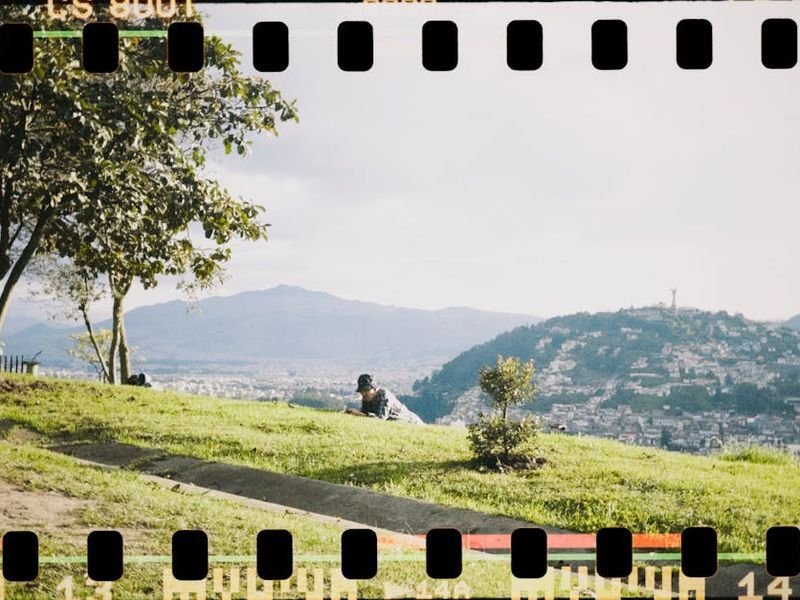
For the big-picture views, head to Mirador de Turi. From this overlook you can frame Cuenca’s valley of red roofs, churches and surrounding Andean ridges. Sunset here is popular, so arrive early to claim a spot and compose without distraction.
Other high vantage points are scattered around the city’s outer neighborhoods and small hills—look for local parks and hotel terraces that allow broad vistas.
Timing and composition tips
Shoot panoramic sequences to stitch in post if you want very wide cityscapes. Use the late afternoon for warm side-light and pick a telephoto lens to compress layers and pick out details like church towers against mountain backdrops.
Pumapungo, Museums and Ancient Stones
The Pumapungo archaeological site and museum sit within the city and offer an intriguing blend of Inca ruins, ethnographic exhibits and gardens. Ruined platforms, defensive walls and water channels provide textured landscapes different from the colonial center.
Inside the museum, indoor light and artifacts offer opportunities for still-life and detail photography—filigreed jewelry, textiles and pottery—so bring a fast prime lens for low-light work.
Markets, Street Life and Colorful Characters
Markets are among Cuenca’s strongest photographic draws. The Mercado 9 de Octubre and smaller neighborhood markets are full of fruit, flowers and human stories. Capture vendors arranging produce, the bright layers of fresh garments and candid portraits of local shoppers.
When photographing people, always ask permission, especially for close portraits. A wide smile and a few words in Spanish—’¿Puedo tomar una foto?’—go a long way. Carry small prints of your photos to give as gifts if you plan on doing extended portrait work.
Street photography ethics
Be sensitive to indigenous women and older residents who may expect compensation or prefer not to be photographed. Offer a printed photo on the spot or a small coin if consent has been given; this fosters respect and better images.
Day Trips That Deliver: El Cajas, Chordeleg and Gualaceo
If you want wild landscapes or artisan portraits, step outside Cuenca. El Cajas National Park, roughly 30–40 minutes by car, offers high Andean lakes, moorlands and dramatic cloudscapes. Capture reflections in the lagunas, low-lying fog in the mornings and windswept grasses at dusk.
For cultural photography, visit Chordeleg and Gualaceo. Chordeleg is legendary for filigree jewelry and small streets lined with workshops; Gualaceo has colorful markets and textile traditions. Focus on workshop detail shots, hands at work and arranging product displays for commercial-style images.
Equipment, Settings and Practical Gear List
Your kit for shooting in and around Cuenca should be versatile. Bring a wide-angle (16–35mm or equivalent) for architecture, a mid-range prime (35mm or 50mm) for street work, and a telephoto (70–200mm or equivalent) for distant details and compressed cityscapes. A sturdy tripod is essential for dawn/dusk long exposures and interior shots.
- Spare batteries and memory cards: cold mornings and long days drain power faster at altitude.
- Polarizer: taming river glare and enhancing skies.
- ND filter: smooth water in rivers and long-exposure night scenes.
- Small folding reflector: helpful for portraits in shaded plazas.
- Rain cover and weather-resistant bag: mountain weather can change quickly.
Camera settings to try
For cityscapes at golden hour: ISO 100, aperture f/8–11, adjust shutter for exposure. For street portraits: aperture f/2–4 to blur backgrounds and isolate subjects. For night scenes: try shutter speeds 10–30 seconds with low ISO and aperture f/8 for starbursts on lights.
Drone Use and Legal/Cultural Considerations
Drones can capture incredible overhead views of Cuenca and El Cajas, but regulations and courtesy rules apply. Ecuador has aviation regulations governing unmanned aircraft; restrictions commonly include no-fly zones near airports, over crowds, or over critical infrastructure. Check the national civil aviation authority’s current rules before flying.
Even when legal, avoid flying over religious festivals, tightly packed plazas or historic structures without explicit permission. Local residents often appreciate when you ask first; respect and transparency prevent conflicts and potential confiscation.
Best Times of Day and Weather to Shoot
The classic advice applies: sunrise and sunset are golden. In Cuenca, mornings often bring crisp air and clearer skies after overnight cooling, making dawn excellent for reflections along the Tomebamba and the blue-domed cathedral bathed in soft light.
Afternoons can be cloudier; clouds can actually add drama to mountain landscapes. Rain typically comes in short bursts, so stay flexible—sometimes a post-shower street scene with wet pavements creates richer color saturation and reflections.
Sample Two-Day Photo Itinerary
Day 1 — Historic and Riverside: Sunrise at Parque Calderón for cathedral domes, morning walking tour through Calle Larga and the markets, mid-day lunch and portraits near Mercado 9 de Octubre, evening at El Barranco and long-exposure shots of the river bridges after dusk.
Day 2 — Views and Outskirts: Early drive to Mirador de Turi for panoramic sunrise, late morning at Pumapungo and the museum gardens, afternoon trip to Chordeleg or Gualaceo to photograph artisans, and return for sunset at a rooftop terrace.
Editing, Printing and Sharing Your Work
Cuenca has small print shops and galleries where you can get high-quality prints made; look for local labs in the centro near Calle Larga or the university neighborhoods. If you plan to exhibit or sell, check for local framing shops and gallery contacts ahead of time—Cuenca’s arts community is active and welcoming to photographers.
When sharing images online, tag local businesses and neighborhoods; it helps your photos get noticed and may lead to introductions to local artisans and gallery owners.
Safety, Etiquette and Cultural Tips
Cuenca is among Ecuador’s safer cities, but normal precautions apply: keep camera gear secure, avoid flashing expensive equipment in less crowded neighborhoods, and use a small daypack with a sternum strap. Always ask permission before photographing someone closely, and respect requests to delete images if someone is uncomfortable.
Note the high altitude: stay hydrated, carry sunscreen and give yourself time to acclimate if you fly in from sea level. The sun is stronger at 2,560 meters and mornings can feel crisp, so layers are your friend.
Final Thoughts: Slow Down and Look Closely
Cuenca rewards patience. Wander slowly, return to favorite corners at different times of day, and don’t be afraid to talk with locals—most are proud of their city and enjoy sharing its stories. Whether you’re after dramatic Andean panoramas, intimate portraits of artisans or the warm glow on colonial domes, Cuenca offers a compact, generous canvas for photographers willing to explore on foot and engage respectfully with the people and places they photograph.
Pack well, plan for changing light, and leave space in your itinerary for unexpected moments. Often the best images come from a stray alley, a spontaneous market scene or the soft light that arrives ten minutes after sunset. Happy shooting.