
Table of Contents
Why Cuenca is a Great Place to Go Green
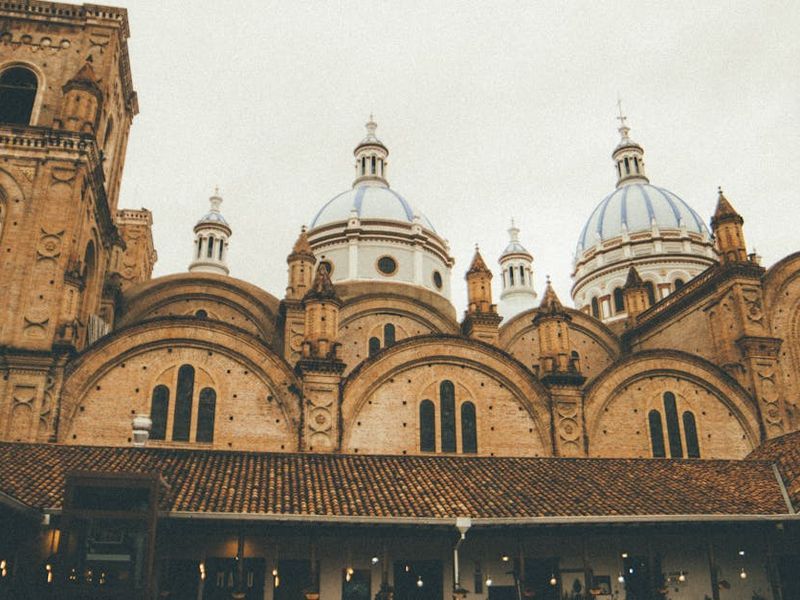
Cuenca’s colonial center, mild climate, and strong local food culture make it one of the most welcoming places in Ecuador for expats curious about sustainable living. Sitting at roughly 2,560 meters (about 8,400 feet) above sea level, the city enjoys plenty of sunshine and cool evenings — conditions that encourage walking, cycling, and outdoor living rather than heavy heating and cooling. As you settle in, adopting a few simple eco-friendly habits will not only reduce your environmental footprint but also help you integrate with local life and save money.
Start With Smart Transport Choices
One of the easiest ways to cut emissions in Cuenca is to change how you move around. The historic centro is compact and highly walkable; many expats find they can run errands on foot. Side streets and plazas invite strolling and window-shopping, which reduces reliance on cars.
Walk and Bike Whenever Possible
For short trips, choose walking. You’ll discover neighborhood bakeries, mercados and tiendas that you wouldn’t from a car. For medium distances, a bicycle is excellent: Cuenca has bike lanes in many neighborhoods and a growing cycling community. Choose a hybrid or city bike with comfortable gears for climbing Cuenca’s hills.
Use Public Transit and Shared Rides
Public buses and colectivo routes run across the city and are inexpensive. For trips that need a taxi, consider sharing rides with neighbors or using smaller local taxi cooperatives rather than private car hires. Reducing single-occupancy trips is a fast way to lower your footprint.
Cut Waste: Practical Tips for Recycling and Composting
Waste management in Cuenca has improved in recent years with municipal recycling points and local collection initiatives. As an expat, you can make the system work for you with a few intentional habits.
Set Up Easy Sorting at Home
Start with a simple waste audit: note what you toss in a week. Then create three bins — organics, recyclables (plastic, glass, metal), and trash. Label them in Spanish to help household staff or guests: Orgánico, Reciclable, Basura. Keep the compost bin in a shaded, ventilated area to avoid odors.
Find Drop-Off Points and Local Recyclers
Cuenca has several ‘puntos de acopio’ where you can drop sorted recyclables, and informal recicladores (recyclers) who collect bottles and cardboard. Ask neighbors or your landlord where the nearest collection point is, or check community bulletin boards and Facebook groups for neighborhood collection schedules. Separating and delivering recyclables supports the local circular economy and helps recicladores earn more for their work.
Compost — Even in Apartments
If you have a patio or small garden, set up a compost pile or vermicompost bin. If you live in an apartment, try a bokashi system or small indoor composting unit that reduces odors. Use finished compost to feed potted plants or donate to a community garden.
Shop Local, Eat Seasonal, and Support Farmers
Cuenca’s food scene is rich with mercados, neighborhood produce stalls, and small farms in surrounding valleys. Eating local reduces food miles and connects you with Ecuadorian growing seasons.
Discover Local Markets and Ferias
Instead of large supermarkets for every purchase, visit neighborhood mercados and weekly farmers’ markets (ferias). You’ll find seasonal vegetables, fruits, cheeses, eggs, and fresh herbs at much better prices — and with far less packaging. Ask vendors about how produce was grown; many smallholders use traditional, low-chemical practices.
Choose Seasonal and Whole Foods
At high altitude, certain crops thrive at particular times of year, so adapt your meal planning to the season. Whole foods like legumes, rice, tubers and local vegetables are cheaper, healthier and more sustainable than imported processed foods.
Support Organic and Agroecological Initiatives
Look for small organic farms and cooperatives around Cuenca. Many sell direct to consumers or participate in local organic fairs. Buying from these producers supports sustainable farming and often yields fresher, tastier food.
Reduce Single-Use Plastics
Although plastic bags and packaged items remain common, you can take straightforward steps to avoid single-use plastics and influence local practices.
Bring Reusable Bags and Containers
Carry at least two reusable bags when you shop — one for produce and one for heavier goods. Keep a lightweight tote or foldable bag in your purse or backpack so sellers in mercados don’t default to plastic. For meat, cheese and bulk items, use a reusable container or stainless-steel box.
Refill Water the Local Way
Many expats in Cuenca use large refillable water jugs (garrafones) delivered to the home. Refillable water stations are also common, reducing single-use bottles. If you prefer tap water, ask neighbors about local quality; some expats use home filters to feel more comfortable.
Energy Use: Small Changes, Big Impact
Because Cuenca has mild temperatures, you can make your home energy-efficient with small habits and thoughtful upgrades.
Layer Clothing and Use Sun Power
Instead of cranking heat, wear layers in the evening and indoors. During the day, open curtains to let sunlight warm living spaces and close them at night for insulation. At Cuenca’s elevation, solar radiation is strong — use it. If you own your home, consider solar thermal for hot water or photovoltaic panels for electricity; the high-altitude sun makes panels especially productive.
Choose Efficient Appliances and Lighting
Replace incandescent bulbs with LEDs and choose energy-efficient appliances when possible. Simple habits like unplugging chargers, using power strips and washing clothes on cold cycles reduce overall electricity use.
Green Housing: Tips for Renters and Homeowners
Whether you rent an apartment in El Centro or a house in a quieter barrio, you can make green choices without major renovations.
Ask Smart Questions When Renting
When viewing properties, check for hot water systems (gas is common), insulation, and kitchen ventilation. Ask the landlord about waste pickup days and recycling options. Negotiate small eco-friendly upgrades like LED lighting or low-flow showerheads — landlords often accept low-cost improvements that lower long-term upkeep.
Use Plants to Improve Air and Comfort
Indoor plants improve air quality and make rooms feel warmer. In outdoor patios or balconies, native shrubs and herbs attract pollinators and create pleasant microclimates. Look for plants that suit Cuenca’s cool, moist climate and high UV levels.
Get Involved: Community, Education, and Volunteering
One of the most rewarding parts of living green in Cuenca is connecting with the many groups working on environmental issues.
Volunteer With Local Environmental Groups
Universities, NGOs and neighborhood associations run reforestation, river cleanups, and educational programs throughout the year. Volunteering helps you meet locals and other expats while making a tangible difference. Check bulletin boards at university campuses like the Universidad de Cuenca, local libraries, and community centers for opportunities.
Join or Start a Neighborhood Initiative
Small wins add up: organize a composting circle with neighbors, start a tool-sharing group, or coordinate a monthly street litter pickup. These actions build community resilience and encourage sustainable habits in your barrio.
Sustainable Shopping and Secondhand Culture
Thrift shopping, repairing, and buying durable goods lower waste and save money — and Cuenca has a lively market of secondhand and artisan goods.
Repair Before You Replace
Many local businesses offer clothing repair, shoe mending and appliance servicing at reasonable prices. Supporting repair shops preserves traditional skills and keeps items out of the landfill.
Choose Quality, Local Crafts, and Secondhand Finds
Buy from local artisans and secondhand markets when you can. Traditional markets and small workshops offer unique, durable items that are more sustainable than fast imports. Look for handwoven textiles, wooden kitchen tools, and locally made ceramics.
Practical Habits to Start Today
- Bring a reusable cup for coffee and a cutlery set for street food.
- Carry a small shopping list and reusable bags to avoid impulse packaged items.
- Ask vendors to skip plastic bags or straws — many will accommodate if you explain.
- Set up simple bins at home: organics, recyclables, trash.
- Buy seasonal produce at mercados; freeze or can excess for later.
- Use local refill water services and avoid single-use bottles.
- Try a monthly ‘no new purchases’ challenge to curb consumption.
Challenges to Expect (and How to Handle Them)
No city is perfectly green, and Cuenca has challenges like plastic use in retail and limited formal recycling in some neighborhoods. Expect mixed infrastructure and be prepared to adapt. If municipal recycling services aren’t consistent where you live, find local buyers for recyclables, or coordinate a neighborhood drop-off point. Small community-driven solutions often bridge gaps in municipal services.
Final Thought: Local Habits, Global Impact
Living green in Cuenca is less about grand gestures and more about a steady series of small, place-specific choices: shopping at the mercado, biking to the plaza, composting your kitchen scraps, supporting a local farmer, and sharing tools with neighbors. These everyday actions reduce waste, save money, and help you feel at home in a city whose traditions already lean toward community and local food systems. As an expat, your habits and choices can reinforce the local culture of conservation while helping build a more resilient Cuenca for everyone.
Ready to start? Pick one thing from this guide — bring a reusable bag, visit your nearest feria, or start a small compost — and see how quickly it becomes part of your routine. Cuenca’s pace and people make it one of the best places in Ecuador to live sustainably.