
Table of Contents
Why Cuenca is a Great Place to Live Green
Cuenca’s mild highland climate, walkable historic center, and strong local food culture make it one of Ecuador’s most promising cities for living sustainably. At about 2,560 meters above sea level, the city’s temperate weather reduces the need for heating and air conditioning, while leafy riverside promenades and nearby páramo and cloud forests invite outdoor living. For expats, that combination means real opportunities to shrink your environmental footprint without sacrificing comfort.
Start Small: Everyday Habits that Add Up
Switching a few habits can make a surprisingly large difference. Begin with the basics you can adopt immediately:
- Carry a reusable water bottle and a travel mug—Cuenca has refill stations, bottled filtered water businesses, and many cafés that will refill your bottle.
- Bring reusable bags and produce bags to mercados and tiendas. Even if local shops still offer plastic bags, consistent use of cloth bags reduces waste and signals demand for change.
- Swap single-use items for reusable alternatives: cutlery, straws, and food wraps (beeswax or silicone) are easy to keep in a backpack or purse.
- Choose LED lighting and unplug chargers when not in use—energy savings are simple and immediate.
Shop Local: Markets, Seasonal Produce, and Reducing Food Miles
One of Cuenca’s greatest sustainability advantages is its rich market scene. Neighborhood mercados and farmers’ stalls sell seasonal vegetables, fruits, cheeses, and grains from the surrounding valley and highlands. Buying from these vendors not only supports local producers but also cuts down on transport emissions. Tips for shopping smart:
- Visit mercados early for the freshest produce and to avoid packaged goods. Neighborhoods such as the historic center and barrios around the Tomebamba river have regular markets.
- Ask vendors what’s in season—seasonal eating naturally reduces reliance on imported, greenhouse-gas intensive foods.
- Buy in bulk when possible and store staples (beans, rice, grains) in airtight containers to reduce packaging waste.
Waste Management: Recycling, Composting, and Reducing Trash
Municipal recycling infrastructure varies across Latin America, and Cuenca is no exception. While formal curbside recycling may not be universal in every neighborhood, there are several practical paths for expats to manage waste more sustainably:
- Separate organics, recyclables, and residual trash at home. Even if only a portion gets picked up, separation simplifies composting and makes recycling easier when you find a collection point.
- Composting is one of the highest-impact steps you can take. If you have a yard, a simple compost pile works well. Apartment dwellers can use bokashi bins or worm composters (lombricomposta) to process food scraps without odors.
- Connect with local recicladores (informal waste collectors) or neighborhood recycling centers. They often take cardboard, plastic bottles, and metal, and many neighborhoods organize periodic collection drives.
Transport: Move Around Without a Car
Cuenca’s compact historic center, tram system (Tranvía), and network of buses and taxis make it easy to minimize car use. Transportation choices that lower your footprint and save money include:
- Walk whenever possible—most of the centro histórico is pedestrian-friendly, with plazas and short blocks.
- Use the Tranvía for longer east-west trips and learn a few bus routes for flexible, low-cost travel. The tram is electric and a cleaner alternative to private cars.
- Choose cycling for daily errands. The city has pleasant riverside promenades (malecones) and flatter routes along the Tomebamba; however, watch for steeper hills in outer neighborhoods and remember that the high altitude can make routes more strenuous.
- For occasional car use, consider car-sharing services or renting by the day. When you do drive, practice smooth driving habits and avoid idling to reduce fuel use.
Energy and Water: Simple Upgrades for Homes
Energy and water efficiency are particularly effective at high elevations where the sun is intense and temperatures are cool. Practical steps to improve efficiency in a Cuenca home include:
- Install low-flow fixtures and aerators for taps and showers—these cut water use without sacrificing performance.
- Consider a solar water heater. Solar thermal systems are often cost-effective in Ecuador’s bright Andean climate, and many households use them for hot water.
- Improve thermal comfort with curtains, rugs, and insulation at windows and doors. Even modest draught-proofing cuts heating needs on chilly evenings.
- Talk to local installers about photovoltaic (PV) options if you own a home. Incentives and regulations vary, so check municipal rules and consult professionals before investing.
Gardening and Green Spaces: From Windowsills to Community Plots
Even in an apartment, it’s possible to cultivate a small garden. Micro-gardens, balcony planters, and herb pots give you fresh flavors and reduce the carbon footprint of store-bought herbs. For those with more space, community gardens and neighborhood plots can be a rewarding way to grow food and deepen local ties.
- Plant native or well-adapted species to reduce watering needs and support local biodiversity.
- Use compost from kitchen waste to feed plants—this closes the nutrient loop and reduces trash output.
- Volunteer at community gardens or join urban agriculture initiatives; they’re an excellent way to meet Ecuadorian neighbors and learn local growing techniques.
Shopping, Repair, and Circular Living
Moving away from a throwaway mindset is a cornerstone of living green. Cuenca offers many ways to participate in circular living:
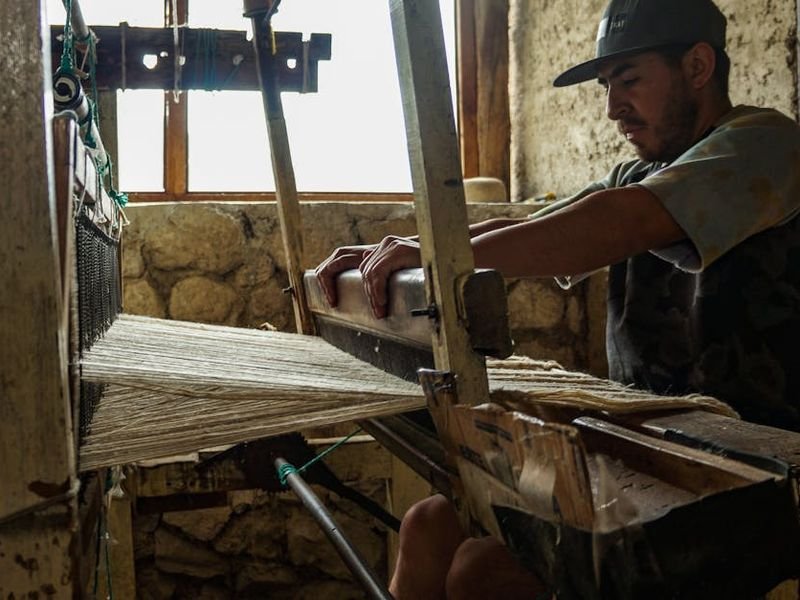
- Support local artisans and markets—buying durable, well-made items reduces turnover and supports the local economy.
- Use secondhand shops and swap groups for furniture and household goods. You’ll save money and keep usable items out of landfills.
- Learn basic repairs (sewing, appliance troubleshooting) or find local repair shops that can fix shoes, electronics, and clothing.
Engaging with Community and Local Initiatives
One of the fastest paths to sustainable living is community involvement. Expats who connect with local environmental groups, university projects, and municipal programs gain knowledge and contribute to larger change. Practical ways to get involved:
- Attend municipal meetings and community events focused on parks, cycling, or waste management to stay informed and help shape local policies.
- Volunteer for tree plantings, river clean-ups, or education campaigns—projects often need bilingual volunteers who can bridge communities.
- Partner with the University of Cuenca or local schools for workshops on composting, water conservation, or urban gardening.
Practical Tips for Sustainable Living as an Expat
Adapting to local conditions and customs is central to successful, low-impact living. Keep these expat-specific tips in mind:
- Learn Spanish—being able to communicate clearly at markets, repair shops, and municipal offices makes every sustainable choice easier.
- Ask neighbors and landlords about building systems (water, heating, garbage pickup) before signing leases—some barrios may have better recycling access or community compost programs.
- Respect local customs around waste and reuse. In some neighborhoods, informal recyclers perform important services—treat them with respect and consider tipping for service.
- Keep an emergency kit and water filtration options. While Cuenca’s water system is generally good, some expats prefer filtered water for household use.
How to Start: A 30-Day Green Action Plan
Want to make measurable change? Try this simple 30-day plan to embed greener habits:
- Days 1–7: Eliminate single-use plastics—carry bags, a bottle, and a mug. Begin a small waste separation system at home.
- Days 8–14: Visit a local market and buy only seasonal produce for one week. Start a compost solution (bokashi, worm bin, or small pile).
- Days 15–21: Explore transport alternatives—use the Tranvía, ride a bike for short errands, and try walking a new route.
- Days 22–30: Audit energy and water use—install LEDs, seal drafts, and fit faucet aerators. Reach out to a local community garden or sustainability group and sign up to volunteer.
Challenges and Realities
Sustainable living in Cuenca, like anywhere, involves trade-offs. Limited municipal infrastructure, intermittent recycling services, and the availability of eco-friendly products can present obstacles. However, community networks, strong local food systems, and an engaged civil society make up for many gaps. Persistence, flexibility, and local partnerships are the keys to overcoming barriers.
Final Thoughts: Small Choices, Lasting Impact
For expats, Cuenca offers a rare combination of tangible habits and systemic opportunities that make sustainable living practical and satisfying. From shopping at mercados and composting kitchen waste to using the Tranvía and supporting local craftspeople, each small choice helps build a greener, healthier city. Start where you are, be curious about local practices, and let your lifestyle evolve as you learn—sustainability in Cuenca is as much about relationships as it is about resources.
Ready to begin? Pick one habit from this article, try it for a month, and notice how it changes your daily life. You’ll likely find that living green here is not only doable, it’s deeply rewarding—both for you and for the community you’re joining.