
Table of Contents
Why Cuenca Is a Smart Choice for Expats
Cuenca, Ecuador’s UNESCO-listed jewel, draws expats with its manageable size, pleasant climate, rich culture, and strong healthcare. Nestled at about 2,560 meters (8,400 ft) above sea level, the city stays temperate year-round — cool mornings, sunny afternoons and crisp nights — making outdoor life enjoyable without extremes. For newcomers deciding where to live, Cuenca’s neighborhoods vary widely in character: colonial streets and plazas, modern apartment towers, quiet gated communities and leafy residential hillsides. This guide helps you match your lifestyle, budget and priorities to the neighborhood that fits best.
How to Choose a Neighborhood in Cuenca
Before we walk through neighborhoods, consider these four questions to narrow choices:
- Do you want a walkable, historic environment or a modern, quieter suburb?
- How important is proximity to healthcare, international schools and grocery stores?
- Are you comfortable with cobblestones and narrow streets, or do you prefer car access and parking?
- What’s your budget for rent or buying — and do you value a view over convenience?
Answering these will help guide whether you should focus on El Centro and San Sebastián or newer areas like El Vergel and the Mall del Río corridor.
Neighborhood Profiles: From Historic to Modern
1. El Centro Histórico — Heart of Cuenca
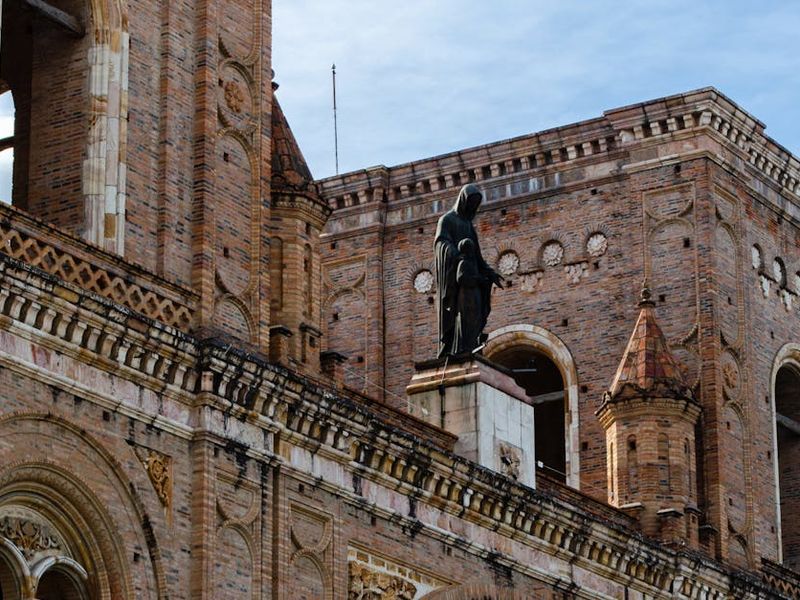
Why expats love it: If you want to be at the center of festivals, museums, restaurants and the iconic blue-domed cathedral, El Centro delivers. The boucle of plazas, colonial buildings and riverside promenades offers unmatched charm and convenience.
What to expect: Cobblestone streets, apartment living (many in restored colonial homes), constant pedestrian traffic and a lively cafe scene. You’ll find day-to-day services within walking distance, and many government offices and banks are nearby.
Practical tips: Apartments here can vary from basic to beautifully restored units with historic features. Noise and tourism can peak during holidays and weekends, so inspect at different times. Parking can be limited; if you drive, look for a property with guaranteed off-street parking or a nearby garage.
2. San Sebastián — Artsy, Residential and Close-In
Why expats love it: Just north of the Tomebamba River and adjacent to El Centro, San Sebastián is quieter but still central. It has an artsy vibe, many boutique restaurants, small parks and more family-friendly streets than the busiest parts of downtown.
What to expect: A mix of modest houses and modern apartment buildings, good access to local markets and a slightly more residential rhythm. It’s an excellent compromise for those who want easy access to downtown without the busiest tourist crowds.
Practical tips: San Sebastián works well for families or couples who want walking access to downtown events while keeping calmer evenings. Look for rentals with reliable hot water — not every older building has modern boilers.
3. El Vergel and the Northern Corridor — Modern Living
Why expats love it: El Vergel and surrounding northern neighborhoods have newer developments, gated communities, and many amenities geared to comfortable modern living — supermarkets, banks, fitness centers and some international restaurants.
What to expect: More apartment towers and subdivisions with secure parking, elevators and sometimes on-site management. These areas are good for those who want newer construction, reliable utilities and easier parking.
Practical tips: If you prefer fiber internet and more predictable modern conveniences, prioritize properties in this corridor. Commuting to the historic center is easy by taxi or car, but factor in heavier traffic during rush hour.
4. El Batán and Southern Residential Areas — Quiet Suburbs
Why expats love it: South of the city center you’ll find peaceful residential neighborhoods, single-family homes with gardens, and leafy streets. These zones appeal to those seeking a quieter daily life and more space.
What to expect: Larger homes, fenced yards and a strong sense of community. Properties often include private gardens, useful for pet owners or gardeners.
Practical tips: Public transport exists but can be less frequent than central zones. If you drive, check road access and street lighting at night. For families, look into proximity to schools and parks.
5. Bellavista and Hilltop Neighborhoods — Views & Tranquility
Why expats love it: Neighborhoods that climb the surrounding hills offer sweeping views over Cuenca’s red-tiled roofs and rivers. If you value scenic vistas and sunsets, hilltop living may be worth a small trade-off in convenience.
What to expect: Steeper streets, quieter evenings, and properties with terraces or balconies. You may find older homes with character as well as newer constructions taking advantage of the views.
Practical tips: Check winter wind exposure and cold overnight temps — properties on ridgelines can be windier. If mobility is a concern, prioritize lower-slope parcels or ensure good vehicle access.
6. Mall del Río / Northern Commercial Zone — Convenience & Shopping
Why expats love it: Near the city’s bigger shopping centers, this area is ideal if you value proximity to supermarkets, cinemas and malls. It’s also increasingly popular with professionals working in northern business districts.
What to expect: Modern apartment complexes, co-working spaces, and easy access to services. This corridor is well served by taxis and has straightforward road access.
Practical tips: While not as “cuencano” in feel as the Old Town, this zone is practical for families, digital nomads and anyone wanting straightforward access to shopping and services. Watch for higher rent for new, amenity-rich buildings.
Costs and Housing Types — What to Expect
Rent and housing styles in Cuenca span a wide range. Below are typical ranges to help you plan (figures are approximate and can vary by size, finish and exact location):
- Studio / small 1-bedroom: $250–$450 per month (basic to comfortable)
- 1–2 bedroom apartment in good central location: $400–$800/month
- Large 2–3 bedroom or single-family home in quieter suburbs: $600–$1,200+/month
- Buying: Prices vary widely by neighborhood; central historic properties are prized for restoration potential, while suburban condos can be more affordable per square meter.
Utilities are generally affordable but are often billed separately from rent. Internet speeds are adequate in most neighborhoods; newer developments often have fiber-optic options.
Safety, Healthcare and Daily Services
Cuenca is considered among Ecuador’s safer cities, and many expats report feeling secure walking around in daytime and early evening. Like anywhere, petty crime — pickpocketing and opportunistic theft — does occur. Use sensible precautions: don’t flash valuables, keep purses zipped, and use hotel or apartment safes for passports and documents.
Healthcare is a major plus. Cuenca has public and private hospitals, clinics, and many dental and specialist practices. Expats commonly report high-quality care at significantly lower cost than in North America. Many neighborhoods are within a short taxi ride of major hospitals.
Transport: Getting Around Cuenca
Cuenca’s city core is eminently walkable. For longer trips, taxis are inexpensive and plentiful; ride-hailing apps operate in Ecuador, offering another convenient option. There is a public bus network connecting neighborhoods, though buses can be crowded during peak hours. If you plan to drive, consider traffic patterns — morning and late afternoon rush hour can add time to commutes, especially between the historic center and northern districts.
Practical Tips for Finding and Renting a Home
- Visit neighborhoods at different times: mornings, nights and weekends to gauge noise, traffic and street life.
- Inspect water pressure, hot water availability and any signs of dampness — older buildings can have maintenance issues.
- Ask about included utilities, wifi speed, and whether parking is guaranteed.
- Leases: Short-term rentals are common, but for long-term stays look for written contracts (usually 6–12 month leases). Security deposits are standard; clarify return conditions before signing.
- Work with a reputable local realtor for listings and to help with contract language; many expats find bilingual agents especially helpful.
Lifestyle Considerations: Culture, Food and Community
Cuenca blends a rich cultural calendar — festivals, live music, and artisan markets — with a relaxed pace. Food options range from traditional Ecuadorian eateries to international restaurants, especially in central and northern neighborhoods. If community matters, look for expat meetups, English-speaking clubs and language exchanges in libraries and cafes; El Centro and San Sebastián are lively hubs for such gatherings.
Final Checklist: Choosing Your Cuenca Neighborhood
To wrap up, here’s a quick decision checklist:
- Want intense culture + walkability? Choose El Centro Histórico.
- Prefer a quieter but still-central vibe? San Sebastián is ideal.
- Want new builds, predictable utilities and parking? Look north at El Vergel or Mall del Río areas.
- Need garden space and family-friendly streets? Southern neighborhoods and El Batán offer more single-family options.
- Love views and tranquility? Hilltop zones like Bellavista are compelling.
Moving to Cuenca is a balance between lifestyle, budget and the pace of life you want. Spend time exploring on foot, talk to neighbors and test-commute to places you’ll frequent like clinics, groceries and social spots. With a little research, you’ll find the right neighborhood to make Cuenca feel like home.
Quick Resources
When you’re ready to dive deeper, visit local community groups, expat forums, and neighborhood Facebook pages for current rental listings and real-time advice from residents. And remember: the best way to find your favorite corner of Cuenca is to walk its streets, sit in its plazas and listen — the city reveals itself slowly and warmly.