
Table of Contents
Why Cuenca’s Historic Center Earned UNESCO Status
Cuenca, tucked into the southern highlands of Ecuador, was designated a UNESCO World Heritage Site for its remarkably intact Spanish colonial plan and richly layered architectural heritage. The grid layout, public plazas, stone churches and riverfront neighborhoods preserve an urban fabric that blends pre-Columbian, colonial and republican moments. Strolling the historic center feels like stepping through centuries—from Cañari and Inca engineering along the Tomebamba to 19th-century cathedral domes that define the skyline.
Getting Oriented: The Heart of the Historic Center
Your starting point is Parque Calderón (Plaza Calderón), the social and architectural nucleus of Cuenca. From this broad, tree-lined square you can see the city’s most recognizable landmark: the cathedral with its sky-blue domes. Radiating out are narrow streets paved in cobblestone, lively markets, and an abundance of churches, convents and civic buildings. The compact layout means most attractions are within easy walking distance.
Must-See Architectural Highlights
Below are the structures and places every architecture-focused visitor should prioritize.
Catedral Nueva (Cathedral of the Immaculate Conception)
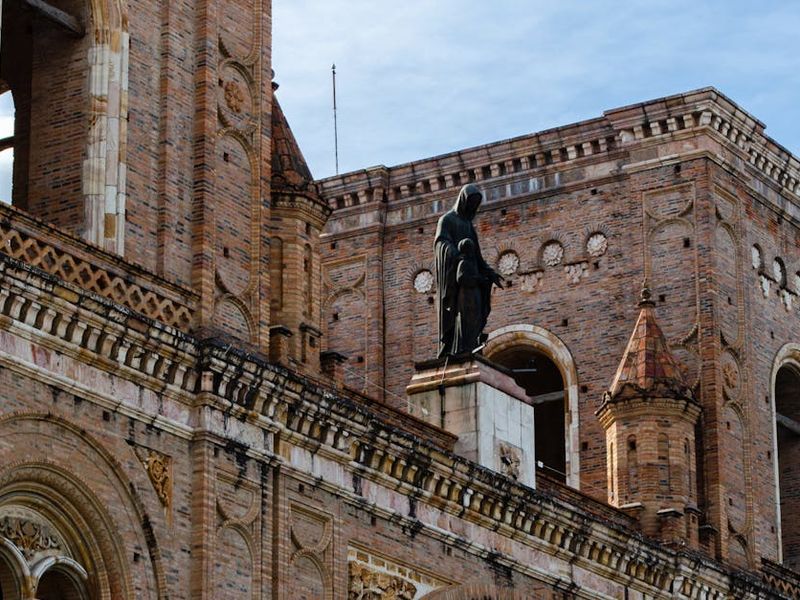
Also called the New Cathedral, this monumental church is famous for its cobalt-blue tiled domes and gothic-renaissance mix of styles. Completed in the early 20th century, the cathedral’s scale and colorful domes make it a photography favorite. Walk inside to admire the vaulted nave, stained glass and the crafted details on altar pieces, and be sure to climb nearby streets for framed views of the domes against the Andes.
Catedral Vieja (El Sagrario / Old Cathedral)
Across the plaza stands the older cathedral, often referred to as El Sagrario. Its more intimate scale and baroque details offer a complementary contrast to the New Cathedral’s grandeur. The Old Cathedral preserves wooden altarpieces, carved retablos and decorative elements that reveal how religious art evolved locally during colonial times.
Convent of Las Conceptas and Church of El Carmen
Cuenca’s convents and churches are excellent windows into colonial life. The Convent of Las Conceptas includes a cloistered courtyard, painted tiles and religious artworks. The Church of El Carmen showcases ornate facades and interior altarpieces with gilded details—look for local artisans’ signatures in carved woodwork and votive paintings.
Museo Pumapungo and Archaeological Remains
Museo Pumapungo is a must for anyone interested in the pre-Hispanic foundations of the city. The museum incorporates archaeological ruins, Inca-era terraces, and ethnographic exhibits that explain how people shaped the surrounding landscape. Behind the museum, terraced gardens and stone walls give a sense of the engineering that predates the Spanish grid.
Tomebamba Riverbanks and El Barranco
The river Tomebamba cuts through the historic center and was central to pre-Columbian urban planning. Wander the riverside paths and the barrio known as El Barranco—here you’ll find narrow alleys clinging to dramatic slopes, fine examples of brick and timber balconies, and viewpoints that frame the cathedral domes. The riverside is especially photogenic at golden hour.
Architectural Styles and Local Materials
Cuenca’s buildings reveal a mix of styles adapted to local conditions. Spanish colonial baroque and neoclassical details sit alongside mestizo ornamentation. You’ll see carved wooden balconies, red clay tile roofs, stucco facades painted in earth and pastel tones, and stone masonry that reflects abundant local limestone. Look closely at ironwork on balconies and lamps—metalworking is a local craft that complements the masonry and woodwork.
Practical Visiting Tips
Walking is the best way to experience the historic center: streets are compact and many gems hide on side alleys. Wear comfortable shoes—the cobbles are charming but uneven. Cuenca sits at about 2,560 meters (8,400 feet) elevation, so expect cooler temperatures and take it easy on arrival; mild shortness of breath or headaches are common for newcomers.
Best Times to Visit
Early morning is ideal for photography and quieter exploration before tour groups arrive. Late afternoon and sunset are perfect for riverside views and watching the domes glow. Weekdays are less crowded than weekends when locals gather in plazas and markets.
Respect and Rules
Many churches are active worship spaces—dress modestly (shoulders covered, avoid shorts in churches) and behave respectfully during services. Photography rules vary: interior photography may be restricted in some sacred spaces or museums. Also remember Cuenca enforces historic-preservation regulations: don’t affix anything to facades, climb on monuments or use drones near historic buildings without permits.
Suggested Walking Itineraries
Here are easy-to-follow plans depending on how much time you have.
Half-Day: Quick Architectural Overview
- Start at Parque Calderón to take in both cathedrals.
- Walk Calle Larga and peep into side streets for colonial balconies and cafe courtyards.
- Descend to the Tomebamba riverbanks and stroll El Barranco for close-up views of riverside terraces.
Full Day: Museums + Neighborhoods
- Morning at Museo Pumapungo to explore pre-Hispanic ruins and ethnographic displays.
- Lunch near Plaza Calderón and visit the Old and New Cathedrals.
- Afternoon at the Convent of Las Conceptas and the San Francisco complex.
- Evening at Mirador de Turi for a panoramic sunset over the historic center.
Two Days: Deeper Architectural Immersion
- Day 1: Follow the full-day itinerary and add a guided walking tour focused on architectural details.
- Day 2: Explore artisan markets, take a class on traditional woodcarving or ironwork, and revisit favorite facades at different light.
Where to Photograph: Best Vantage Points
For the classic cathedral domes framed by the city, head to the riverbanks and El Barranco. Calle Larga and the upper slopes near the convents offer streetscape shots with carved balconies and tiled roofs. For a sweeping panorama, Mirador de Turi (a short taxi ride southeast of the historic center) gives a vista of the entire valley and cathedral cluster that’s especially striking at sunset or after a light rain when the roofs deepen in color.
Museums, Galleries and Workshops
Beyond Pumapungo, Cuenca has smaller museums and galleries worth visiting to understand craftsmanship and conservation. The municipal modern art museum features contemporary responses to the city’s built heritage. Look for small workshops where artisans make and sell baskets, jewelry, and woodwork; many accept visitors by appointment and will explain traditional techniques used in restoration and ornamentation you’ll see on facades throughout the city.
Food, Markets and Rest Stops
Exploring architecture is hungry work. Stop at neighborhood cafés by Parque Calderón for a coffee and empanadas, or try Mercado 10 de Agosto for local produce, soups and affordable lunches among market-goers. The artisan markets near the city center are perfect for picking up a hand-made souvenir—look for woven goods and silver filigree fashioned in local styles.
Accessibility and Transport
Historic streets with cobbles and stairs create mobility challenges in parts of the old town. Some museums and cafes provide ramps, but many churches and viewpoints require steps. Taxis are plentiful and inexpensive for reaching Mirador de Turi or neighboring districts. Decide whether you want a guided tour—licensed guides can tailor routes to mobility needs and offer deeper historical context.
Health, Safety and Practicalities
Cuenca is considered one of Ecuador’s safest large cities, but standard precautions apply: keep an eye on belongings in crowded markets and on buses. Carry small change for market sellers and bodega purchases. The city uses the U.S. dollar, ATMs are widespread, and many restaurants accept cards but always confirm before ordering.
How Conservation Shapes the City Today
Cuenca’s UNESCO status brings both benefits and responsibilities. Restoration projects must follow strict guidelines to preserve original materials and street patterns. This commitment means facades are often well-maintained, but renovations can be slow and costly; sometimes scaffolding will be present. When visiting, you’re witnessing an ongoing conversation between heritage protection and the needs of a living city.
Seasonal Events and Religious Processions
Religious festivals bring the historic center alive, with processions that wind through narrow streets and plazas, allowing close observation of altars, banner work and ephemeral decorations. If your visit coincides with Holy Week or other local feast days, you’ll see churches at their most active—great for cultural context but expect crowds and occasional restricted access to some interiors.
Final Practical Checklist Before You Go
- Wear sturdy shoes for cobblestones and uneven alleys.
- Bring a light jacket—the mountain climate can shift quickly.
- Carry cash and small bills for markets and small museums.
- Plan morning or late-afternoon visits for the best light and fewer crowds.
- Ask before photographing inside churches or guided exhibits.
- Take a respectful approach to all religious spaces; many are active places of worship.
Conclusion: Seeing Layers of Time in Stone and Tile
Cuenca’s UNESCO historic center is not a frozen set of monuments but a living, breathable city where architectural layers tell stories of indigenous engineering, colonial settlement and modern civic life. With a little planning—comfortable shoes, respectful behavior in churches, a stop at Pumapungo and time to wander riverside alleys—you’ll come away with a deep appreciation for how architecture shapes daily life in this remarkable Andean city.
Whether you’re an architecture student, history buff, photographer or curious traveler, Cuenca rewards slow looking. Take your time, follow the light, and pay attention to the small details—carved cornices, painted tiles, ironwork—that make the city’s UNESCO-listed center so special.