
Table of Contents
Why Cuenca is a Food City Worth Exploring
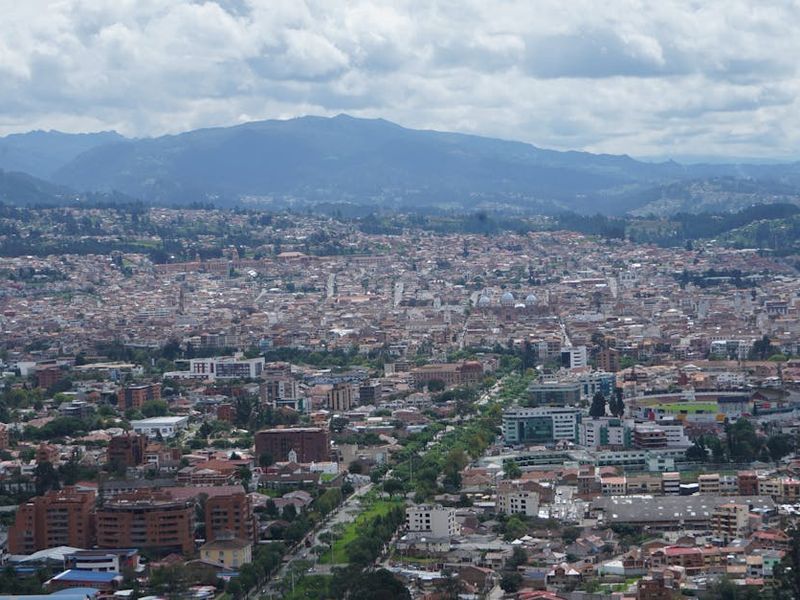
Cuenca’s food scene is a blend of highland Ecuadorian comfort food, immigrant influences, and a growing wave of chefs reinventing classic dishes. Nestled in the southern Andes with cool mountain air and fertile surrounding valleys, the city offers everything from hearty soups to light, inventive tasting menus. Whether you’re an adventurous eater looking for cuy (guinea pig) or a slow-food fan hunting for farm-to-table ingredients, Cuenca rewards curiosity.
Understanding Cuenca’s Food DNA
Before you follow any list, it helps to recognize the flavors and staple dishes you’ll encounter. Expect potatoes and corn in many forms, mild stews with local herbs, and pork-heavy preparations like hornado (roast pork) and fritada (fried pork). High-altitude produce keeps fresh vegetables and bright salads on menus, while artisans churn out traditional sweets such as helado de paila (handmade sorbet) and bizcochos (crispy cheese biscuits).
Where to Eat: Neighborhoods and What to Expect
Cuenca’s best restaurants cluster by vibe—choose depending on the experience you want.
- Old Town / Parque Calderón: Tourist-friendly, brimming with bakeries, cafés, and mid-range restaurants serving Ecuadorian and international plates. Great for people-watching and cathedral views while you dine.
- Barranco (riverfront): Walk the Tomebamba riverbanks to find riverside cafés, intimate bistros, and terraces. Many spots here focus on ambiance as much as food—ideal for a relaxed dinner or brunch.
- San Sebastián & Artisan Quarter: Small cafés, vegetarian options, and cozy bakeries around cobblestone streets. A good place to find experimental menus and locally roasted coffee.
- Markets & Food Halls: Central markets and communal food halls offer the most authentic local dishes at wallet-friendly prices and are the best places to sample traditional homestyle cooking.
Must-Try Dishes and Where to Find Them
For a first-timer’s culinary checklist, prioritize these flavors and formats—plus tips on where they shine.
- Locro de Papa: A comforting potato and cheese soup often served at mercados and small local eateries. Perfect for cooler afternoons.
- Hornado & Fritada: Hearty pork plates best experienced at traditional comiderias (family-run dining rooms) or at market stalls during lunchtime.
- Cuy: Traditional and festive—served roasted or fried. Look for restaurants that specialize in local cuisine if you want a respectful, well-prepared cuy experience.
- Mote & Llapingachos: Corn-based sides and potato patties that accompany many meals; common at neighborhood taverns.
- Helado de Paila: Artisanal sorbets made in a cold metal pan, usually sold at markets and plazas—an ideal cooling dessert.
Markets and Street Food: Where to Go, What to Order
Markets are at the heart of Cuenca’s culinary life. The central market (near the main square) is a practical first stop for lunch. Look for thick soups, plate lunches that change daily, and vendors specializing in sweet breads and pastries for afternoon snacks. Street stalls near parks often sell empanadas, tamales, and fresh fruit juices—safe to eat when you choose busy, popular stalls where turnover is high.
From Casual to Fine Dining: Types of Restaurants You’ll Love
Cuenca’s dining options span every price point and culinary philosophy. Here’s how to decide where to spend your meal budget:
- Budget (US$2–8): Market plates, lunchtime set menus (“almuerzos”), and street food. Satisfying and authentic—ideal for food-focused days when you want to try many things.
- Mid-range (US$10–25): Neighborhood bistros, coffee houses with full menus, and family-run restaurants offering larger selections and nicer service.
- Fine dining (US$30+): Chef-driven tasting menus, modern takes on Ecuadorian cuisine, and restaurants with curated wine lists. Reservations recommended for evenings.
How to Choose the Best Restaurant for Your Visit
Use these practical filters to find spots that match your tastes:
- Local recommendation: Ask hotel staff or artisans for a favorite—locals often point to the gems not always listed online.
- Check the crowd: Busy restaurants with mostly locals are usually a safe bet for freshness and flavor.
- Menu focus: Look for a concise menu that suggests kitchen specialization rather than an extensive, unfocused list.
- Cleanliness & service: A clean open kitchen or visible prep area is a good sign; friendly staff can also guide you through unfamiliar dishes.
Practical Tips: Money, Language, and Dining Etiquette
Knowing a few local practices makes eating out more enjoyable.
- Currency and payment: Ecuador uses the U.S. dollar. Small restaurants and market stalls often prefer cash; many mid-range and fine dining places accept cards. Carry small bills for tips and taxis.
- Tipping: Service charge is sometimes included; otherwise 10% is customary but not mandatory. Leaving small change or rounding up is common in markets and cafes.
- Opening hours: Lunchtime (almuerzo) is the main meal, typically 12:00–15:00. Many restaurants close mid-afternoon and reopen for dinner around 19:00. Market food stalls may be busiest in the morning and lunchtime.
- Spanish phrases: A few words help—”¿Me recomienda algo típico?” (Can you recommend something typical?), “Estoy listo para ordenar” (I’m ready to order), and “La cuenta, por favor” (The check, please).
Vegetarian, Vegan and Dietary Needs
Traditional Cuencan cuisine leans on meat and dairy, but the city’s growing expat and tourist community has inspired a good selection of vegetarian and vegan-friendly cafes. Look for places advertising “opciones vegetarianas” or “vegano”. Markets can also accommodate dietary needs—many stalls sell grilled vegetables, fresh salads, and hearty soups without meat when asked. It’s always wise to mention allergies in Spanish: “Soy alérgico/a a…”.
Safety and Food Quality: A Few Airport-to-Table Notes
Food safety in Cuenca is generally good, but take normal travel precautions. Prefer busy food stalls with high turnover, avoid ice in street beverages if you have a sensitive stomach, and choose bottled water if you’re unsure about tap water in your accommodation. For adventurous dishes like cuy or organ meats, pick respected establishments known for their preparation—ask locals where they go for these specialties.
A One-Day Food Itinerary for Serious Eaters
Maximize your taste-testing with this compact food crawl:
- Breakfast: Start with a fresh pastry and strong coffee at a bakery near Parque Calderón. Try a toasted cheese roll with a cup of local coffee beans—Cuencan roasters are getting excellent reviews.
- Mid-morning snack: Visit a nearby market for helado de paila or a fruit juice made with local berries.
- Lunch: Choose a market stall or family-run comideria for a plate of hornado or locro de papa with mote—affordable and filling.
- Afternoon: Take a coffee break in San Sebastián at a specialty café; sample a pour-over and a locally baked cake.
- Dinner: Reserve a spot at a chef-driven or riverside restaurant—try a modern take on Ecuadorian ingredients or a multi-course tasting menu to finish the day memorably.
Finding Current ‘Best’ Restaurants and Staying Flexible
The restaurant scene in Cuenca evolves quickly. New chefs open creative projects and classic family restaurants reinvent themselves. Use a mix of up-to-date local review sites, social media, and word-of-mouth from residents to find the latest favorites. Also, be flexible—some of the best meals happen at impromptu neighborhood joints you stumble into while exploring the city’s charming streets.
Final Thoughts: Eat Like a Local, Explore Like a Foodie
Cuenca is about slow savoring more than ticking off Michelin stars. Enjoy the relaxed pace: linger over soups, sample street snacks between meals, and take time to appreciate how traditional ingredients are reimagined by new chefs. Whether you choose mercados, riverside terraces, or intimate tasting menus, Cuenca’s hospitality and flavors will make eating here one of the highlights of your time in Ecuador.
Quick Reference: Practical Details
- Typical meal cost: US$2–8 (market/street), US$10–25 (mid-range), US$30+ (fine dining)
- Common dining hours: Lunch 12:00–15:00, dinner from 19:00
- Language: Spanish—basic phrases helpful
- Best neighborhoods for food: Old Town, Barranco, San Sebastián, and central markets
- Must-try local sweets: Helado de paila, bizcochos, and local pastries
Enjoy your culinary adventures in Cuenca—bring curiosity, a hearty appetite, and comfortable walking shoes. The best meals often appear exactly where you least expect them.