
Table of Contents
Why neighborhood choice matters in Cuenca
Cuenca is compact, walkable and rich in history, but neighborhoods vary widely in character: colonial plazas and cobblestones in the Centro Histórico, modern apartment blocks near shopping malls, quiet residential hills with sweeping views, and touristy ridges where buses and tour groups gather. Choosing the right barrio affects your daily life—how you shop, commute, socialize, and even how you sleep at night. This guide breaks down the best areas for expats, with practical tips on rent, services, transport and lifestyle so you can make an informed move.
Quick overview: the neighborhoods to consider
Below are the areas most popular with expats, retirees and digital nomads. Each one offers different trade-offs in price, convenience, noise and scenery. Read the deeper profiles after this list to match a neighborhood to your priorities.
- Centro Histórico (Historic Center): cultural heart, walking distance to everything.
- El Vergel: family-friendly, quieter streets, good local services.
- San Sebastián: residential, leafy blocks close to the center.
- Yanuncay / Mall del Río: modern conveniences, shopping and riverfront walks.
- Turi: hilltop views and a tourist vibe, more car-dependent.
- Bellavista: upscale, panoramic city views.
- Ricaurte and outer residential zones: affordable options and local markets.
Understand Cuenca’s practical context
Before we dig into neighborhoods, remember a few city-wide facts that affect every choice. Cuenca sits at about 2,560 meters (roughly 8,400 feet). The climate is spring-like year-round—cool mornings and evenings, mild afternoons—so heating isn’t common, but good windows and warm bedding matter. The city is generally safe by Latin American standards, but like anywhere, petty theft and opportunistic crime occur; neighborhoods with active street life and good lighting feel safer at night. Public health care and private clinics are available across the city, and international schools, supermarkets (Supermaxi, Mi Comisariato), and malls (like Mall del Río) make life convenient.
Centro Histórico: walkable, cultural, and full of character
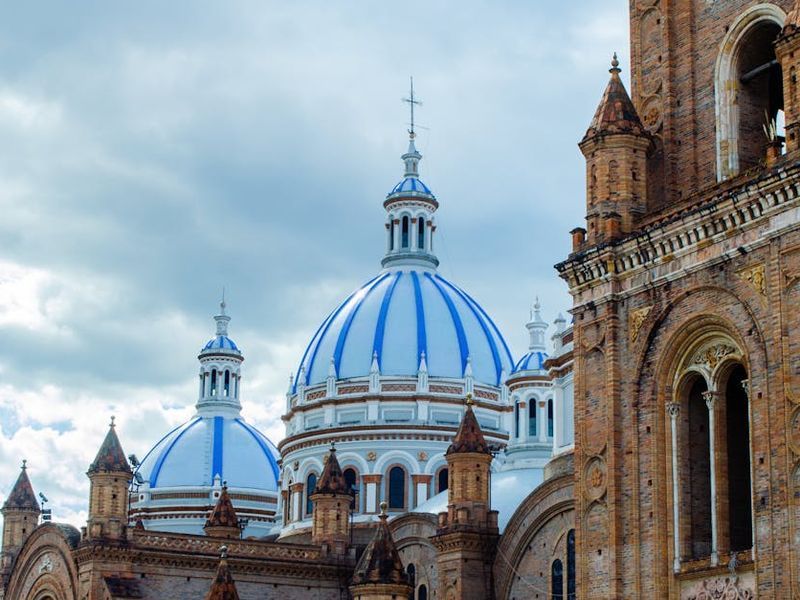
The Centro Histórico—centered on Parque Calderón and the blue-domed Catedral—draws many expats who want to be in the middle of art galleries, cafes, churches and weekend markets. Colonial architecture, narrow streets and a steady flux of tourists make this area vibrant and ever-changing.
Pros:
- Walking distance to museums, restaurants and municipal services.
- Good for expats who enjoy a social lifestyle and public events.
- Many short-term rentals and furnished apartments geared to foreigners.
Cons:
- Cobblestone streets and steps can be difficult for mobility issues.
- Noise from bars, markets and tourism—especially on weekends.
- Parking is scarce; owning a car is inconvenient.
Practical tip: If you want Centro living without constant noise, look for apartments on quieter side streets away from main plazas or higher-floor units in buildings with elevators.
El Vergel: family-friendly and conveniently modern
El Vergel sits southeast of the historic center and is a favorite with families and expats seeking quieter residential streets without losing access to the city’s amenities. Here you’ll find small parks, grocery stores, local bakeries and a mix of older houses and newer apartment complexes.
Why expats like it:
- Less tourist traffic but still a short taxi ride to the Centro.
- Good local schools, clinics and community feel.
- Many mid-range rental units with balconies and modest monthly fees.
Rent reality: Furnished one-bedroom apartments in El Vergel often run in the $300–$600/month range; two-bedrooms $450–$900 depending on location and amenities.
San Sebastián: leafy streets and traditional charm
To the north of the Centro, San Sebastián is a traditional neighborhood that blends quiet residential blocks, small shops and local markets. It’s a good compromise for expats who want a neighborhood feel with easy access to the center.
Highlights:
- Tree-lined streets and plazas encourage walking and early-morning markets.
- Lower noise levels than the Centro but still very central.
- A healthy mix of Ecuadorian families and long-term foreign residents.
Practical tip: Ask landlords about hot water sources—many homes use gas heaters or electric water heaters, and older buildings may take longer to heat water.
Yanuncay and Mall del Río: modern conveniences and river walks
The Yanuncay river corridor and the Mall del Río area are where Cuenca’s more modern developments cluster. Apartment buildings, contemporary shopping centers, and wider avenues make this area feel more like a mid-sized North American city than the colonial core.
Why consider Yanuncay:
- Large supermarkets, cinemas and medical centers are nearby.
- Newer apartments often include elevators, in-unit laundry and parking.
- Good access for commuters traveling to work or school across the city.
Cons: It can be more car-oriented and feel less atmospheric than the Centro.
Turi and Bellavista: views, restaurants and a more remote vibe
Turi and Bellavista sit on hills to the south of the city and are famous for their panoramic viewpoints. If you crave sunrise and sunset vistas over red-tiled roofs and church spires, these neighborhoods deliver. Turi has a well-known mirador where tourists and locals gather; Bellavista offers quieter residential pockets with larger properties.
Pros:
- Fantastic views and a more relaxed pace; ideal for evening strolls.
- Some larger homes and modern condos with private parking.
Cons:
- Steep, winding roads—walking can be strenuous and taxis are often needed.
- Further from downtown services; daily errands might require a vehicle.
Practical tip: If you buy or rent uphill, inspect access in wet weather—some roads are narrow and can be challenging in heavy rains.
Ricaurte and outer residential zones: affordability and local life
If your top priority is affordability, Ricaurte and neighborhoods further from the center offer lower rents and a strong sense of local community. These areas are typically more Ecuadorian in tone—markets, corner tiendas and busier local life.
What to expect:
- Lower rent but sometimes older infrastructure and fewer amenities aimed at foreigners.
- Good food markets and local bakeries; excellent value for day-to-day living.
Tip: Use a short-term rental while house-hunting here so you can tour several blocks at different times of day and get a feel for noise and safety.
What to budget for housing and utilities
Rental prices in Cuenca vary widely by neighborhood and quality. Below are approximate ranges in U.S. dollars to help you plan (prices can fluctuate):
- Studio or small one-bedroom: $250–$500/month
- One-bedroom furnished in Centro or modern building: $350–$700/month
- Two-bedroom in a good neighborhood: $450–$1,000/month
- Three-bedroom or house in Turi/Bellavista: $700–$1,500/month
Typical monthly utilities for a small apartment (electricity, gas, water, basic internet): $40–$120 depending on heating and appliance use. Internet 10–20 Mbps commonly costs $25–$40/month. Condominium fees (alícuota) for shared buildings can add $30–$200/month depending on services like security and elevators.
Transportation and getting around
Cuenca is compact and walkable in many neighborhoods. Taxis are inexpensive for short trips; agree on the fare or request the meter. There are buses for longer or cheaper journeys, but routes can be confusing at first—ask locals or check transport apps. If you plan to drive, be prepared for narrow streets in older barrios and limited parking near the Centro.
Safety, healthcare and everyday services
Cuenca is considered one of Ecuador’s safer cities, though petty theft and bag-snatching happen—especially in crowded markets or around tourist hubs. Common-sense precautions—keeping valuables zipped, carrying copies of important documents, using hotel safes—go a long way.
Healthcare: Cuenca has both public hospitals and private clinics. Many expats use private clinics for faster service. Pharmacies are widespread and English is commonly spoken at larger medical centers.
How to find and secure housing
Start with short-term rentals (Airbnb, local guesthouses) for the first 2–6 weeks while you tour neighborhoods. Use Facebook expat groups, local real estate agencies and walking the streets to find ‘Se Alquila’ signs. When negotiating a lease:
- Ask clearly what utilities are included (agua, luz, gas, internet).
- Clarify deposit amounts (usually one to two months) and conditions for return.
- Check whether the apartment comes furnished and if appliances are in working order.
- Get the lease in writing and, if needed, have a bilingual friend or lawyer review it.
Building a social life and finding community
Cuenca has active expat communities—meetup groups, Spanish schools offering social events, volunteer organizations, and coworking spaces if you work remotely. The historic center and parks host cultural events and craft markets where you’ll meet both locals and foreigners. Learning Spanish even at a basic level will dramatically expand your social circle and daily ease.
Final checklist when choosing a neighborhood
Before signing a lease, walk each area at different times (mornings, afternoons, evenings), check commute times to work or school, test mobile signal and internet speed, and talk to neighbors about noise, safety and services. Verify the proximity of groceries, pharmacies and healthcare. If having a car matters, inspect parking and access to major roads.
Wrapping up: match priorities to neighborhood
There’s no single “best” neighborhood for all expats—your ideal barrio depends on whether you prioritize nightlife and culture (Centro Histórico), quiet family life (El Vergel, San Sebastián), modern conveniences (Yanuncay/Mall del Río), views and a slower pace (Turi, Bellavista), or affordability and authentic local life (Ricaurte and outer zones).
Cuenca rewards those who explore: take a couple of weeks to live in or near your preferred area before committing long-term. Once you settle in, you’ll likely discover the everyday pleasures that make life in this Andean city so appealing: neighborhood bakeries, friendly market vendors, easy access to nature, and a pace of life that invites connection.
Quick resources
- Short-term stay: book an Airbnb or guesthouse while house-hunting.
- Local info: join Facebook groups for expats in Cuenca and check Spanish schools for neighborhood recommendations.
- Practical services: locate the nearest supermarket (Supermaxi/Mi Comisariato), pharmacy and clinic before you move in.
With a little research and neighborhood scouting, you’ll find the Cuenca barrio that fits your lifestyle—and quickly feel at home among its plazas, parks and mountain views.