
Table of Contents
Why Cuenca is a Great Place for a Relaxing Dental Retreat
Cuenca’s colonial streets, mild mountain climate, and growing reputation for high-quality dental care make it ideal for travelers who want to mix medical appointments with a slow-paced, restorative vacation. The city’s compact historic center, friendly expat community, and an array of comfortable lodging options allow you to recover in comfort between procedures.
Start with a Clear Plan: Pre-Trip Steps
Before booking anything, schedule a virtual consultation with one or more Cuenca clinics. Send recent x-rays, a written summary of your dental history, and clear photos. This lets the dentist create a preliminary treatment plan and estimate so you can plan time and budget.
Ask the clinic to provide these essentials in writing: an itemized cost estimate, a treatment timeline with the number and length of visits, details about materials and brands (e.g., crown materials, implant brand), and their sterilization and anesthesia protocols. Clarify whether translators or English-speaking staff will be available and whether the clinic offers airport transfers.
Pacing Your Trip by Procedure
How long you should stay in Cuenca depends on the treatment:
- Routine care (cleaning, fillings, simple extractions): 3–5 days. Arrive one day early to acclimate and schedule the treatment early in the visit.
- Crowns and veneers (two-visit workflows): 7–10 days. Many labs finish same-week or within 7–10 days; staying in the historic area keeps commuting simple.
- Implants: 1–2 weeks for initial surgery and immediate follow-ups; if the clinic performs implant placement with a healing period, you may need a second shorter trip months later, unless immediate-load implants are offered. Always get the clinic’s implant protocol in advance.
- Full mouth rehabilitations: plan multiple visits or a longer stay, based on the dentist’s timeline.
Choosing Where to Stay: Convenience vs. Quiet
Cuenca’s Historic Center (El Centro) is where you’ll find major landmarks, cafés, and many dental clinics within easy walking distance of hotels and short-term rentals. Staying here means minimal transit time and easy access to pharmacies and restaurants—handy when you need to grab soft food or medication quickly.
If you prefer a quieter stay, look for nearby neighborhoods a short taxi ride from the center. The city’s compact scale makes it easy to balance tranquility with access. When booking, verify the distance to your clinic and whether the route involves steep cobblestone streets—if you’ll be sore after surgery, flatter streets and short travel times are preferable.
What to Pack for a Comfortable Recovery
- Copies of your dental records and x-rays (digital and printed), passport, and travel insurance details.
- An aftercare kit: a soft toothbrush, prescribed mouthwash (for example, chlorhexidine if recommended), over-the-counter analgesics (ibuprofen or acetaminophen if advised), cold packs, and a small pillow to prop your head for sleep.
- Comfortable clothing and slip-on shoes—you’ll appreciate easy footwear if your jaw is sore.
- A refillable water bottle and snacks for soft diets: yogurt, applesauce, smoothies (avoid straws after extractions), and soups.
- Any regular medications in original containers and a copy of prescriptions, especially if you need antibiotics or stronger pain meds after surgery.
Arrival and Acclimatization: Respect the Altitude
Cuenca sits at about 2,500–2,600 meters (roughly 8,400 feet). Even healthy travelers can feel mild altitude effects—shortness of breath, fatigue, or headaches. Plan at least one easy day after arrival before a major dental procedure. Hydrate, avoid heavy exercise, and keep activities calm. This helps ensure your body tolerates anesthesia and begins healing smoothly.
Navigating Logistics: Transport, Communication, and Payments
Many dental clinics offer airport pickup—ask for this when you book. Otherwise, official taxis are plentiful in Cuenca and rideshare services operate with varying coverage; when in doubt, ask the clinic for a recommended driver. For short trips around the center, walking is often the fastest option.
Bring some US dollars or credit/debit cards. Most clinics accept international cards or bank transfers, but some prefer cash for part payments. Confirm payment methods with your clinic in advance and request receipts outlining work performed and materials used for warranty or insurance claims back home.
Aftercare Essentials: What to Expect and How to Speed Recovery
Post-procedure care varies by treatment, but common principles apply:
- Rest and easy movement: avoid strenuous activity for 48–72 hours after extractions or implant surgery.
- Diet: stick to soft, nutrient-dense foods—pureed soups, mashed potatoes, scrambled eggs, smoothies (but no straws after extractions), and well-blended stews once you feel ready.
- Oral hygiene: follow your dentist’s specific instructions. Often this includes gentle rinsing with salt water after 24 hours and avoiding vigorous spitting. Your dentist may prescribe an antimicrobial mouthwash.
- Pain and swelling: cold compresses help the first 48 hours; keep your head elevated while sleeping. Use prescribed or recommended OTC pain relief as directed.
- Avoid smoking and alcohol: both impede healing and can increase infection risk.
Important: many dentists recommend allowing at least 48–72 hours before flying after an extraction or implant placement, and longer if you had IV sedation or general anesthesia. Air travel after certain upper jaw surgeries or sinus lifts may be contraindicated for longer. Confirm this with your clinician and book an open-ended return flight if possible.
Combining Gentle Tourism with Recovery
Cuenca is perfect for low-impact sightseeing. Gentle activities include:
- Strolling along the Tomebamba River and its ornate bridges—flat paths and benches make this an ideal post-op walk.
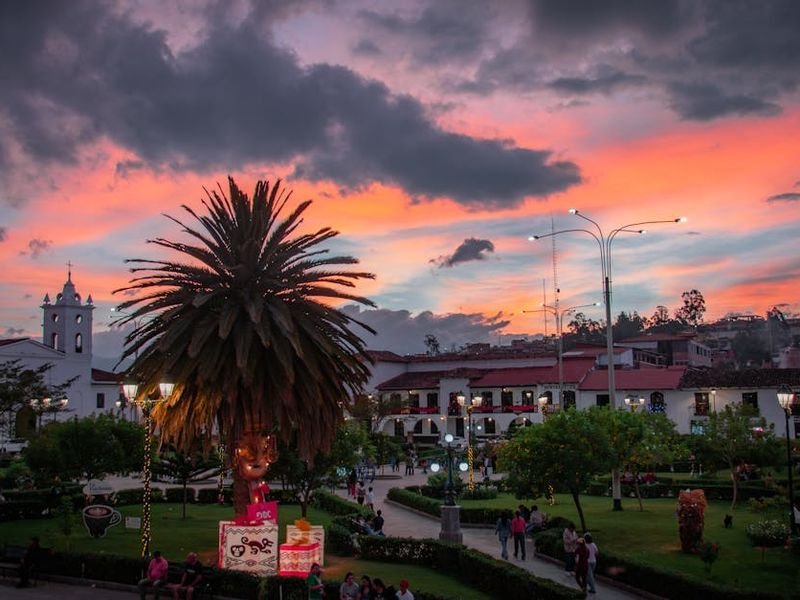
- Relaxing at Parque Calderón, watching daily life around the cathedral.
- Visiting Museo Pumapungo, which features ruins and botanical areas for easy exploration at your own pace.
- Exploring artisan markets at a slow pace—perfect for picking up a light souvenir while sitting for breaks.
- Taking a short drive to Mirador de Turi for panoramic city views without long hikes.
Avoid high-intensity outdoor activities like long mountain hikes, cycling, or any sport that risks facial injury for at least a week after oral surgery.
Food and Drink: Local Flavors for a Healing Diet
Cuenca offers nourishing cuisine that supports recovery. Look for traditional highland soups and stews that can be blended or softened—locro de papas (potato soup), caldo de gallina (chicken broth), and fresh fruit smoothies are staples. Try small cafés serving soft Andean-style dishes and enjoy Ecuadorian coffee spaced out from immediate post-op medications.
If you follow dietary restrictions, the city’s markets and kitchens are used to accommodating requests—simply explain your needs. Many restaurants have English-speaking staff in tourist areas.
Choosing the Right Clinic: Credentials, Communication, and Comfort
When selecting a dentist in Cuenca, prioritize:
- Clear credentials and licensing. Ask for the dentist’s professional registration and inquire about affiliations or continuing education.
- Transparent communication. English fluency or a reliable translator helps avoid misunderstandings about treatment expectations and costs.
- Visible infection-control practices and modern equipment—digital x-rays, 3D scans (CBCT) if needed, and documented sterilization protocols.
- Before-and-after photos and testimonials from international patients. A clinic that frequently treats foreign visitors will often have a smoother process for transfers and follow-up.
- Post-treatment support. Confirm who to contact after hours and whether the clinic coordinates follow-up or emergency care.
Budgeting: How Much Should You Expect to Spend?
Exact numbers vary, but a typical dental vacation budget includes:
- Round-trip airfare: depends on origin—shop flexible dates and mid-week flights for better fares.
- Accommodation: options range from budget guesthouses to boutique hotels; many travelers choose mid-range hotels in the Historic Center for comfort and convenience.
- Clinic costs: many patients report significant savings compared with U.S. or Canadian prices; ask for a written estimate. Factor in any taxes or lab fees.
- Daily expenses: meals, local transport, and light activities. Cuenca is generally affordable but plan a buffer for unexpected medication or additional work.
Always keep an emergency fund for unplanned follow-ups or overnight stays if healing takes longer than expected.
Insurance, Warranties, and Follow-Up Care
Check whether your dental insurance will cover any portion of out-of-country care—some policies reimburse part of the cost with pre-authorization. Ask your clinic about warranties on restorative work: many offer guarantees but require proof of routine maintenance. Agree on a follow-up plan before you leave: some clinics provide remote check-ins and will coordinate with a local dentist at home if ongoing care is needed.
Safety and Practical Tips
- Bring copies of all receipts and written treatment records in English for your local dentist after you return home.
- Drink bottled water if you prefer—Cuenca’s municipal water quality is generally good, but personal tolerance varies.
- Use the first few recovery days to acclimate and rest—get comfortable with the idea of cancelling a planned excursion if you need more downtime.
- Ask for a clear emergency contact card from your clinic with instructions in English and Spanish for local emergency services.
Final Checklist Before You Travel
- Completed virtual consultation and written treatment plan
- Booked flexible flights allowing 2–3 recovery days after major procedures
- Confirmed transfers and lodging within easy reach of the clinic
- Packed medications, records, and aftercare supplies
- Communicated dietary needs to restaurants or prepared a soft-food plan
Conclusion: Balance Care with Calm
A dental vacation in Cuenca can be restorative and efficient when planned with intention. Choosing a clinic with clear communication, giving your body time to acclimate to altitude, and building a recovery-friendly itinerary will let you receive excellent dental care while soaking up the city’s relaxed energy. With the right preparation, you can return home smiling brighter—and feeling more rested than when you left.