
Table of Contents
Welcome to Cuenca: What to Expect
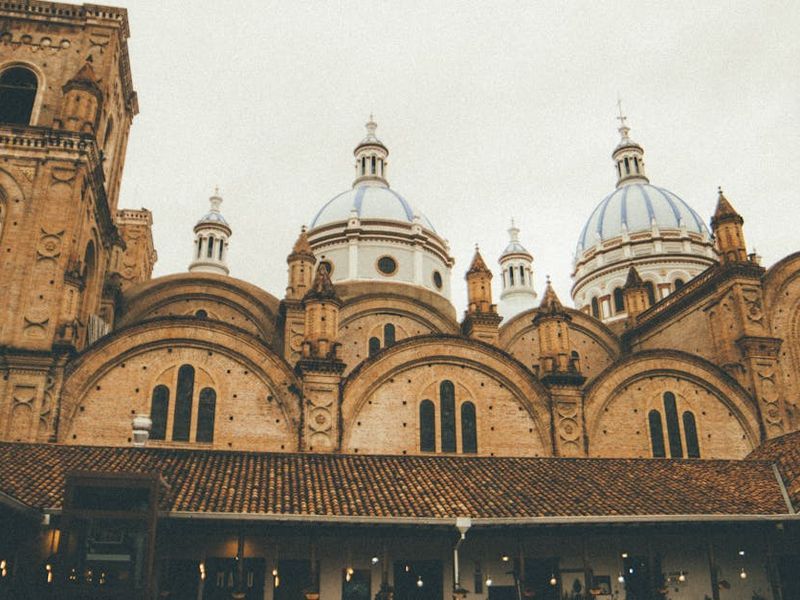
Cuenca, Ecuador’s charming colonial jewel, is often a favorite for first-time visitors to the country. With its blue-domed cathedral, flower-lined rivers, and mellow Andean pace, the city rewards slow exploring. Still, a few practical tips will make your arrival and early days smoother—especially because Cuenca sits high in the Andes and blends local traditions with a growing expat scene.
Before You Go: Essentials to Sort Out
Start by checking passport validity (six months is a common requirement), and buying travel insurance that covers medical evacuation and hiking if you plan on visiting El Cajas. Ecuador uses the U.S. dollar, so you won’t need to exchange currency, but it’s smart to carry small bills for markets and taxis.
Electricity in Ecuador is 110V and uses the same plug types as the U.S. (Type A/B), so North American travelers can plug in without an adapter. Visitors from elsewhere should bring a suitable adapter and a voltage converter if your devices expect 220–240V.
Health, Altitude and Packing
Cuenca sits at roughly 2,560 meters (8,400 feet). Most people acclimatize quickly but expect mild symptoms like shortness of breath or tiredness for a day or two. Hydrate, limit alcohol your first 24–48 hours, and avoid overly strenuous hikes until you feel adjusted. Bring sunscreen, lip balm and a good reusable water bottle—sun intensity is higher at altitude.
Packing should favor layers: sunny days can be warm, while evenings get cool. Comfortable walking shoes are essential—the historic center’s streets are cobblestone and uneven. Don’t forget a compact umbrella or lightweight rain jacket—Cuenca’s weather can be changeable.
How to Get to Cuenca
If you’re flying, Cuenca’s Mariscal La Mar Airport (CUE) has domestic flights from Quito and Guayaquil and limited international connections. Many travelers fly into Quito (UIO) or Guayaquil (GYE) and continue by bus or a short domestic flight.
Buses are comfortable and affordable. From Guayaquil the trip takes about 3.5–4.5 hours; from Quito it’s roughly 8 hours, though the road trip is scenic. Choose reputable companies and consider booking a semi-cama (reclining seat) bus for overnight trips. If you’re arriving by car, keep in mind narrow historic streets and limited parking in the old town.
Where to Stay: Neighborhoods and Practical Tips
Choosing the right neighborhood will shape your Cuenca experience. Here are the popular areas:
- Historic Center (Centro Histórico): Steps from Parque Calderón and the Cathedral with abundant restaurants, museums and artisan shops. Highly walkable but can be busy and noisy on weekends.
- San Sebastián: A creative quarter with pottery workshops and colorful streets—great for shopping local crafts and being close to the riverbanks.
- El Barranco / Tomebamba riverside: Scenic riverside promenades and quieter streets; excellent for morning walks and photo ops.
- Yanuncay & Surrounding Areas: More residential and calmer at night; good mid-range hotel options and safe neighborhoods favored by families and long-stay visitors.
Budget hostels and guesthouses can start as low as $10–20 per night, mid-range hotels usually fall into the $40–80 range, and boutique options can cost $80 and up. If you prefer Airbnb, look for places a short walk from Parque Calderón for maximum convenience.
Getting Around the City
Cuenca is highly walkable, especially the historic center where many attractions are close together. Walking also reveals hidden courtyards, artisan shops and the best coffee spots.
For longer trips, local buses are inexpensive (bring small coins) and cover most neighborhoods. Taxis are plentiful—use radio taxis called through your hotel or negotiate the fare before getting in if the driver doesn’t turn on a meter. Ride-hailing apps are sporadically available, but don’t always cover every area or time of day, so have local taxi numbers handy.
Tips for Safe and Easy Transport
Ask your hotel for recommended taxi companies and typical fares for common routes. Avoid unlicensed street taxis at night. If you rent a car, be aware of narrow streets, one-way lanes and limited parking in the old town—many visitors prefer to leave the car at their accommodation and explore on foot.
Top Sights and Low-Key Experiences
Don’t miss Parque Calderón, the city’s central square surrounded by cafes and the iconic New Cathedral with its striking blue domes. Wandering the adjacent streets reveals colonial facades, artisan workshops, and small plazas perfect for people-watching.
Museo Pumapungo is a short stroll from the center and gives a great overview of the region’s archaeological and cultural history, including displays about pre-Colombian life, and a living ethnobotanical garden. The nearby ruins and museum contextualize the Inca and earlier societies in southern Ecuador.
For views, head to Mirador de Turi, above the city. The panoramic overlook is accessible by taxi and provides one of the best spots to see Cuenca’s rooftops and valley setting at sunrise or sunset. For nature lovers, El Cajas National Park is an essential day trip—expect alpine lakes, moorland, and trails that range from gentle walks to strenuous hikes. Dress warmly and bring snacks.
Don’t skip nearby artisan towns. Gualaceo and Chordeleg are around an hour away and are famous for textiles and silver jewelry respectively, making them perfect for souvenir shopping and seeing traditional workshops in action.
Eating in Cuenca: Local Flavors and Where to Try Them
Cuenca’s culinary scene blends Andean flavors with modern influences. Try locro de papa (a creamy potato and cheese soup), mote pillo (hominy with scrambled eggs), and hornado (slow-roasted pork) at local markets. If you’re adventurous, cuy (guinea pig) is served in traditional restaurants and is a classic Andean dish.
Markets like Mercado 10 de Agosto or the Municipal Market are great for breakfast or a casual lunch—fresh fruit juices, empanadas, and hearty soups. For evenings, the areas around Parque Calderón and the Tomebamba river have a concentration of restaurants and bars, from inexpensive albóndigas and rotisserie stands to refined farm-to-table options.
Cuenca also has a growing coffee culture. Look for small roasteries and cafes serving single-origin Ecuadorian beans. And for dessert, don’t miss helado de paila—artisan ice cream made in a large metal pan, often flavored with local fruits.
Money, Connectivity, and Practicalities
Because the dollar is the official currency, budgeting is simpler: a coffee might cost $1.50–$3, a mid-range meal $8–$20, and taxis within the city often run from $2–$6 depending on distance. ATMs are widely available and credit cards are accepted in many restaurants and hotels, but carry cash for smaller establishments and markets.
Local SIM cards are easy to buy with your passport; carriers like Claro and Movistar have decent coverage in the city. Wi-Fi is common in hotels and cafes, but speeds and reliability vary—download maps for offline use and keep an offline copy of important documents.
Safety, Customs, and Local Etiquette
Cuenca is regarded as one of Ecuador’s safest cities, but petty theft like pickpocketing can happen in crowded areas. Use a daypack or crossbody bag that you can keep in front of you and avoid displaying expensive jewelry or cameras in less touristy neighborhoods at night.
Basic Spanish phrases go a long way. Locals appreciate a simple hola, buenos días, and gracias. When meeting new people, a polite handshake is common; among acquaintances a light kiss on the cheek may occur. Use usted (formal you) with elders or in formal situations until invited to use tú.
Bargaining is acceptable at artisan markets but be respectful—if you enjoy a piece, a fair offer benefits the seller. Keep in mind that many shops close for a midday break; if your guidebook says a museum is open on a particular day, double-check because schedules sometimes change.
Sample 3-Day Itinerary for First-Timers
Day 1: Stroll around Parque Calderón, visit the New Cathedral and the Old Cathedral museum, wander Calle Larga for artisan shops, and enjoy dinner at a riverside restaurant.
Day 2: Morning visit to Museo Pumapungo and the ethnographic gardens, lunch at the Municipal Market, afternoon stroll along the Tomebamba river and explore San Sebastián for pottery and ceramics. Sunset at Mirador de Turi for city views.
Day 3: Take a day trip—either a nature day in El Cajas National Park with scenic hikes, or a craft-focused tour to Gualaceo and Chordeleg for textiles and silver. Return for a relaxed evening and try an Andean specialty such as locro or hornado.
Final Tips for a Smooth Trip
Plan a relaxed pace. Cuenca rewards lingering: linger over coffee, explore side streets, and allow time to acclimatize to the altitude. Respect local schedules—markets are best early, museums can be quiet midweek, and artisan workshops often work predictable hours.
Bring photocopies of important documents (passport, vaccination card, travel insurance) and leave digital copies with a friend at home. If you’re staying longer, talk to your accommodation about laundry and grocery options—many visitors find long stays very affordable and comfortable.
Travel responsibly: support local artisans, avoid single-use plastics where possible, and stay on marked trails in natural areas. Cuenca’s charm comes from its people, traditions, and environment—help preserve those for the next visitor.
Parting Thought
Cuenca is easy to fall for. With its manageable size, friendly locals and cultural richness, it’s an ideal first stop in Ecuador or a relaxed base for exploring the southern highlands. A little planning—especially for altitude and neighborhoods—goes a long way toward making your first visit comfortable, memorable and authentically local.