
Table of Contents
Why timing matters for a trip to Cuenca
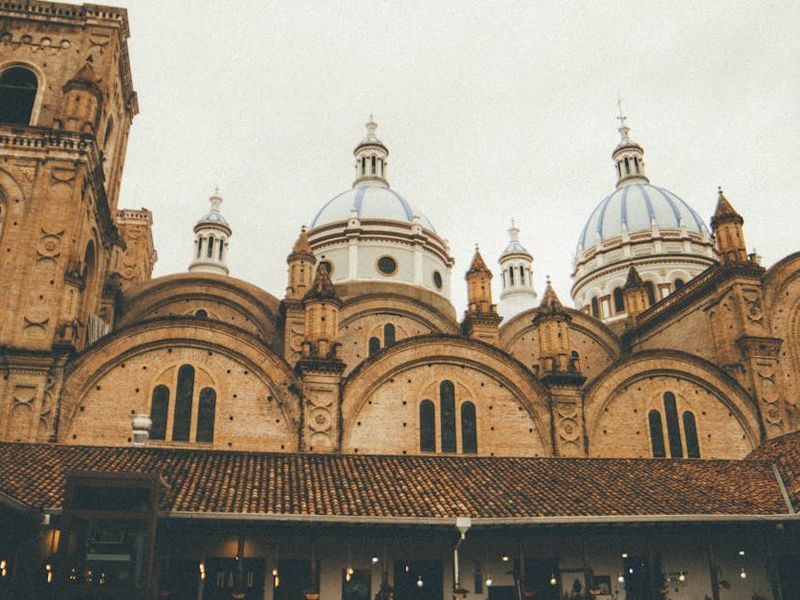
Cuenca’s charm—the colonial plazas, blue-domed cathedral, and cool Andean air—makes it a year-round destination. But when you go affects what you’ll see and do. Weather patterns, local festivals, bird migrations, and road conditions change with the seasons, so choosing the right month can turn a good visit into a great one.
Quick overview: climate and altitude
Cuenca sits at about 2,560 meters (8,400 feet) above sea level in Ecuador’s southern highlands. Temperatures are remarkably stable compared with lowland Ecuador: days are often cool and sunny, evenings can be chilly, and afternoon rain showers are common in the wetter months. Expect daily highs in the mid-teens to low-20s Celsius (mid-50s to low-70s °F) and nights that can dip into single digits Celsius (40s °F).
The city’s weather is strongly influenced by the Andean topography: short, intense bursts of rain can occur, and microclimates mean that a neighborhood on the south side may be dry while outlying parishes are misty.
Two seasons: dry vs. wet (and what they mean)
Broadly speaking you’ll hear locals and tourism guides describe two main seasons: a drier season and a wetter season. The drier months are generally the best for long hikes, clear mountain views, and extended day trips. The wetter months still have lots to offer—lusher landscapes, fewer crowds, and lower accommodation prices—but you should expect more afternoon showers and occasional muddy trails.
- Dry season (best for hiking & photography): Typically late May through September. Days are clearer and trails in Cajas National Park are more accessible.
- Wetter season (best for greenery & lower costs): Often spans October through May, with intermittent heavy showers and dramatic cloudscapes.
Month-by-month suggestions
Here is a practical, month-focused breakdown so you can match your priorities—festivals, hiking, birding, or city life—with the best time to visit.
January – March
These months can be part of the wetter stretch. Expect lush landscapes and occasional downpours, especially in the afternoons. Good for cultural visits, museums, and the city’s indoor attractions. Travel costs can be moderate; Semana Santa (Easter week) often falls in March or April and is a busy travel period for Ecuadorians.
April – May
Transitional months when rainfall may still be significant but the weather begins to trend drier toward May. This is a quieter time for tourism, which means better deals on accommodation. Trails may be muddy early in April but improve by late May.
June – September
The clearest months of the year and the most reliable for hiking Cajas National Park, visiting Turi lookout for panoramic photos, and taking day trips to Chordeleg and Gualaceo. Expect cool nights and sunny days—bring layered clothing. Peak tourist weeks (national holidays and summer vacations) can make July busier.
October – November
Rain returns in earnest in many years, but early October can still be pleasant. November is a lively month culturally: Cuenca celebrates its independence on November 3 with parades and events, making it a fantastic time to experience local traditions if you don’t mind crowds and hotel price spikes.
December
The city is festive with Christmas lights and artisanal markets. Rain can be intermittent, and the city gets busier as Ecuadorians travel for holidays. Booking in advance around the last two weeks of December is advised.
Festivals and cultural highlights by season
Festival timing should factor into your plans. Cuenca’s most notable public celebration is Independence Day on November 3—expect parades, concerts, and local food fairs. Semana Santa (Easter week) is an important religious period with processions and services; dates vary each year but usually fall in March or April. Holiday markets and nativity displays brighten December, while many small neighborhood fiestas happen throughout the year—check local event calendars before arrival.
Best months for outdoor activities and nature
If your priority is hiking Cajas National Park, mountain photography, or clear views from Turi, aim for June through September. Trails are generally drier and visibility is best. For birdwatchers, the dry months make bird spotting easier because birds concentrate around water sources; however, the wet season brings lush vegetation and migratory species that can make for rewarding sightings too. Bring binoculars if birding is on your agenda—hummingbirds and Andean species are abundant in nearby cloud forests and reserves.
Photography and light: timing for the best shots
Cuenca’s best photographic conditions typically coincide with the dry season: crisp mornings, golden light in the plazas, and dramatic blue skies behind the cathedral domes. For moody, lush images—with mist curling around Andean peaks—plan for the rainy season when clouds and saturated colors heighten the drama. Arrive at sunrise to capture the Tomebamba River and the cathedral dome in soft light; Turi viewpoint is ideal for sunset panoramas.
Practical travel tips by season
- Book early for November and December: Independence Day and holiday periods can drive demand for hotels and flights.
- Bring a packable rain jacket: Afternoon showers can happen any month but are more frequent during the wet season.
- Layer up: Mornings can be cold, afternoons mild, evenings chilly—dress in layers to stay comfortable.
- Plan hiking for mornings: Wet afternoons make trails slippery; start early for the clearest daylight.
Getting there and getting around
Cuenca is served by Mariscal Lamar Airport (CUE) with frequent domestic flights from Quito and Guayaquil. Bus routes from both cities are reliable and scenic but can be long (7–10+ hours). Once in Cuenca, the city center is very walkable; taxis are inexpensive and plentiful—use official yellow taxis or rely on ride apps where available. If traveling into rural regions or national parks, verify road conditions, especially during rainy months when some rural roads can be muddy or restricted.
Altitude: what to expect and how to prepare
The elevation in Cuenca can produce mild altitude effects for some visitors—shortness of breath, headaches, or fatigue for the first 24–48 hours. These symptoms are usually mild. To acclimatize faster:
- Take it easy on your first day—avoid strenuous hikes until you feel adjusted.
- Stay hydrated and eat lightly; avoid excessive alcohol in the first 24 hours.
- Over-the-counter remedies and prescription altitude medication (like acetazolamide) are options—consult a healthcare provider if you have a history of altitude sickness.
Packing list by season
Whether you travel during the high season or rainy months, these essentials will keep you comfortable:
- Layered clothing: thin base layers, a warm sweater, and a lightweight down or fleece jacket.
- Waterproof jacket and quick-dry pants for rain showers.
- Sturdy walking shoes with good grip for cobbled streets and park trails.
- Sun protection: high-altitude sun can be intense—bring SPF 30+, sunglasses, and a brimmed hat.
- Reusable water bottle and basic first-aid kit; if you take medications, bring enough for your stay.
Budget and crowds: planning around demand
Cuenca tends to be less crowded than Ecuador’s major coastal beach towns and the Galápagos, but tourist activity still has peaks. Expect the busiest times during national holidays, late July (school vacations), and early November. If you prefer quieter streets and lower prices, consider the shoulder months (April–May or September–October) when weather is often good but crowds are thinner and hotels may offer discounts.
Day-trip recommendations by season
No matter when you visit, Cuenca is an excellent base for day trips. Some top options:
- Cajas National Park: Lakes, páramo landscapes, and walking trails—best during the dry months for clearer trails and views.
- Chordeleg: Famous for silver jewelry and artisanal crafts—great year-round, especially on market days.
- Gualaceo: Textile markets and traditional markets—perfect for shopping and cultural immersion.
- Small highland villages: Scenic drives and community-based tourism activities—take local advice about road conditions if it’s rainy season.
Should you move to Cuenca? Best time for expats
If you’re considering a longer stay or relocation, plan your move for the dry season (June–September). Fewer rain-related delays make it easier to transport belongings, settle into a new home, and explore neighborhoods. Rental turnover is common in late spring and early summer; arriving early in the dry season gives you the best selection of apartments, and the clearer weather makes neighborhood scouting easier.
Safety, health, and local etiquette
Cuenca is renowned as one of Ecuador’s safer cities, but standard travel precautions still apply. Use ATMs at banks during daylight, leave valuables in a safe at your accommodation, and avoid poorly lit streets late at night. Health services are available in the city—bring travel insurance that covers medical evacuation if you plan high-altitude treks or remote adventures.
Choosing the best time for your priorities
Ultimately, pick your dates based on what matters most to you:
- For hiking, birding, and clear vistas: Aim for June–September.
- For festivals, local culture, and lively street life: Plan around November 3 or major religious holidays like Semana Santa.
- For lower costs, greener scenery, and fewer tourists: Try the shoulder months of April–May or September–October.
Final tips before you book
Check festival calendars and flight availability before locking in dates—Cuenca fills up quickly around major events. Always pack a small umbrella or light rain jacket year-round, and allow a buffer day after arrival to acclimatize to the altitude. With clear plans and realistic expectations about weather, you’ll be ready to enjoy Cuenca’s history, food scene, and breathtaking Andean landscapes no matter when you visit.