
Table of Contents
Why Cuenca Is a Great Place for a Relaxing Dental Retreat
Cuenca’s colonial streets, mild mountain climate, and international healthcare options make it one of South America’s favorite destinations for dental tourism. The city offers modern clinics staffed by bilingual teams, labs with digital design tools, and affordability that lets you combine serious dental work with a restorative mini-vacation. Beyond cost savings, Cuenca gives space to recuperate: winding river promenades, quiet plazas, and a slower pace that’s ideal for healing.
Start with a Realistic Timeline
The first step in planning a relaxing dental vacation is to map out the timeline. Procedures range from same-day cleanings and crowns to multi-visit implant cases that stretch over months. Decide whether you want a single short trip (1–2 weeks) for crowns, veneers, root canals, or extractions, or a staged approach with an initial visit for surgery and a return for final restorations.
Speak with clinics about their proposed schedule before booking flights. Many clinics provide remote consultations—send photos, X-rays, and a brief medical history to get a treatment plan and a tentative timeline. That lets you plan leisure activities around recovery days instead of trying to sightsee between procedures.
Choosing a Clinic: What to Look For
Your comfort depends on choosing the right clinic. Don’t pick a practice based on price alone—look for:
- Clear before-and-after photos and patient testimonials from recent visitors.
- Bilingual staff or a translator service so you can discuss pain management and aftercare clearly.
- Digital imaging (CBCT, intraoral scanners) and on-site or closely affiliated labs to reduce surprises.
- Transparent pricing that includes materials, lab fees, and revisions or warranties.
- Clean, modern facilities with visible infection-control protocols.
Request to speak to a coordinator who handles international patients. They can advise on local logistics, book transfers, and recommend a gentle itinerary tailored to your procedure and recovery needs.
Travel Logistics: Getting There and Getting Around
Cuenca is served by Mariscal Lamar Airport (CUE) with connections from Quito and Guayaquil, and there are bus routes from both cities if you prefer land travel. Many international patients fly into Quito or Guayaquil and take a one-hour domestic flight or a comfortable 3.5–4.5 hour bus to Cuenca.
Once in the city, transportation is straightforward: reliable taxis and private transfers are inexpensive and hotels can arrange pick-ups. Ride-hailing apps may be available depending on current local services, but for safety and convenience many patients prefer pre-arranged transfers from the clinic or hotel.
Where to Stay: Neighborhoods for Calm and Convenience
Choosing the right neighborhood matters when recovery is your priority. Consider:
- Historic Center (El Centro): Near Parque Calderón and clinics—best for short walks to cafes and pharmacies but can be busy during daytime.
- San Sebastián & El Barranco: A bit quieter, with leafy streets and easy access to local restaurants and river walks—great if you want tranquility with central access.
- Turi: If you prefer a hilltop view and more secluded lodgings, Turi offers calm and scenic outlooks, though you’ll be further from some clinics.
Look for accommodations that offer comfortable seating, accessible bathrooms, and the option to request late arrival meals or grocery delivery for soft-food needs after procedures.
Designing a Recovery-Friendly Itinerary
A relaxing dental vacation balances treatment days with gentle activities that promote healing. Here’s a sample flow for a two-week stay:
- Days 1–2: Arrive and rest; acclimatize to the city’s elevation (about 2,500m). Hydrate, walk slowly along the Tomebamba River, and avoid strenuous activities.
- Day 3: Initial clinic appointment—consultation, imaging, and treatment planning.
- Days 4–5: Procedure days (cleaning, extractions, crowns, or initial implant placement). Take it easy, follow the clinic’s aftercare instructions, and enjoy light riverbank walks.
- Days 6–10: Gentle cultural outings—museums (Museo Pumapungo), artisan markets (Plaza de la Merced), low-impact activities like a craft workshop or a cooking class focusing on soup and soft foods.
- Days 11–14: Final check-up and any adjustments; relax at a spa or with a short day trip to a nearby viewpoint like Turi.
Adjust this plan according to your procedure. If you’re having implants that require months of healing, plan a short stay for the surgery and come back for the restorative phase once osseointegration is confirmed.
Useful Tips for Procedure Day and Immediate Aftercare
On procedure day, keep things simple. Eat a light meal unless instructed otherwise, arrive early, and bring a companion if you want support for the return trip. Most clinics will provide written post-op instructions; ask for them in both English and Spanish if needed.
Immediate aftercare tips:
- Arrange transportation back to your hotel—no long walks or public buses right after sedation or IV anesthesia.
- Pack ice packs or request them at the clinic to reduce swelling.
- Follow medication schedules precisely—if pain meds or antibiotics are prescribed, start them on time and confirm pharmacy availability nearby.
- Maintain a soft-food diet (soup, mashed potatoes, yogurt, smoothies) and avoid hot or spicy foods for the first 48–72 hours.
Soft, Local Foods That Aid Recovery
Cuenca’s cuisine can be very recovery-friendly. Try:
- Locro de papa — a creamy potato and cheese soup popular in the highlands.
- Fruit smoothies and batidos from local juice stands — rich in vitamins and easy to eat.
- Pureed vegetable soups, ollas, and gentle broths available at mercados and restaurants.
- Soft cheeses, scrambled eggs, and avocados — common in breakfasts across the city.
Avoid chewy meats, crunchy breads, and hot beverages immediately after dental work.
Practical Health and Safety Considerations
Altitude can influence healing and anesthesia response. Cuenca sits at around 2,500–2,600 meters (8,200–8,500 feet). If you’re coming from sea level, spend 24–48 hours resting before undergoing major procedures to let your body adjust to the altitude. Discuss any heart, lung, or clotting conditions with the dentist and your physician before traveling.
Bring a list of your medications, allergies, and emergency contacts. Check whether your travel insurance covers dental tourism or consider short-term medical travel insurance that includes postoperative complications.
Budgeting: What to Expect Financially
One of the biggest draws of Cuenca is cost savings. While prices vary by clinic and materials, many international patients find procedures cost 40–70% less than in the U.S., Canada, or Western Europe. Crowns, veneers, root canals, and extractions are commonly more affordable, while implants and high-end cosmetic work may still require significant investment but at a reduced rate.
Ask clinics for a fully itemized quote that lists materials, lab fees, and potential follow-up appointments. Confirm accepted payment methods—many clinics accept major credit cards, bank transfers, and cash. Keep records and receipts for any warranty agreements or future issues.
Follow-Up and Continuing Care
Make a clear follow-up plan. Some clinics offer remote check-ins via WhatsApp or email—use these services to report any concerns once you return home. If your treatment requires final crowns or adjustments, coordinate the timeline so you can return when necessary or schedule similar work with a dentist closer to home who can honor the clinic’s warranty.
Keep all documentation: treatment plans, x-rays, models, and digital scans. These will be helpful for your case history and any possible follow-up treatments.
Gentle Activities to Help You Unwind
Recovery doesn’t mean boredom. Cuenca has plenty of low-impact ways to relax:
- Strolls along the Tomebamba River and the flower market for peaceful scenery.
- Visit the Cathedral area early in the morning for a quiet coffee and pastry.
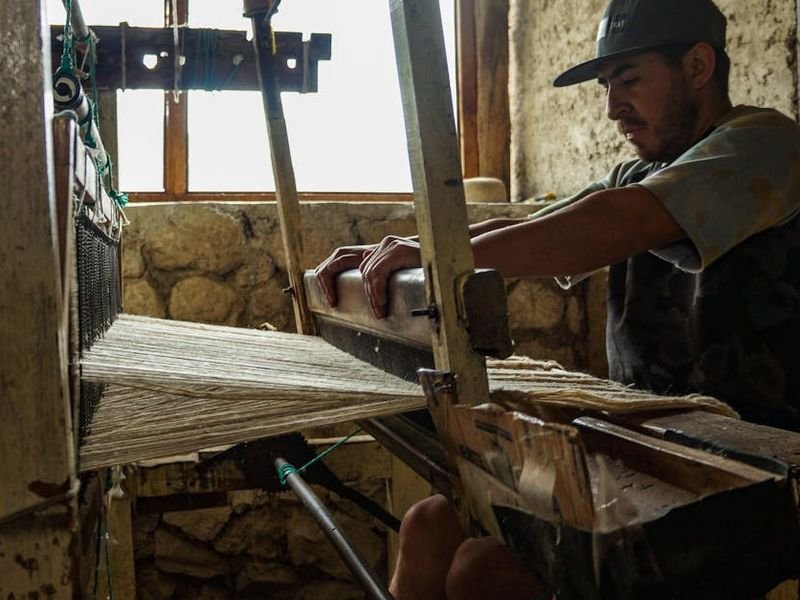
- Small-group workshops—panama hat shopping, pottery, or weaving classes operate at a gentle pace and offer take-home souvenirs.
- Short, guided museum visits (Pumapungo or the Museo de las Conceptas) to feed curiosity without taxing energy levels.
Packing Checklist for a Comfortable Dental Vacation
- Copies of dental and medical records, and digital photos of your teeth.
- Comfortable clothes, a travel pillow, and a small ice pack or gel pack.
- Over-the-counter pain relievers you normally tolerate (check with your dentist), and any prescription meds.
- Soft-food snacks: protein powders, instant soups, applesauce, and teas.
- Phone charger, portable battery, and contact info for your clinic and hotel.
Final Checklist Before Booking
Before you click “book,” walk through this checklist:
- Confirm the clinic’s credentials, accreditations, and patient reviews.
- Get a detailed, written treatment plan with clear timelines and price breakdowns.
- Discuss anesthesia and pain management options and what to expect on the day of the procedure.
- Plan accommodations near your clinic and pre-arrange return transport for procedure days.
- Verify pharmacy availability and emergency medical services in the area.
Conclusion: Combining Care with Calm
Cuenca offers a unique opportunity to pair quality dental care with restorative travel. With thoughtful planning—picking the right clinic, pacing your schedule, and prioritizing recovery-friendly activities—you can leave not just with better dental health, but also with a refreshed mind. Take advantage of Cuenca’s tranquil spots, fresh mountain air, and friendly services to make your dental vacation as relaxing and rewarding as possible.