
Table of Contents
Welcome to Cuenca: A Quick Orientation
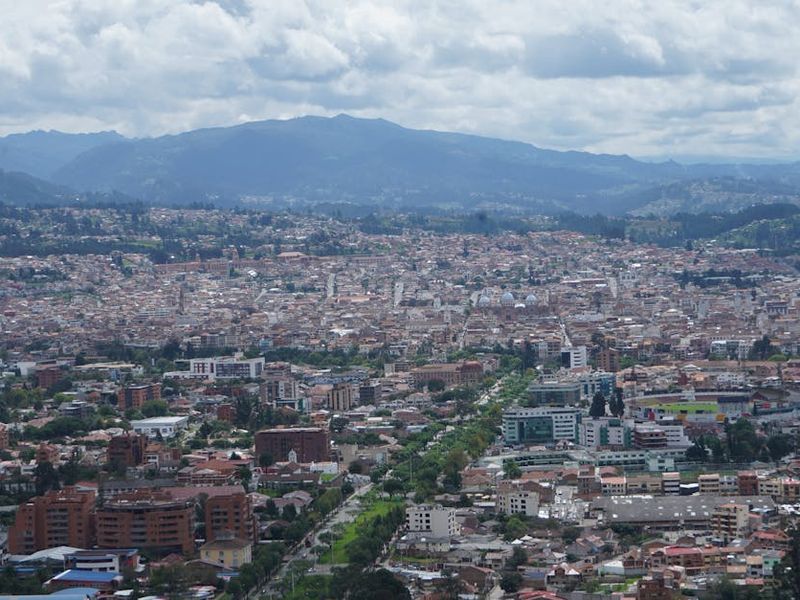
Cuenca, nestled in Ecuador’s southern highlands, charms visitors with its colonial architecture, cool mountain climate, and lively arts scene. For many first-time travelers it’s love at first sight — winding cobblestone streets, turquoise-domed cathedrals, and rivers lined with cafés. This guide gives practical, on-the-ground advice so your first visit feels smooth, safe, and memorable.
Quick Facts Every Visitor Should Know
- Altitude: Around 2,560 meters (about 8,400 feet). Expect cooler temperatures and lower oxygen levels than at sea level.
- Currency: United States dollar (USD).
- Language: Spanish is the primary language. You’ll hear Kichwa and other indigenous languages in nearby areas.
- Climate: Spring-like year-round with a distinct rainy season (usually heavier January–May). Pack layers and a rain jacket.
- Emergency number: 911 for police, fire, and medical emergencies.
Getting There and Getting Settled
Mariscal La Mar (Cuenca’s airport) is a short drive from the city center. There are direct flights from Quito, Guayaquil, and some regional hubs. If arriving by overnight bus from Quito or Guayaquil, major bus companies are comfortable and buses often drop you near the Centro Histórico.
At the airport you can take an authorized taxi or arrange a hotel transfer. Always use an official taxi counter or an app-based ride when possible and keep small bills for tipping drivers or paying porters.
Documents and Entry
Ecuador typically allows many nationalities visa-free stays for tourism, but check current rules before you travel. Always carry a copy of your passport and have your accommodation address handy. If you plan to travel to remote indigenous communities or cross to the Amazon, some permits or guided tours are recommended.
Where to Stay: Neighborhoods Explained
Cuenca’s vibe varies considerably by neighborhood. Choose based on what you want: historic charm, quiet local life, or easy access to parks and transit.
Centro Histórico
This is the postcard Cuenca: colonial plazas, the blue-domed Catedral Nueva, museums, restaurants, and artisan shops. Stay here if you want to walk to most sights and enjoy lively evenings. Notes: streets can be cobblestoned and noisy on weekends.
El Vergel & El Ejido
These neighborhoods are a short walk north of the center with more residential charm, local markets, and leafy parks. They’re quieter at night and often cheaper than a historic center hotel.
Turi and Yanuncay
Turi sits on a hill with panoramic views — great for sunset watchers and folks wanting easy access to craft markets and the Mirador de Turi. Yanuncay, along the river, has new developments and is more peaceful.
Getting Around Cuenca
Cuenca is extremely walkable — the best way to savor the historic center. For longer trips, you have several options:
- Tram (Tranvía): The modern tram line connects major parts of the city and is clean and efficient for crossing longer distances quickly.
- Local buses: Affordable and frequent; routes fan out from the center to neighborhoods. Keep an eye on your belongings in crowded buses.
- Taxis and ride apps: Yellow taxis are plentiful — insist on using the meter or agree on a fare before you go. Ride-hailing apps and drivers using apps like InDriver are also available.
- Walking: The best way to explore historic districts and riverside promenades. Bring good walking shoes for cobblestones and hills.
Packing Tips for the Cuenca Climate
Cuenca’s weather changes quickly. Plan for layers and versatility:
- Light sweater and a warm jacket for evenings.
- Rain jacket or compact umbrella — short but sometimes heavy showers are common.
- Sturdy walking shoes for cobblestones and light hikes.
- High-elevation sun protection: sunscreen, sunglasses, and a hat.
- Plug adapter (type A/B plugs; 120V electrical system), and a portable charger for day trips.
Health, Altitude, and Safety
At roughly 2,560 meters, altitude can affect newcomers. Symptoms include headache, shortness of breath, fatigue, and mild nausea. Simple steps help:
- Arrive gently: avoid heavy exercise the first 24–48 hours.
- Hydrate and eat light, carbohydrate-rich meals.
- Many locals recommend coca tea (mate de coca) for mild relief; it’s widely available in cafés and markets.
- Over-the-counter remedies like acetazolamide (for severe cases) should only be used after consulting a health professional.
Cuenca is considered safer than many cities in the region, but common-sense precautions apply: keep valuables out of sight, be mindful of wallets in crowded areas, and avoid poorly lit, empty streets late at night. Keep emergency numbers in your phone and a small amount of cash in different places.
Money, Banking, and Tipping
Because Ecuador uses the US dollar, you won’t need currency exchange for the basics. ATMs are plentiful; Banco Pichincha and Banco del Pacífico are common. ATMs may have daily withdrawal limits and fees, so plan accordingly. Small bills are useful for markets and taxis.
Tipping is appreciated but not mandatory. In restaurants, leaving 10% is typical when service is good; some places include a service charge on the bill, so check before adding more. For guides, drivers, and hotel staff, small tips for good service are customary.
Food to Try and Where to Eat
Cuenca’s food scene blends traditional highland dishes with international options. Local specialties to sample:
- Mote con chicharrón: Hominy corn with crispy pork — a beloved breakfast dish.
- Hornado: Slow-roasted pork served with corn and potatoes.
- Ceviche: Ecuadorian ceviche often features shrimp or fish with a bright, citrusy sauce.
- Cuy: Guinea pig is served in many traditional restaurants for special meals.
For coffee, Cuenca offers excellent local roasteries — try a pour-over or espresso at a neighborhood café. If you prefer vegetarian or international cuisine, the historic center has many modern restaurants and bakeries. Try the Mercado (local market) breakfasts for real local flavor and wallet-friendly prices.
Museums, Parks, and Sights Not to Miss
There’s no shortage of things to see within and near the city:
- Parque Calderón: The heart of the historic center, surrounded by iconic buildings and cafés.
- Catedral Nueva: Admire the blue domes and climb for city views.
- Museo Pumapungo: Archaeological exhibits and beautiful gardens that highlight local cultures.
- Riverside walks: Stroll the Tomebamba and Yanuncay riverbanks, beautifully landscaped and perfect for people-watching.
- Mirador de Turi: A short drive or uphill walk gives panoramic perspectives, often with artisan stalls nearby.
Markets, Shopping, and Local Crafts
Cuenca is a great place to shop for authentic Ecuadorian crafts. Look for:
- Traditional toquilla (often called “Panama”) hats — many shops around the center offer handwoven varieties with certificates of authenticity.
- Silver and filigree jewelry — Cuenca has fine silversmiths, and nearby Chordeleg is especially famous for jewelry.
- Alpaca and llama textiles — scarves, ponchos, and sweaters in local designs make excellent gifts.
- Ceramics and woodwork sold by artisans in craft markets and galleries.
Haggle gently at outdoor markets but expect fixed prices in boutique shops. If you’re buying a high-value item like a hat or jewelry, ask about cleaning and care to maintain the piece.
Day Trips and Excursions
One of Cuenca’s strengths is its access to varied landscapes and historic sites:
- Cajas National Park: About an hour from the city, this highland park has glacial lakes, moorland, and excellent hiking. Dress warmly — weather is unpredictable.
- Ingapirca: The country’s most significant Inca ruins, located in Cañar province — a half- to full-day trip depending on your pace.
- Gualaceo & Chordeleg: Small towns famous for textiles, silver jewelry, and traditional crafts — ideal for shopping and cultural immersion.
- Hot springs & rural haciendas: Several nearby options offer relaxing downtime after city sightseeing.
Cultural Etiquette and Practical Language Tips
Cuencanos are known for being polite and reserved. Simple gestures go a long way:
- Greet shopkeepers and hosts with a friendly “buenos días” or “buenas tardes.”
- Handshake or a single cheek kiss (right cheek) is common when meeting someone in a social setting.
- Use “usted” in formal conversations until invited to use “tú.”
- Learn a few phrases in Spanish — people appreciate the effort even if they speak some English.
Practical Day-to-Day Advice
Small habits make travel easier:
- Carry a photocopy of your passport and keep the original in your accommodation safe.
- SIM cards from Claro and Movistar work well — you can buy them at the airport or in the city; a passport is usually required for registration.
- Many shops and restaurants accept cards, but small vendors prefer cash. Always ask about a service charge before tipping in cash on top of a bill.
- Pharmacies are plentiful and many staff members can help with common ailments; bring prescriptions for any specific medications.
Sample 3-Day Itinerary for First-Time Visitors
Day 1: Explore Centro Histórico. Start at Parque Calderón, visit the Catedral Nueva and climb for a view, stroll the riverwalk along Tomebamba, and sample local dishes at an afternoon market. End with sunset at Mirador de Turi.
Day 2: Pick a museum morning (Museo Pumapungo or Museo de las Conceptas), wander artisan shops on Calle Larga, and in the afternoon visit a local market for toquilla hat shopping. Evening: try a traditional restaurant for hornado or cuy.
Day 3: Choose a day trip — Cajas National Park for outdoor scenery, Ingapirca for archaeology, or Gualaceo and Chordeleg for crafts and shopping. Return to Cuenca for a relaxed riverside dinner.
Final Tips for a Smooth Visit
Take your time: part of Cuenca’s appeal is its relaxed pace. Plan extra minutes for walking between sites, savor the coffee culture, and allow flexibility for weather changes. If you’re staying longer, explore longer-term logistics like laundry, local health insurance options, and neighborhood integration through language classes or volunteer opportunities.
With layers on your back, a phrasebook in your pocket, and a curiosity for local life, your first trip to Cuenca can be simultaneously restful and rich with discovery. Enjoy the architecture, the markets, and the warm, gentle rhythm of life in one of Ecuador’s most beloved cities.