
Table of Contents
Welcome to Cuenca: Why This City Should Be on Your Ecuador Itinerary
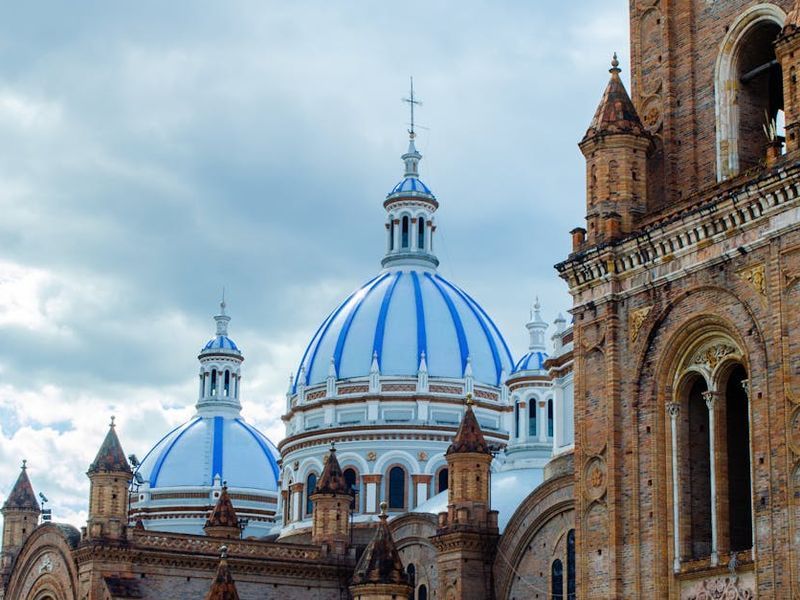
Cuenca, Ecuador’s elegant highland gem, is a favorite for travelers who want history, walkable streets, and a gentler pace than Quito or Guayaquil. Officially a UNESCO World Heritage site, Cuenca pairs colonial architecture and blue-domed cathedrals with lively markets, nearby Andean landscapes, and a friendly local culture that makes it a top pick for first-time visitors.
Quick Practical Facts to Know Before You Arrive
Before diving into neighborhoods and day trips, here are a few practical facts that will make your arrival smoother:
- Altitude: Cuenca sits at about 2,560 meters (≈8,400 feet). Expect mild altitude effects; plan a relaxed first day.
- Airport: Mariscal Lamar Airport (CUE) is small and a short taxi ride from the city center. International flights generally connect via Quito or Guayaquil.
- Currency: The official currency is the US dollar. ATMs are common but carry some cash for markets and taxis.
- Language: Spanish is the dominant language; basic Spanish phrases are useful, though many service workers speak some English in tourist areas.
- Weather: Cuenca has a spring-like climate year-round. Bring layers and a waterproof jacket—rain can appear suddenly.
First 24 Hours: How to Acclimate and Begin Exploring
Altitude can be a surprise even if you feel fine on arrival. Take it easy: hydrate, sleep well, and avoid heavy physical exertion the first day. If you feel lightheaded or short of breath, rest and drink fluids. Over-the-counter remedies like acetaminophen and ginger (for nausea) are handy.
Pick a centrally located hotel or guesthouse near Parque Calderón (the city’s main square) to be able to walk to major attractions—the cathedral, museums, markets, and riverside promenades—without relying on transport right away.
Getting Around Cuenca: Transport Tips
Cuenca is primarily a walking city in the historic center, but here are the transport options you’ll use:
- On foot: The Centro Histórico is compact and best explored on foot—cobblestone streets, plazas, and small cafés encourage strolling.
- Taxis: Taxis are plentiful and inexpensive. Use registered taxis, ask drivers to use the meter or agree a fare before you go. For airport rides expect a slightly higher, fixed rate.
- Buses: City buses are very cheap and useful for longer trips within the city. They can be crowded and don’t always have English signage.
- Rental car: Rent a car only if you plan multiple day trips outside the city. Streets in the historic center are narrow and parking limited.
Where to Stay: Neighborhoods and Accommodation Advice
For a first-time visit, choose a hotel in or very near the historic center. Staying close to Parque Calderón means you can return to your room for a midday rest, which is especially useful given the high elevation. If you prefer quieter, more residential vibes, look slightly east of the center alongside the Tomebamba River for leafy streets and calm cafés.
Booking tip: Look for properties advertising airport pickup, and read recent reviews about noise levels—shops and late-night cafés can make central streets lively after dark.
Must-See Sights in Cuenca
Cuenca’s charm is best discovered through a mix of iconic sights and small discoveries. Don’t miss:
- Catedral Nueva (New Cathedral): The cathedral’s striking blue domes dominate the skyline. Walk around the plaza, go inside, and if you can, go up for panoramic views.
- Parque Calderón: The heart of the city where locals gather—ideal for people-watching, photo ops, and orientation.
- Museo Pumapungo: A museum and archaeological site with exhibits on local cultures and Incan-era ruins.
- Tomebamba River Walks: Riverside promenades are perfect for a late-afternoon stroll and offer a quieter glimpse of daily life.
- Mirador de Turi: A short drive uphill gives you sweeping views of Cuenca—great at sunset.
Markets, Crafts, and Day-Trip Hubs
Cuenca is a gateway to several artisan towns and natural parks:
- Chordeleg: About a 40–60 minute drive, this town is famous for silver filigree jewelry and goldsmiths. Bring cash.
- Gualaceo: A colorful market town known for textiles and ceramics—an authentic place to shop for gifts.
- Parque Nacional El Cajas: A high-altitude park with lakes and páramo ecosystems. It’s about 30–60 minutes by car from Cuenca and offers great hiking—dress warm.
- Ingapirca: The largest known Incan ruins in Ecuador, roughly 1.5–2 hours from Cuenca, perfect for history lovers.
Food and Dining: What to Try in Cuenca
Ecuadorian highland cuisine is hearty and flavorful. A few local dishes to seek out:
- Locro de papa: A creamy potato and cheese soup, comforting at high altitudes.
- Llapingachos: Potato patties often served with pork, salad, and pickled onions.
- Cuy: Guinea pig is a traditional Andean dish—try it if you’re adventurous.
- Hornado and fritada: Roast pork dishes served in traditional markets.
Markets and small neighborhood restaurants are brilliant for authentic, lower-cost meals. For a nicer evening out, Cuenca has several contemporary restaurants serving modern Ecuadorian cuisine and international fare.
Money, Shopping, and Bargaining
Ecuador uses the US dollar, which simplifies budgeting. Here’s how to handle money in Cuenca:
- ATMs are widely available, but carry some cash for markets or taxis that don’t take cards.
- Credit cards are accepted in many restaurants and hotels, but always ask first about extra fees.
- Bargaining: Feel free to negotiate in markets and craft stalls—start about 10–20% below the asking price and keep it friendly.
- Souvenirs to look for: handmade textiles, silver jewelry (from Chordeleg), and Ecuadorian hats (often called Panama hats but made in Ecuador).
Safety and Common Sense Tips
Cuenca is generally considered one of Ecuador’s safer cities, but normal travel vigilance applies:
- Keep valuables secure and out of sight—pickpocketing happens in crowded spaces.
- Use registered taxis, especially at night, or ask your hotel to order one for you.
- Avoid poorly lit or deserted streets after dark; stick to well-traveled areas.
- Photocopy your passport and store backups electronically and in a separate place.
Emergency services in Ecuador can be reached at 911. Ensure you have travel insurance that covers medical evacuation if you plan high-altitude hikes in remote areas like El Cajas.
Health, Water, and Altitude Advice
Altitude is the main health concern for new arrivals. Symptoms of mild altitude sickness include headache, mild nausea, and shortness of breath. To reduce risk:
- Take it slow the first 24–48 hours—avoid strenuous hikes right away.
- Stay hydrated and avoid heavy alcohol consumption initially.
- Consider eating light, carbohydrate-rich meals to help acclimatize.
- Talk to your doctor about preventive medication (e.g., acetazolamide) if you are prone to severe altitude issues.
Regarding water: tap water in Cuenca is treated and many locals drink it, but if you have a sensitive stomach, stick to bottled or filtered water, especially when traveling to more rural areas.
Cultural Etiquette and Useful Spanish Phrases
Cuencanos are warm and polite; a few cultural pointers will help you make a good impression:
- Greet people with a friendly “buenos días” or “buenas tardes.” A light kiss on the cheek or handshake is common when meeting someone socially.
- Dress neatly—Cuencanos tend to dress smart-casual in city centers and restaurants.
- Learn a few Spanish phrases: “Por favor” (please), “Gracias” (thank you), “¿Cuánto cuesta?” (How much does it cost?), and “¿Dónde está el baño?” (Where is the bathroom?).
Festivals and Best Times to Visit
Cuenca has a year-round calendar of events, from religious holidays to artisan fairs. The weather tends to be drier and sunnier between June and September—ideal for hiking and outdoor photography. If you prefer fewer tourists and lower prices, consider visiting during the shoulder months, but pack for occasional rain.
Technology, Connectivity, and Staying Connected
Wi-Fi is widely available in hotels, cafés, and restaurants. If you need consistent mobile data, purchase a local SIM card from providers like Claro or Movistar at the airport or in the city, or arrange an eSIM beforehand. Offline maps and a basic Spanish phrasebook app can be lifesavers when exploring the winding historic streets.
Responsible Travel: Respecting Nature and Local Communities
Cuenca’s charm depends on its preserved architecture and natural surroundings. Small actions make a difference:
- Use refillable water bottles and minimize plastic waste.
- Buy authentic crafts directly from artisans when possible, rather than mass-produced tourist items.
- Stick to marked trails in national parks and respect local land use rules.
Sample 3-Day Itinerary for First-Time Visitors
To help you plan, here’s a compact itinerary that balances culture, food, and nature:
- Day 1: Arrive, walk around Parque Calderón and the New Cathedral, stroll along the Tomebamba riverbanks and enjoy a relaxed dinner at a local restaurant.
- Day 2: Visit Museo Pumapungo, explore artisan markets for jewelry and textiles, climb to Mirador de Turi for sunset views.
- Day 3: Take a day trip to El Cajas or to Ingapirca, depending on whether you prefer hiking or archaeology.
Final Tips to Make Your Trip Easier
Pack comfortable walking shoes with good traction for cobblestones, sunglasses and sunblock (UV is strong at altitude), and a small daypack for water and layers. Make photocopies of important documents and keep emergency numbers handy. Above all, slow down and enjoy Cuenca’s relaxed rhythm—its beauty is best appreciated at walking pace, one plaza at a time.
With these tips in hand, you’ll be ready to navigate Cuenca like a savvy traveler—comfortable, curious, and respectful of a city that balances centuries of history with vibrant contemporary life.