
Table of Contents
Why choosing the right place to stay in Cuenca matters
Cuenca, Ecuador’s elegant southern city and a UNESCO World Heritage site, rewards visitors who pick their lodging with intention. The city’s compact historic center, scenic riverbanks, colonial architecture, and thriving café culture mean your choice of hotel or hostel will shape how you experience museums, markets, nightlife, and even daily rhythms like afternoon tea and evening paseos.
From boutique colonial mansions to modern mid-range hotels and lively backpacker hostels, Cuenca offers an accommodation for every budget. This guide breaks down where to stay by price and travel style, gives neighborhood context, and shares practical tips so you book wisely and enjoy more of what makes Cuenca special.
Quick facts every traveler should know
- Altitude: Cuenca sits around 2,560 meters (8,400 ft). Expect cool nights and take it easy your first day if you’re not acclimatized.
- Currency: U.S. dollar (USD).
- Airport: Mariscal Lamar Airport (CUE) — small, with domestic flights; buses to Quito/Guayaquil are longer but economical.
- Best months to visit: March–May and September–November for fewer crowds and mild weather; avoid peak holidays if you want lower prices.
- Language: Spanish is dominant; a number of hotel staff and tour operators speak some English.
Understanding Cuenca’s neighborhoods
Where you stay in Cuenca will largely determine what’s at your doorstep. Here are the main zones to consider:
Centro Histórico (Old Town)
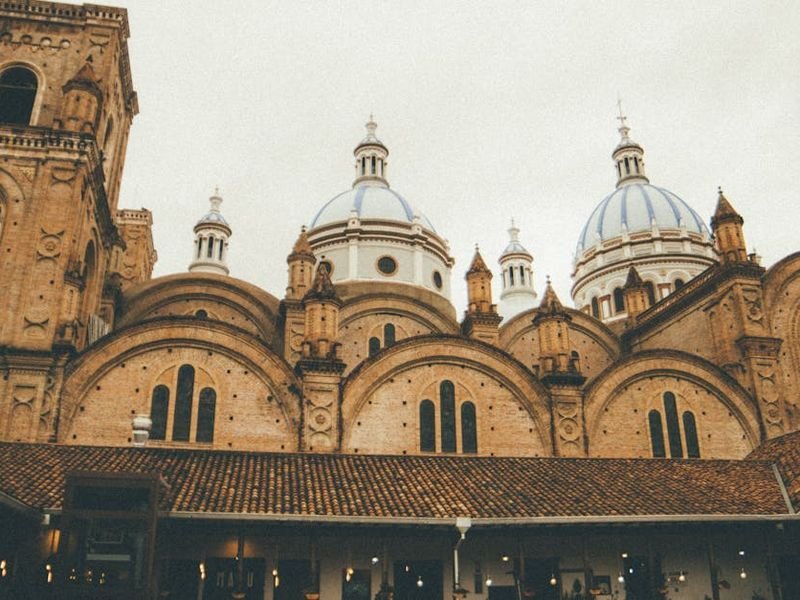
The heart of Cuenca: plaza life around Parque Calderón, the blue-domed Cathedral, cobblestone streets and museums. Ideal for first-time visitors who want to walk everywhere. Expect higher nightly rates depending on property charm.
Tomebamba Riverfront
Stretching along the river near the central bridge, this area has leafy promenades, cafes, and great photo ops. Many boutique hotels and cozy B&Bs are located here — quiet at night but close to the action.
Turi and Pumapungo area
Turi is more residential and higher up with panoramic views; Pumapungo has archaeological sites and the large ethnographic museum. Good for families and travelers who want a slightly calmer base.
San Sebastián and El Vergel
These neighborhoods offer a more local vibe with fewer tourists, cheaper lodging, and proximity to markets and public transport. Great for longer stays or budget travelers comfortable with walking or short cab rides into the center.
Luxury & boutique stays: splurges that feel like a local retreat
Cuenca’s luxury options tend to be smaller, intimate hotels focused on design, personalized service, and Spanish colonial charm. Expect restored mansions, curated art, and gourmet breakfasts.
- What to expect: Spacious rooms with historic details, concierge services, in-house dining, central locations within walking distance of museums and plazas.
- Price range: Typically $100–$250+ per night depending on season and amenities.
- Why book one: Romantic escapes, anniversaries, or travelers wanting concierge help for tours, dining reservations, and private transfers.
Tip: Look for boutique hotels that advertise quiet patios or courtyards—these offer a private oasis after a day exploring the city’s busy streets.
Mid-range hotels: comfort, convenience, and good value
This category is the sweet spot for many visitors: reliable amenities, solid breakfasts, helpful staff, and excellent locations without the premium price tag of the top boutique properties.
- What to expect: Clean, comfortable rooms, on-site dining or breakfast service, good Wi-Fi, and often a small gym or business center.
- Price range: $45–$100 per night.
- Why book one: Families, winter-season visitors, and business travelers who want a dependable base with easy access to sights and transport.
Pro tip: If you plan to rent a car, confirm parking availability. Many mid-range hotels offer secure parking for a daily fee.
Budget hotels & hostels: smart choices for low-cost travel
Backpackers and budget travelers will find a lively hostel scene and plenty of affordable guesthouses. Properties range from social hostels with shared dorms and rooftop bars to quiet pension-style guesthouses offering private rooms.
- What to expect: Dorm beds from $8–$20; private rooms from $20–$40. Shared kitchens, common areas, and helpful staff who often organize free or low-cost walking tours.
- Why book one: Meet other travelers, save on lodging to spend more on tours and food, and get local tips from on-site staff.
Safety note: Always use lockers for valuables in dorms and verify hostel reviews for cleanliness and staff responsiveness before booking.
Family-friendly and long-stay options
Traveling with kids or staying for several weeks? Look for apartments, guesthouses, or hotels advertising family rooms, kitchen facilities, and laundry services. Properties near parks or quieter residential streets reduce noise and give children safe spaces to play.
When booking, ask about cribs, extra beds, and the proximity of medical clinics. Cuenca has several reputable private clinics in the center if you need care.
Specialty stays: romantic, historic, and offbeat options
If you’re after a unique lodging experience, prioritize properties in restored colonial buildings or haciendas near the city outskirts. These often come with period architecture, gardens, and on-site small museums or art collections.
Another option for nature lovers is staying just outside Cuenca in cloud-forest lodges or farm stays (fincas) that offer birdwatching, hiking, and an opportunity to experience rural Ecuadorian life—still within an hour of the city.
How to pick the best hotel or hostel for your trip
Here’s a checklist to match properties to your travel style:
- Location: Do you want to be steps from Parque Calderón, or prefer a quieter riverside walk?
- Comfort level: Are shared bathrooms acceptable, or do you need private en-suite amenities?
- Budget: Consider total nightly cost including taxes, breakfast, and parking fees.
- Facilities: Need laundry, an elevator, or breakfast included? Factor these in.
- Accessibility: If stairs and steep streets are a problem, make sure the property is accessible by car or elevator.
When to book and seasonal pricing tips
Cuenca sees peaks during national holidays (Ecuador’s Independence celebrations in early November), Semana Santa (Holy Week), and around end-of-year holidays. During these times prices can jump and the best properties sell out early.
- Book at least 4–6 weeks in advance for mid-range and boutique hotels during peak times; hostels often require reservations too, especially for private rooms.
- Traveling in the shoulder seasons (March–May, Sept–Nov) can yield pleasant weather and lower rates.
- Look for flexible cancellation policies; weather or flight issues at high altitude can lead to last-minute changes.
Practical arrival tips and transport logistics
If you fly into Mariscal Lamar Airport, arrange an airport transfer with your hotel—taxis are available but formal pickups avoid confusion. The airport is small and close to the city, but flights can be sensitive to weather.
For intercity travel, Cuenca’s terminal runs frequent buses to Quito and Guayaquil. If your hotel offers luggage storage, many will hold bags for passengers taking overnight buses or multi-day treks.
Safety, health, and comfort in your lodging
Cuenca is considered one of Ecuador’s safer cities for tourists, but petty theft can occur. Choose accommodations with good reviews, secure locks, and on-site staff. Keep copies of travel documents in a separate location and use hotel safes when available.
Because nights can be chilly, ask about heating or extra blankets. Power outlets in Ecuador use 110V (North American-style) plugs, so U.S. travelers won’t usually need adapters—international visitors should check their device compatibility.
Three sample itineraries based on your lodging choice
For boutique hotel guests (central, relaxed pace)
Day 1: Walk Parque Calderón, visit the cathedral and museum, enjoy coffee at a riverside café. Day 2: Pumapungo Museum + archaeological site, and evening dining at a gourmet restaurant. Day 3: Day trip to Cajas National Park for a guided hike.
For mid-range travelers (active, balanced schedule)
Day 1: Explore the Old Town and artisan markets, take a guided walking tour. Day 2: Visit the Museo de las Conceptas and the organic market, afternoon at El Parque de la Madre. Day 3: Hop a local bus to Turi viewpoint and nearby craft shops.
For hostel guests (social, budget-minded)
Day 1: Join the hostel’s free walking tour, meet other travelers at a rooftop barbecue. Day 2: Book a budget-friendly day trip to nearby hot springs or the Ingapirca ruins. Day 3: Relax at a café and visit local markets to shop on a shoestring.
Final tips for a stress-free stay
- Confirm check-in times and late-arrival policies in advance—some smaller properties close reception early.
- Read recent reviews focusing on cleanliness, staff helpfulness, and Wi-Fi reliability.
- If you plan many day trips, pick a centrally located hotel to save time getting to bus terminals or tour meeting points.
- Use cash for small markets and taxis; many places accept cards but small vendors may not.
Whether you choose a polished boutique hotel with a courtyard, a comfy mid-range property near the river, or a sociable hostel where new friends are made every night, Cuenca offers lodging that complements the city’s charm. Take a few minutes to match your priorities to a neighborhood and property type, and you’ll find a home base that makes exploring Cuenca effortless and enjoyable.