
Table of Contents
Why Explore Ecuador’s Southern Highlands?
The southern highlands of Ecuador blend colonial charm, cloud-forest biodiversity, and a relaxed, slow-paced lifestyle that draws both adventurous travelers and expats. Cuenca offers a UNESCO-listed city center with museums and markets; Loja pulses with music and gateways to lush reserves; Vilcabamba is a valley famed for relaxation and outdoor life. Together they make an accessible, richly varied route through mountains, rivers and culturally vibrant towns.
Quick Overview: Distances, Altitudes, and Best Time to Visit
Plan around distances and elevation changes to keep your trip comfortable. Cuenca sits at roughly 2,550 meters (8,370 ft), Loja around 2,060 meters (6,760 ft), and Vilcabamba down near 1,525 meters (5,000 ft). These changes affect climate—Cuenca can be crisp in the morning, Vilcabamba noticeably warmer.
- Typical travel times: Cuenca ⇄ Loja by interprovincial bus: 4–6 hours, depending on the route. Loja ⇄ Vilcabamba: 2–3 hours by bus or private taxi.
- Best time: Dry season (June–September) makes hiking easier, but the highlands have microclimates—expect some showers year-round.
How to Get There and Move Between Towns
International flights arrive in Quito or Guayaquil; domestic flights service Cuenca (Mariscal Lamar Airport, CUE) and Loja (Catamayo/Loja, LOH) from those hubs. For scenic overland travel, interprovincial buses are frequent, comfortable and budget-friendly. Private shuttles and rental cars offer flexibility—roads in the region are generally paved but can be winding.
- Buses: Modern companies (e.g., Loja-Cuenca routes) offer reclining seats and onboard restrooms. Book in advance for holiday periods.
- Private shuttle: Handy for groups or tight schedules—expect higher cost but door-to-door convenience.
- Driving: Rental cars are useful for exploring rural sites; always carry a physical map or offline GPS—cell coverage can be spotty in mountain valleys.
Cuenca: Historic Center, Markets and Mountain Day Trips
Cuenca is the region’s cultural hub—elegant churches with blue domes, cobblestone streets, and an active arts scene. The city’s historic center is compact and walkable; many visitors base themselves here for 3–4 days to soak in museums, markets, and nearby nature.
Top Sights in Cuenca
- Plaza Calderón: The city’s main square, lined with cafes—perfect for people-watching and an orientation stroll.
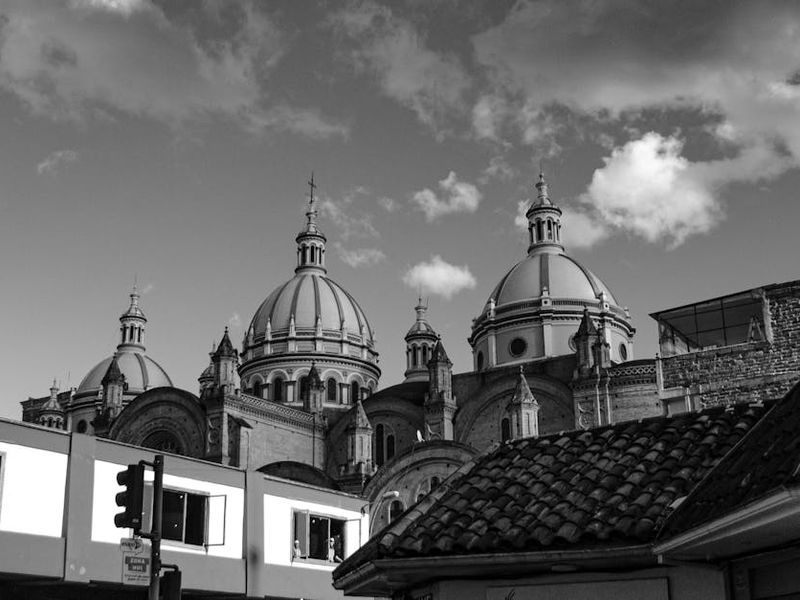
- Catedral Nueva: The New Cathedral’s iconic blue-tiled domes are visible from many viewpoints; climb Mirador de Turi for a panoramic sweep of the city.
- Museo Pumapungo and Museo del Banco Central: Learn about local archaeology, indigenous cultures and colonial history.
- Río Tomebamba walkways and Parque Calderón: Great for relaxed promenades and discovering artisan stalls.
Day Trips from Cuenca
El Cajas National Park (30–60 minutes by car) is a must for hikers: glacial lakes, páramo landscapes and well-marked trails. For artisanal crafts, head to Gualaceo and Chordeleg—Gualaceo for textiles and woven goods, Chordeleg for filigree silver jewelry.
Loja: Ecuador’s Music City and Nature Gateway
Loja is smaller and quieter than Cuenca but rich in cultural life. Known for its strong musical tradition and friendly plazas, the city also serves as the launching point for several cloud-forest reserves, including Podocarpus National Park. Music schools, theaters and small concert venues give Loja a lively, intellectual atmosphere.
What Makes Loja Special
- Live music scene: Frequent chamber concerts and traditional music gatherings—ask at tourist offices for event schedules.
- Access to Podocarpus National Park: A biodiverse reserve with orchids, birds and high-elevation cloud forest trails—excellent for birdwatching.
- Local markets and food: Vendors sell fresh fruit, traditional Ecuadorian dishes and artisan goods—great for trying regional specialties.
Nature & Adventure Around Loja
Podocarpus is a highlight for hikers and birders; guided eco-tours increase chances of spotting endemic species. Nearby waterfalls and small reserves provide opportunities for shorter day hikes and photography.
Vilcabamba: Rest, Wellness and Outdoor Simplicity
Vilcabamba is often marketed as the “Valley of Longevity” for the reportedly high number of long-living residents. Whether or not you buy into the longevity myths, the town’s mellow vibe, small cafes, organic markets and easy access to trails make it a restorative stop.
What to Do in Vilcabamba
- Hiking: Gentle and steeper trails lead to waterfalls, viewpoints and quiet farmsteads—ideal for day hikes or multi-day treks.
- Wellness culture: Yoga studios, massage therapists, and eco-lodges abound—perfect for travelers seeking relaxation.
- Local markets and cafés: Sample fresh tropical fruits, smoothies, homemade breads and small-plate local cooking.
Practical Vilcabamba Tips
Accommodations range from budget hostels to boutique eco-lodges. If you plan to stay longer as an expat or digital nomad, look for lodgings with reliable Wi-Fi and kitchen access—many long-term visitors enjoy farms and guesthouses outside town for quieter stays.
Where to Eat: Foods to Try and Food Safety
The highlands offer hearty, flavorful dishes. Cuenca and Loja are great places to try traditional Andean foods—mote (hominy), llapingachos (potato patties), hornado (roast pork) and cuy (guinea pig) for adventurous eaters. Vilcabamba specializes in fresh fruits, juices and farm-to-table options.
- Street food: Delicious and inexpensive—choose busy stalls with fast turnover to reduce risk.
- Tap water: In cities like Cuenca and Loja, many locals drink treated water, but travelers sometimes prefer bottled or filtered water—ask at your accommodation.
- Special diets: Vegetarian and vegan options are increasingly common, especially in Vilcabamba and Cuenca’s cafes.
Practicalities: Money, Connectivity, Language and Safety
Currency in Ecuador is the U.S. dollar. ATMs are plentiful in Cuenca and Loja; carry cash when visiting markets or small towns. SIM cards from providers such as Claro and Movistar are inexpensive and provide decent coverage in cities and main roads; coverage is patchier in remote valleys and cloud-forest trails.
- Language: Spanish is predominant. Learn basic phrases—locals appreciate the effort and it opens doors to deeper conversations.
- Tipping: Not mandatory but appreciated; 10% is common if service is not included.
- Safety: The southern highlands are relatively safe, but standard precautions apply—watch for petty theft in crowded markets, avoid flashing valuables, and carry photocopies of documents.
Health & Altitude Considerations
Acclimatize when moving between elevations. Cuenca’s elevation is moderate but can cause light symptoms such as headache or shortness of breath if you arrive from sea level—drink water, take it easy the first day, and avoid intense exertion for 24–48 hours.
- Medications: Bring prescriptions and basics like ibuprofen, rehydration salts, and any altitude medication advised by your doctor.
- Vaccinations: Routine vaccinations are recommended; consult a travel clinic for personalized advice.
- Travel insurance: Strongly recommended—seek policies covering evacuation for mountain regions and medical care.
Packing Checklist for the Southern Highlands
- Layered clothing: mornings and evenings are cool, afternoons can warm—think base layers, fleece and a light waterproof jacket.
- Comfortable walking shoes with good grip for cobbles and muddy trails.
- Sun protection: broad-spectrum sunscreen, sunglasses, and a hat—UV can be intense at altitude.
- Reusable water bottle with filter if you prefer not to buy plastic bottles.
- Spare batteries, power bank, and an adapter for electrical outlets (Ecuador uses type A/B, 120V).
Suggested 7–10 Day Itineraries
Here are two practical itineraries depending on pace—one relaxed, one active.
Relaxed (7–10 Days)
- Days 1–3: Arrive in Cuenca—historic center, museums, Plaza Calderón, local markets and a day trip to El Cajas.
- Days 4–5: Travel to Loja—explore city, attend a local concert, short nature walks near town.
- Days 6–8: Move on to Vilcabamba—rest days, light hikes, wellness treatments; return to Cuenca or continue to the coast.
Active & Nature-Focused (7–10 Days)
- Day 1: Arrive in Cuenca and acclimatize with a gentle city walk.
- Day 2: Full-day hike in El Cajas or canyon trekking near Cuenca.
- Day 3: Visit Gualaceo and Chordeleg for artisan workshops; overnight trip to Loja.
- Day 4: Hike in Podocarpus or a guided birding tour around Loja.
- Days 5–7: Vilcabamba for multi-day treks, waterfall visits and recovery with yoga or spa sessions.
Responsible Travel: How to Be a Better Visitor
Support community-based tourism by hiring local guides, buying directly from artisans, and staying in family-run guesthouses. Respect trails and wildlife—carry out trash, stay on marked paths, and avoid feeding animals. Water is precious in mountain ecosystems—use it sparingly and carry a refillable bottle.
Final Tips and Local Etiquette
Be friendly and patient—Ecuadorian hospitality is warm. A simple greeting in Spanish goes far. When entering shops or a small casa, a polite “buenos días/tardes” is customary. If you’re curious about expat life, Cuenca has organized expat meetups and international services if you plan an extended stay. Above all, leave room for spontaneous discoveries—some of the best experiences aren’t listed in guidebooks but happen at a market stall, a riverside café or a rural homestay.
Whether you come for museums and architecture, cloud-forest birding, or a slower pace at a valley retreat, Ecuador’s southern highlands combine accessibility with diverse experiences. With the right planning—attending to acclimatization, transport logistics, and sustainable practices—you’ll leave with vivid memories and maybe a few new favorite recipes, songs or trails.